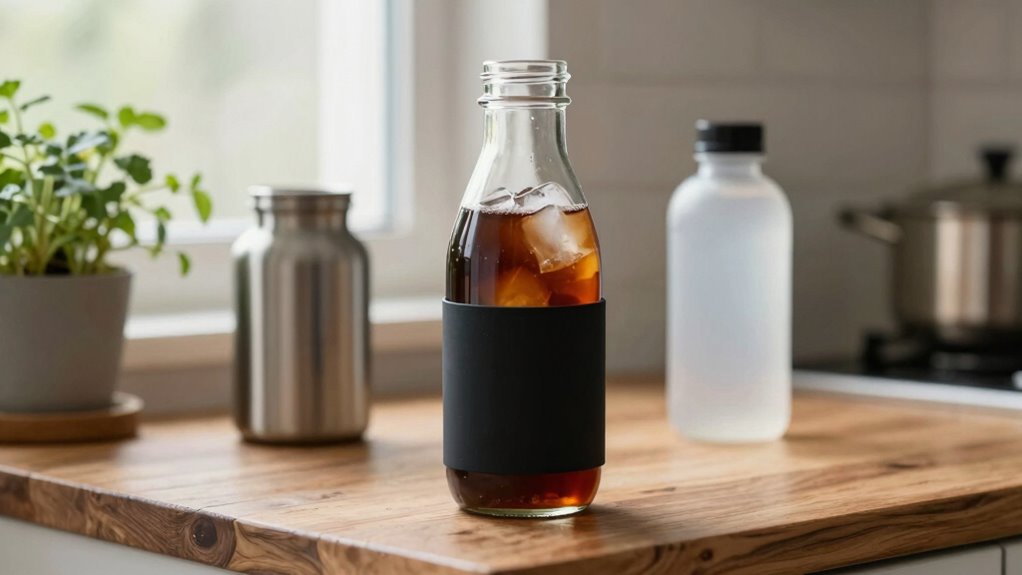

Choosing a reusable bottle for cold brew can be a sustainable upgrade, especially if you pick materials like stainless steel or silicone that prevent chemical leaching and are durable enough for daily use. Glass bottles maintain flavor without chemical concerns but are heavier and more fragile. Plastic options are convenient but may release harmful substances over time. Considering safety, durability, and your lifestyle will help you make the best choice—continue on to learn more about your options.
Prime for Young Adults — start your free trial
Fast free delivery, streaming and member deals for eligible 18–24 year olds.
As an affiliate, we earn on qualifying purchases.
Key Takeaways
- Glass bottles preserve flavor and avoid chemical leaching but are fragile and less portable.
- Stainless steel and silicone options are durable, lightweight, and eco-friendly, ideal for on-the-go use.
- Plastic bottles are common but may release harmful substances over time, reducing sustainability benefits.
- Reinforced or shatter-resistant glass enhances durability, balancing safety with environmental benefits.
- Overall, reusable bottles support sustainability, but material choice impacts practicality and long-term use.
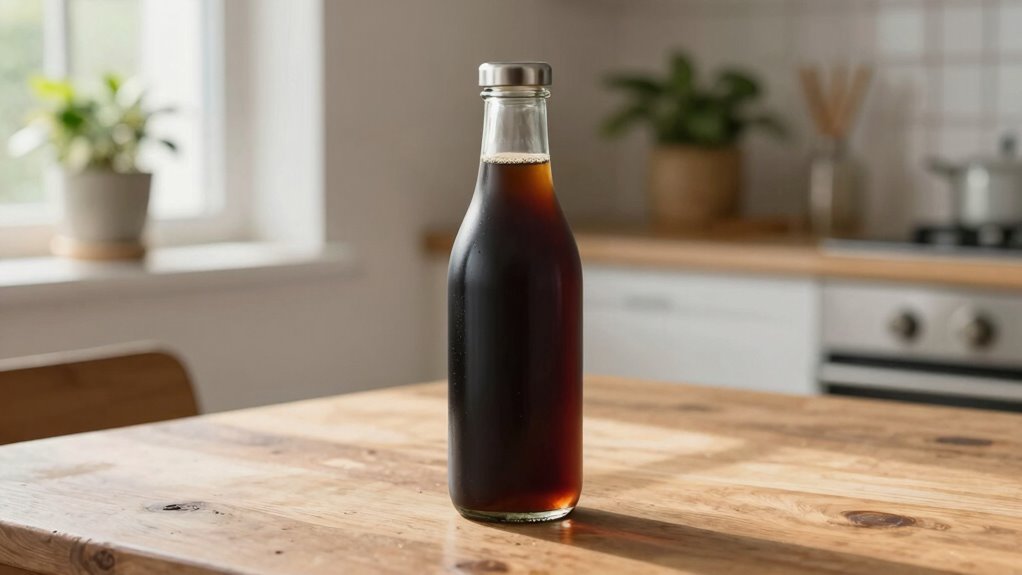
If you’re a cold brew enthusiast, investing in reusable bottles for storage can keep your coffee fresh and eco-friendly. But before you pick just any container, it’s worth considering the materials involved. Many people think of plastic bottles first, but these aren’t the only options. Today, you’ll find a variety of plastic alternatives that can serve as sustainable, safe, and durable choices for your cold brew. These alternatives often include stainless steel or silicone, which don’t leach chemicals or flavors into your coffee like some plastics can. Choosing these options helps preserve the pure taste of your cold brew while reducing environmental impact.
Reusable bottles in stainless steel or silicone keep cold brew fresh and eco-friendly while avoiding harmful chemicals.
Glass bottles are another popular choice, and for good reason. When it comes to glass durability, these bottles are built to last with proper care. Unlike plastics that can stain, retain odors, or degrade over time, glass maintains its clarity and integrity. This means your cold brew stays tasting fresh, and your bottle remains free of unwanted flavors or chemical residues. Glass also doesn’t contain harmful substances like BPA, making it a safer option for your health and the environment. Plus, many glass bottles are designed with thick walls and reinforced bases for added durability, so they won’t shatter easily if dropped—though it’s always wise to handle them carefully. Many brands now produce shatter-resistant or reinforced glass bottles, blending durability with safety, which is especially important in everyday use.
That said, glass isn’t completely without drawbacks. It’s heavier than plastic or metal, which might be inconvenient if you want a lightweight, portable option. Also, despite their durability, glass bottles can break if dropped on a hard surface. However, many brands now produce shatter-resistant or reinforced glass bottles, blending durability with safety. These bottles often feature silicone sleeves or grips that absorb shocks, protecting the glass and making them more practical for daily use. Understanding material safety is crucial because certain plastics can leach chemicals, especially when exposed to heat or prolonged use. Additionally, being aware of the environmental impact of different materials can help guide more sustainable choices.
In the end, whether you lean toward plastic alternatives or opt for glass durability depends on your priorities. If you want something lightweight, unbreakable, and easy to carry around, a high-quality stainless steel bottle might be your best bet. But if you’re after a material that won’t impact the flavor of your cold brew and offers a long-lasting, non-chemical option, glass is hard to beat—especially with modern, durable designs. Either way, upgrading to a reusable bottle is a smart move for both your coffee routine and the planet. Incorporating sustainable materials into your choice can further enhance your eco-friendly efforts.
stainless steel cold brew bottle
As an affiliate, we earn on qualifying purchases.
As an affiliate, we earn on qualifying purchases.
Frequently Asked Questions
How Long Can Cold Brew Stay Fresh in a Reusable Bottle?
You can typically keep cold brew fresh in a reusable bottle for up to 24 to 48 hours. To preserve flavor, make sure you fill the bottle completely to minimize air exposure, which can cause spoilage. Regularly cleaning the bottle with hot water and mild soap prevents bacteria buildup and maintains taste. Proper storage in the fridge also helps extend freshness, making your cold brew last longer without losing its rich flavor.
Are Reusable Bottles Safe for Hot Liquids?
You’re wise to question reusable bottles for hot liquids, as about 40% of plastic concerns relate to chemical leaching. Reusable bottles made from durable materials like stainless steel or glass are safer for hot drinks, reducing risks of chemical transfer. These materials withstand high temperatures better and pose fewer health risks, unlike some plastics that may degrade or release harmful substances when exposed to heat. Always check your bottle’s material to verify safety.
Do Reusable Bottles Affect Cold Brew Flavor Over Time?
Reusable bottles can affect cold brew flavor over time, especially if the bottle material isn’t ideal. You might notice flavor changes or dullness after multiple uses. To preserve flavor, choose bottles made from non-porous materials like glass or stainless steel, which don’t absorb odors or flavors. Proper cleaning and occasional deep cleaning help maintain flavor preservation and guarantee your cold brew stays fresh and flavorful.
What Is the Best Material for Cold Brew Storage Bottles?
You should choose glass for cold brew storage bottles because it offers excellent material durability and doesn’t affect flavor over time. Glass also has a sleek, aesthetic appeal that complements any kitchen decor. It’s easy to clean, doesn’t stain or absorb odors, and keeps your cold brew tasting fresh. While stainless steel is durable, glass provides a clearer view and maintains the purest flavor, making it the best choice overall.
How Do Reusable Bottles Impact Overall Environmental Sustainability?
You can substantially boost environmental sustainability by using reusable bottles, as they reduce waste and promote recycling benefits. For example, a coffee shop switching to reusable bottles cuts down on single-use plastics, decreasing manufacturing impact and landfill waste. This shift encourages eco-friendly practices, minimizes resource consumption, and supports a circular economy. Overall, opting for reusable bottles helps lessen environmental harm and fosters a more sustainable lifestyle.
Conclusion
Ultimately, reusable bottles for cold brew storage offer a sustainable upgrade by reducing waste and cutting costs over time. They serve as a visual reminder of your commitment to eco-friendly choices, making it easier to stick with your habits. While they may require regular cleaning, their durability and environmental benefits outweigh the drawbacks. Embrace reusable bottles, and you’ll see how small changes can lead to a significant positive impact on both your routine and the planet.
NFL season / tailgating Picks
team gear
As an affiliate, we earn on qualifying purchases.