
You can explore how coffee byproducts like cascara and parchment are turning into valuable resources for sustainability. Cascara is now used for teas and infusions, while parchment is being repurposed for composting or creating eco-friendly packaging. Innovative applications like biofuels and building materials are emerging, showcasing a circular economy approach. If you want to understand how these waste parts are transforming into eco-friendly products, there’s more fascinating information ahead.

Get coffee and tea gear delivered free with Prime
- Fast, free delivery on millions of items
- Prime Video, Amazon Music and more included
- Member-only deals all year
Key Takeaways
- Cascara and parchment are valuable coffee byproducts now repurposed for teas, composting, and sustainable materials.
- Innovations turn coffee husks, grounds, and residues into biofuels, packaging, and building materials, promoting circular economy.
- Waste reduction practices include composting, upcycling, and developing efficient recycling methods for parchment and other byproducts.
- Supporting sustainable brands encourages industry adoption of byproduct reuse, reducing environmental impact.
- Future trends focus on advanced recycling and upcycling to transform coffee waste into useful, eco-friendly products.
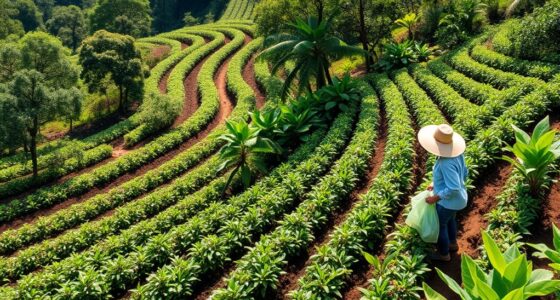
When you enjoy a cup of coffee, you’re actually leaving behind more than just a caffeine boost; you’re also generating various byproducts. These byproducts, like cascara and parchment, are often overlooked but hold significant potential for sustainable farming and waste reduction. Instead of seeing them as waste, many coffee producers now recognize their value and find innovative ways to repurpose them. This shift helps reduce environmental impact and promotes more sustainable practices within the industry.
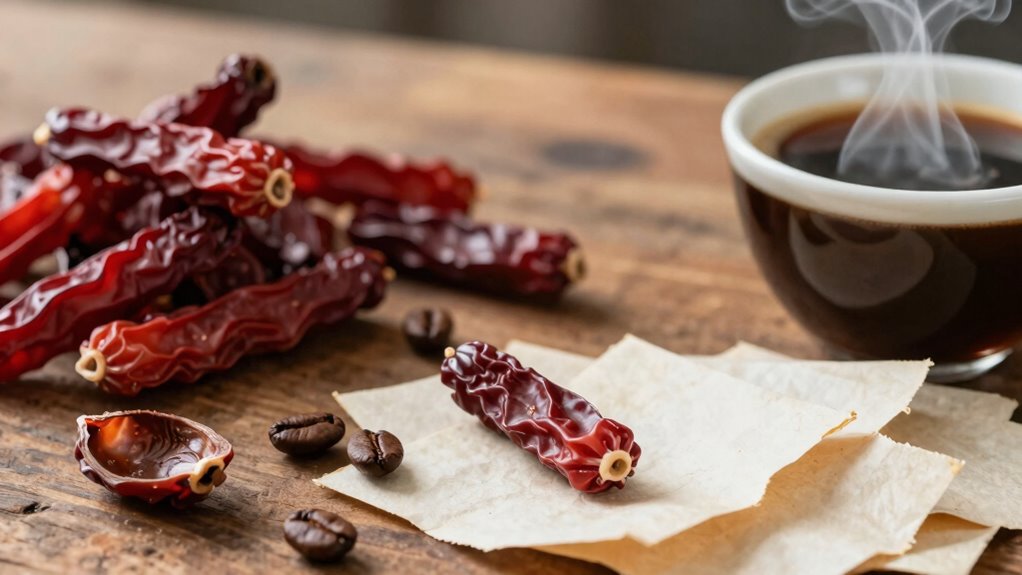
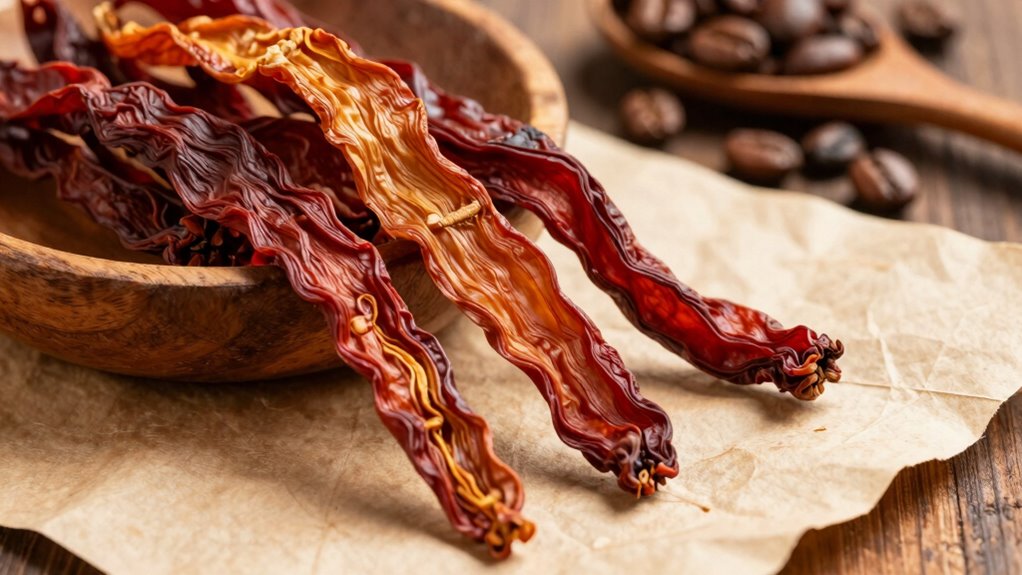
Cascara, the dried skins of coffee cherries, is one such byproduct gaining popularity. Traditionally discarded after harvesting, cascara can be used to make tea or infusions, offering a new revenue stream for farmers and a unique flavor profile for consumers. By utilizing cascara, farms reduce waste and extend the lifecycle of coffee cherries, aligning with sustainable farming principles. Sustainable farming practices are becoming more prominent as industry stakeholders recognize the benefits of upcycling coffee byproducts. Instead of letting this part of the harvest go to waste, farmers can turn it into a profitable product, cutting down on unnecessary disposal and minimizing environmental harm.
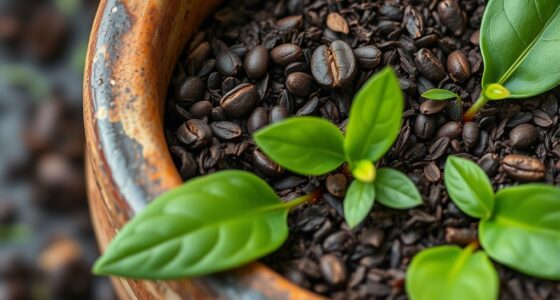
Similarly, parchment—the thin layer surrounding the coffee bean—has historically been discarded or burned, contributing to waste and pollution. Today, some producers are finding ways to reuse parchment in composting or as a raw material for paper production. These practices not only cut down on waste but also support waste reduction initiatives that aim to lessen the carbon footprint of coffee processing. Incorporating waste reduction techniques into processing methods further enhances sustainability and resourcefulness. Additionally, innovative waste-to-resource methods are being developed to transform coffee byproducts into useful materials, broadening the scope of sustainable applications. As research advances, more efficient recycling methods are emerging, unlocking even greater potential for sustainable transformation.
When you support brands that prioritize these environmentally friendly methods, you’re helping to promote a more sustainable industry that values waste reduction and resourcefulness. What comes next in the world of coffee byproducts involves innovative recycling and upcycling techniques. Researchers and entrepreneurs are exploring ways to convert coffee husks, grounds, and other residues into biofuels, biodegradable packaging, or even building materials. These initiatives showcase how the industry can turn what was once considered waste into valuable resources, fostering a circular economy. Additionally, innovative recycling methods are paving the way for even more sustainable solutions, further transforming waste into useful products.
In essence, your coffee habits can influence the industry to adopt more sustainable practices. When you opt for brands that utilize coffee byproducts responsibly, you’re supporting efforts that reduce waste, promote sustainable farming, and encourage innovation. Each cup becomes more than just a morning ritual; it becomes part of a broader effort to create a more environmentally conscious and resource-efficient coffee culture.
As an affiliate, we earn on qualifying purchases.
Frequently Asked Questions
How Is Cascara Sustainably Harvested and Processed?
You can harvest cascara sustainably by using careful harvesting techniques that avoid damaging the coffee plants, ensuring future yields. Processing methods like sun-drying or low-temperature dehydration preserve the cascara’s quality while minimizing energy use. By choosing eco-friendly processing and supporting farmers who prioritize sustainability, you help reduce waste and promote environmentally responsible practices, keeping the coffee ecosystem healthy for generations to come.
Are Coffee Byproducts Safe for Human Consumption?
Yes, coffee byproducts like cascara are safe for human consumption when properly processed and certified organic. You can enjoy them for flavor enhancement, as they often add unique, fruity notes to beverages. Always look for organic certification to guarantee the product meets safety standards and free from harmful chemicals. When sourced responsibly, these byproducts offer a sustainable, delicious way to explore new flavors while supporting eco-friendly practices.
What Innovative Uses Are Emerging for Coffee Parchment?
Coffee parchment recycling is sparking innovative uses, transforming what was once waste into valuable resources. You might find it in parchment fiber applications, where it’s turned into biodegradable packaging or eco-friendly paper products. Think of it as giving coffee’s leftover skin a second life, like a phoenix rising. These new uses help reduce waste and promote sustainability, turning coffee’s byproducts into eco-conscious solutions you can feel good about using every day.
How Do Byproducts Impact the Coffee Supply Chain?
Byproducts like cascara and parchment considerably influence the coffee supply chain by reducing waste and promoting sustainability. You can see their environmental impact in decreased landfill use and pollution. Economically, they create new revenue streams for farmers and processors, turning waste into valuable products. This integration fosters a more resilient, eco-friendly supply chain, benefiting everyone involved while helping to address environmental concerns and boosting local economies.
What Are Future Trends in Coffee Byproduct Utilization?
You’ll see future trends in coffee byproduct utilization focus on reducing environmental impact and opening new market opportunities. As sustainability gains importance, expect innovations like turning cascara into functional foods or extracting valuable compounds from parchment for eco-friendly packaging. These efforts not only cut waste but also create revenue streams, helping coffee producers meet eco-conscious consumer demands while expanding their market reach.
Conclusion
By exploring coffee byproducts like cascara and parchment, you open opportunities to reduce waste and create new, sustainable products. Embrace innovation and see challenges as chances to grow—remember, every cloud has a silver lining. As you venture into this world, know that your efforts can make a difference. With each step, you’re helping to turn what was once discarded into valuable resources, proving that where there’s a will, there’s a way.
Fall Picks
fall essentials
As an affiliate, we earn on qualifying purchases.