TL;DR

Get coffee and tea gear delivered free with Prime
- Fast, free delivery on millions of items
- Prime Video, Amazon Music and more included
- Member-only deals all year
The Kitchn’s Celia Funderburk tested a flourless chocolate cake recipe that blends a can of black beans into the batter. She reported that the cake was moist and fudgy, with no noticeable bean taste, though it rose less than she expected.
The Kitchn’s Celia Funderburk has reviewed a flourless chocolate cake recipe that uses a can of black beans in the batter, reporting that her cake turned out moist and fudgy without an obvious bean flavor. The review offers a tested approach for home bakers seeking a flourless dessert, but Funderburk also said the cake did not rise much and sank further as it baked.
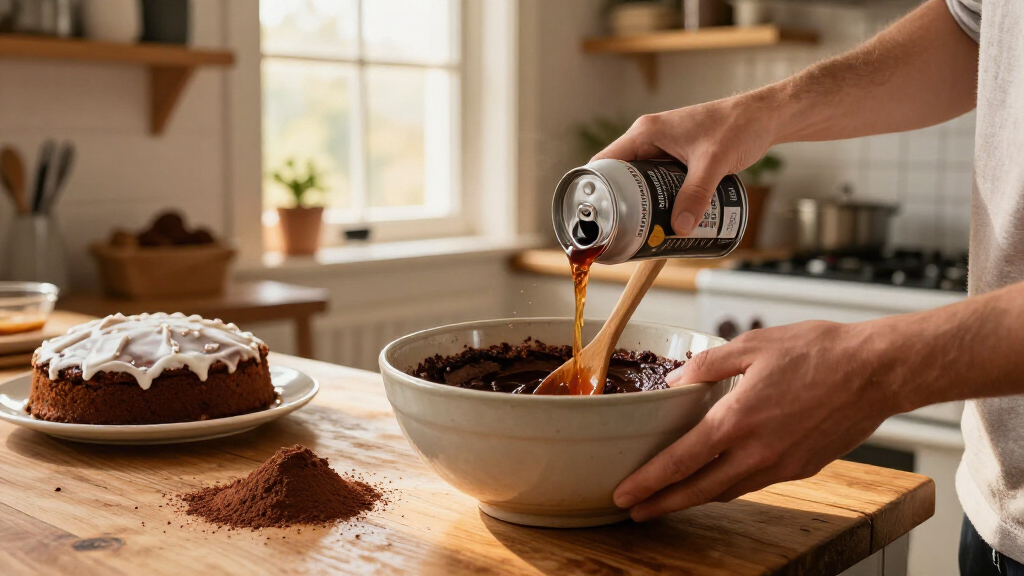
For the recipe, Funderburk blended black beans, sugar, melted butter, eggs and vanilla until smooth, then added cocoa powder, baking powder and baking soda. She poured the batter into greased cake pans and baked it at 350°F for about 30 minutes. The source does not specify the number or size of the pans, or give a recipe yield.
Funderburk said the baked cake had a dense, sponge-like texture and a rich chocolate flavor. She wrote that she could not taste the beans, attributing that to the cocoa and sugar. In her assessment, the blended beans helped give the cake its texture; that is her interpretation of the recipe rather than a separately established finding.
The reviewer compared the recipe’s four eggs with six eggs in a flourless chocolate cake recipe from The Kitchn, suggesting the beans may take the place of some ingredients used for structure. She said the cake was difficult to divide horizontally for stacking because it stayed low and lost additional height while baking. Funderburk also felt it was moist enough that it did not need icing.
A Flourless Cake With Pantry Beans
The recipe may interest gluten-free home bakers who want to make a chocolate dessert without buying specialty flour. It also offers a way to use canned beans in a sweet dish, though the review is one person’s kitchen test and does not establish how consistently the cake will turn out across different ovens, pans or brands of ingredients.
The trade-off described in the review is texture versus height: Funderburk praised the cake’s moist, fudgy crumb, but found it less suitable for a tall layered presentation. Bakers following the recipe may prefer to serve it as a single-layer cake or plan for a shorter result, rather than assume it will stack neatly.
Beans provide protein and fiber, and Funderburk noted those nutrients as a feature of the cake. That does not make the dessert a nutritionally equivalent replacement for other foods; the supplied report gives no nutrition analysis, ingredient quantities or serving sizes with which to assess the cake as a whole.
As an affiliate, we earn on qualifying purchases.
How the Bean-Based Batter Works
The review was prompted by a flourless chocolate cake recipe from The Pancake Princess, which Funderburk said she found surprising because it included a full can of beans. She had previously enjoyed flourless chocolate tortes but had not tried making one herself. Her article describes the result of her own attempt, not a controlled comparison with a traditional cake or other flourless recipes.
In this recipe, the beans are blended into the batter rather than left whole. That step produces a smooth mixture before the cocoa and leavening agents are added. Funderburk’s account says the finished cake did not taste of beans, but readers’ results may vary depending on how thoroughly they blend the mixture and on the ingredients they use.
The recipe is described as flourless, not necessarily free of every possible allergen. It contains eggs and butter, and the source does not provide substitutions or a full allergen statement. Anyone baking for someone with allergies should check every ingredient and avoid cross-contact with allergens.
“No, you cannot taste the beans.”
— Celia Funderburk, The Kitchn
Recipe Results May Vary
The supplied report does not include the full ingredient quantities, exact can size, pan dimensions, or detailed baking tests, so readers cannot reproduce every detail from the excerpt alone. It also does not explain why Funderburk’s cake sank, or whether the result came from the recipe, her equipment, mixing or another factor.
The review reflects one baker’s experience. Its claims about taste and texture are personal observations, not a guarantee that every batch will have no detectable bean flavor or the same moist crumb. The source also provides no nutritional breakdown to support a precise comparison with conventional cake.
Check the Full Recipe Before Baking
Readers who want to try the cake will need the complete recipe from its original source, The Pancake Princess, for ingredient amounts and pan instructions; those details are not included in the supplied report. The Kitchn review’s method indicates blending the beans and wet ingredients until smooth, adding the dry ingredients, and baking at 350°F for roughly half an hour, but timing can vary by oven and pan.
Before serving, let the cake cool as directed by the full recipe and check that it is cooked through. Because the batter contains eggs and butter, handle and store it as a perishable baked good: refrigerate leftovers promptly rather than leaving them at room temperature for extended periods. Future reader tests or a more detailed recipe review could clarify how the cake’s rise and texture vary, but no such follow-up is specified in the supplied source.
Key Questions
What is the unusual ingredient in the chocolate cake?
The recipe blends a can of black beans into the batter. The beans are mixed until smooth with sugar, melted butter, eggs and vanilla before cocoa and leavening are added.
Does the cake taste like black beans?
Celia Funderburk of The Kitchn said she could not taste the beans in her batch, which she described as chocolatey, moist and fudgy. That is her report of one test, not a guarantee for every baker.
Is the cake suitable for gluten-free bakers?
The recipe is described as flourless, which may make it an option for some people avoiding gluten. The supplied material does not include a full ingredient or cross-contact statement, so check the complete recipe and product labels if baking for someone with celiac disease or a gluten allergy.
Why might the cake be hard to stack?
Funderburk said her cake did not rise much and sank further during baking, leaving it difficult to slice horizontally. The source does not identify a cause or confirm whether other bakers had the same result.
What allergens does the reported recipe contain?
The described ingredients include eggs and butter, which contain common allergens. The excerpt does not list every ingredient or possible cross-contact risk, so review the complete recipe and labels before serving it to someone with allergies.
Source: rss
Fall Picks
fall essentials
As an affiliate, we earn on qualifying purchases.