If your De’Longhi espresso machine is leaking water, it can be frustrating and disrupt your morning routine. Leaks often indicate a problem with internal components, seals, or water filters. Fortunately, most water leaks are fixable with some basic troubleshooting and maintenance. In this guide, we’ll walk you through the essential steps to identify and resolve common causes of water leakage in your De’Longhi Magnifica Evo and similar models, ensuring your machine works smoothly again.
Before diving into repairs, always unplug your machine and allow it to cool down to avoid any risk of electric shock or burns. Having the right tools and replacement parts ready will make the process easier and safer.
Key Takeaways
| Identify the leak source | Locating where water is leaking helps determine the cause. |
| Check seals and gaskets | Worn or damaged seals are common culprits. |
| Inspect water filters | Clogged or improperly installed filters can cause leaks. |
| Clean and descale regularly | Mineral buildup can lead to internal leaks. |
| Replace faulty parts promptly | Timely replacement prevents further damage. |

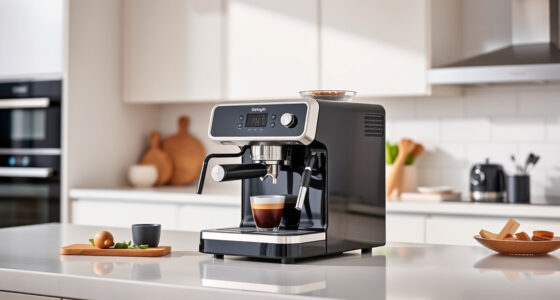
De'Longhi Magnifica Evo Next Automatic Espresso Machine, Frother, Silver
- Top-Rated US Espresso Machine: Number one super automatic espresso maker in the US
- 13 One-Touch Recipes: Enjoy a variety of drinks at the touch of a button
- Built-In Conical Burr Grinder: 13 grind settings for optimal bean preparation
As an affiliate, we earn on qualifying purchases.
Step 1: Unplug and Prepare Your Machine
Before starting any troubleshooting, ensure your De’Longhi espresso machine is unplugged and cooled down. Remove any water containers, drip trays, or removable parts. This prevents accidental spills or electrical hazards during inspection. Have a clean cloth ready to wipe up any water leaks, and gather tools like a screwdriver, replacement seals, and water filters if needed.
Step 2: Identify the Leak Source
- Check the drip tray and water containers for overflowing or cracks.
- Inspect the area around the water reservoir for signs of water dripping or pooling.
- Look at the brew head, steam wand, and internal tubing for any visible leaks or moisture.
- Examine seals and gaskets around the water reservoir and internal components for wear or damage.
Knowing exactly where the water leaks from helps you target the specific cause, whether it’s a seal failure, cracked container, or clogged internal part.
Step 3: Inspect and Replace Seals and Gaskets
Worn or damaged seals and gaskets are common reasons for water leaks in espresso machines. Carefully remove the water reservoir and inspect the seals around the edges. Look for cracks, deformation, or mineral buildup that may prevent a proper seal.
If you find any damage, replace the seals with genuine De’Longhi replacement parts. This step often resolves leaks originating from the water reservoir connection or internal water pathways.
Step 4: Check and Replace the Water Filter
If your machine is equipped with a water filter, such as the De’Longhi Replacement Water Filter (asin=B00CXQ9GQ8), ensure it is correctly installed and not clogged. A clogged or improperly fitted filter can cause water to leak or spill during operation. Remove the filter, rinse or replace it if necessary, and ensure it fits snugly into the water reservoir.
Regularly replacing the water filter helps maintain water quality and prevents internal blockages that can lead to leaks.
Step 5: Clean and Descale Your Machine
Mineral deposits from hard water can cause internal blockages and leaks. Use a descaling solution like the De’Longhi EcoDecalk Descaler (asin=B0021IOTTW or B008YETL18), following the manufacturer’s instructions. Regular descaling (every 2-3 months) keeps internal pipes clear and prevents leaks caused by mineral buildup.
Ensure you run a full descaling cycle and rinse your machine thoroughly afterward to remove any residue.
Additional Tips & Warnings
- Always unplug the machine before inspecting or replacing parts.
- Use only genuine De’Longhi replacement parts to ensure proper fit and function.
- Handle internal components carefully to avoid damage.
- If the leak persists after replacing seals and cleaning, consult a professional technician or contact De’Longhi customer support.
The Products in This Guide
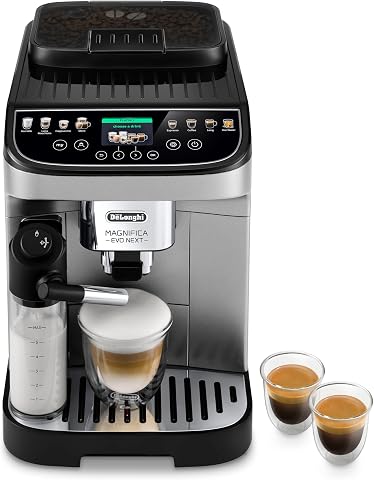
De’Longhi Magnifica Evo Next Fully Automatic Espresso Ma
- ✔ Power: 1450W
- ✔ Capacity: 1.8L
- ✔ Dimensions: 10.4 x 15.4 x 14.1 inches

De’Longhi Replacement Water Filter
- ✔ Compatibility: Select models
- ✔ Material: Activated carbon
- ✔ Replacement Cycle: Every 2-3 months
De’Longhi Magnifica Evo Next Fully Automatic Espresso Ma
The De’Longhi Magnifica Evo Next is a highly rated super automatic espresso maker that combines convenience with advanced features like a built-in grinder and LatteCrema milk system. It’s designed for ease of use and customization, making it a top choice for home baristas.
Pros:
- Programmable with 13 recipes
- Built-in conical burr grinder
- Automatic milk frothing
- Supports hot & cold beverages
Cons:
- Can be complex to troubleshoot for beginners
- Requires regular descaling
- Water reservoir can leak if not sealed properly
Best for: Home users seeking an all-in-one espresso solution
Not ideal for: Users wanting a simple manual espresso machine
Bottom line: A versatile and user-friendly espresso machine with reliable performance.
De’Longhi Replacement Water Filter
Replacing your water filter regularly ensures better water quality and prevents mineral buildup that can cause leaks. The De’Longhi Replacement Water Filter is designed specifically for select models, helping maintain your machine’s efficiency and longevity.
Pros:
- Improves water taste
- Prevents lime scale
- Easy to install
- Extends machine life
Cons:
- Needs replacement every 2-3 months
- Additional cost over time
- Must ensure compatibility
Best for: Maintaining water quality and preventing leaks
Not ideal for: If your machine doesn’t support this filter
Bottom line: A simple upgrade that significantly improves water quality and machine durability.
Frequently Asked Questions
Why is my De’Longhi espresso machine leaking water?
Leaks can result from worn seals, a clogged water filter, mineral buildup, or cracked internal components. Proper inspection and maintenance usually resolve the issue.
How often should I descale my De’Longhi espresso machine?
It’s recommended to descale every 2-3 months, especially if you use hard water, to prevent mineral buildup that can cause leaks and performance issues.
Can I fix water leaks myself?
Yes, many leaks are fixable by inspecting seals, replacing filters, and descaling. However, for internal damage, consulting a professional is advised.
What parts should I replace if my machine leaks?
Check and replace worn or damaged seals, gaskets, or the water filter. If internal pipes are cracked, professional repair may be necessary.
Is it safe to continue using my machine if it leaks water?
No, continuous leaks can cause electrical issues or damage. Unplug the machine and perform troubleshooting or repairs promptly.
Ensuring Your De’Longhi Performs Flawlessly
Water leaks in your De’Longhi espresso machine are manageable with proper inspection, maintenance, and timely replacement of worn parts. Regularly checking seals, cleaning, and descale routines will prolong your machine’s life and keep your coffee tasting its best. If issues persist despite these steps, professional servicing may be the best course. With a little care, your espresso machine can deliver delicious drinks for years to come.
Affiliate disclosure: As an Amazon Associate we earn from qualifying purchases. Prices and availability are accurate as of the time of publishing.