Using an all-purpose grind setting often fails because different brewing methods need specific particle sizes for the best extraction. If you try to use one grind for espresso, French press, and drip coffee, you’ll likely get inconsistent flavor and weak or over-extracted brews. Small changes in grind size make a big difference in taste and strength. To improve your coffee, understanding these differences is key—stick around, and you’ll discover how to optimize your grind for each method.
Key Takeaways
- All-purpose grind settings cannot match the specific particle sizes needed for different brewing methods.
- Uniform settings lead to inconsistent extraction, affecting flavor and cup quality.
- Small adjustments in grind size significantly influence brewing time and taste.
- Tailoring grind size to each method improves flavor clarity and extraction control.
- Relying on one setting sacrifices brew consistency and limits the ability to optimize flavor.
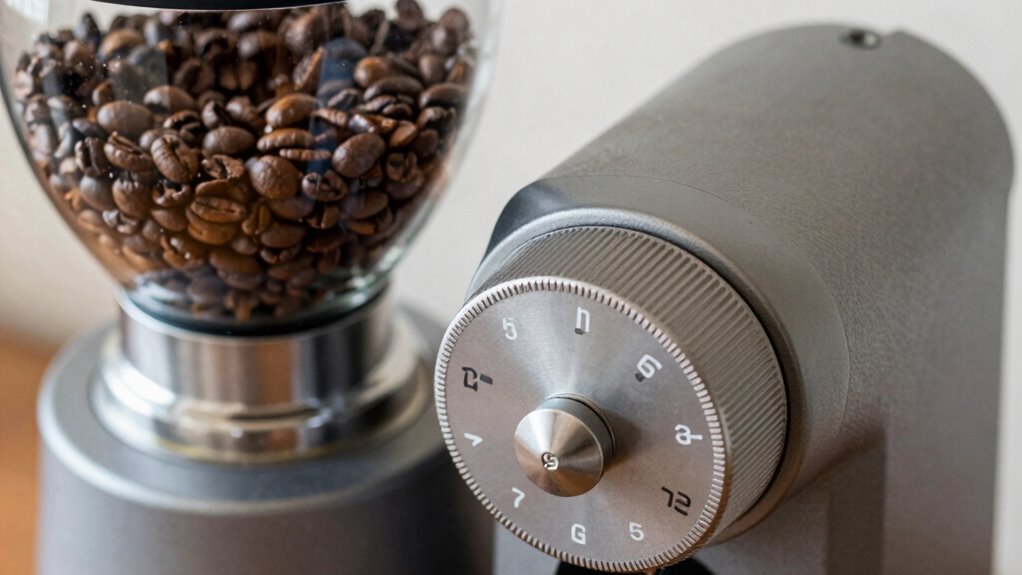
Ever wondered how to get the perfect grind for your brewing method? It’s a question many coffee enthusiasts ask, and the answer often lies in understanding that “all-purpose” grind settings rarely hit the mark. While the idea of one grind size working for everything sounds convenient, it’s actually a recipe for inconsistent results. The truth is, brew consistency depends heavily on selecting the right grind size for your specific brewing method, and a one-size-fits-all approach tends to create grind size variability, which directly impacts flavor and extraction. When you use an all-purpose setting, you might find that your coffee’s strength and clarity fluctuate from cup to cup, making it frustrating to dial in the perfect brew.
All-purpose grind settings lead to inconsistent flavor and extraction; tailor your grind for each brewing method.
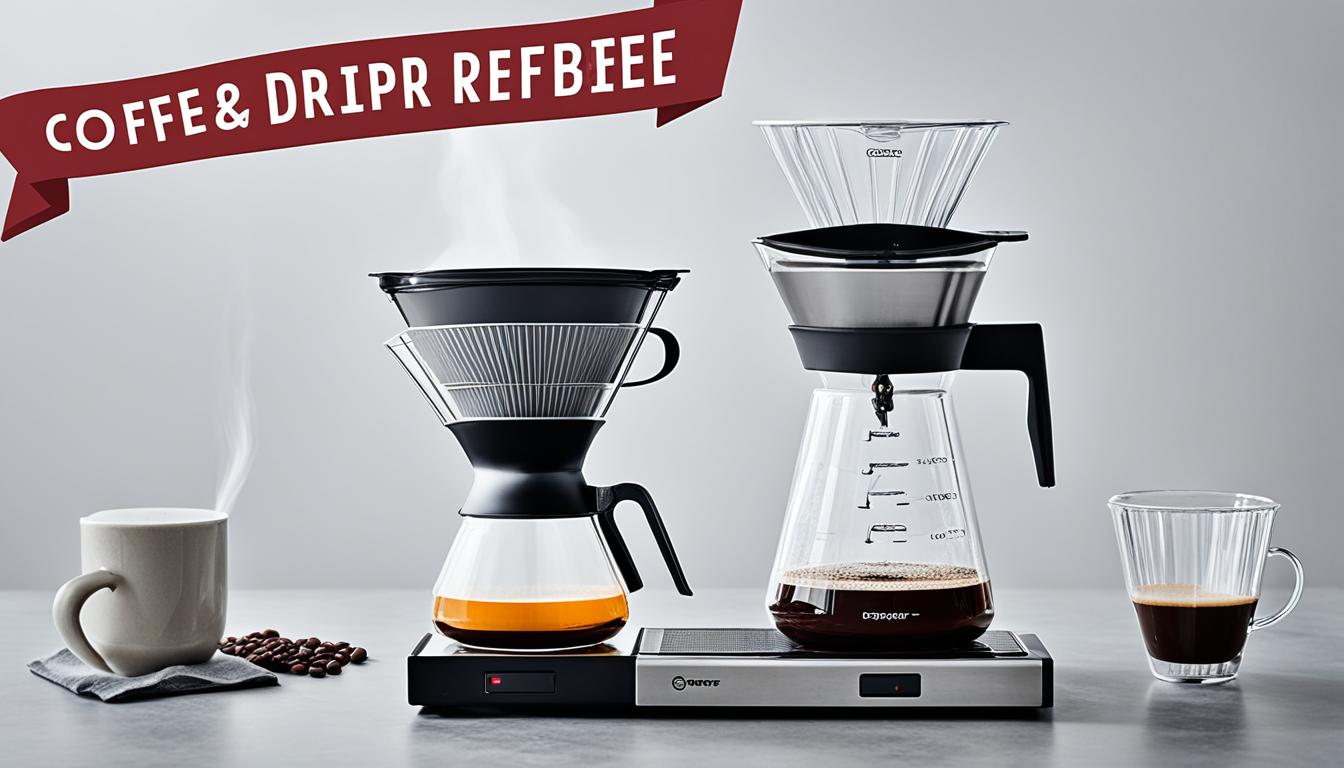
The core issue with all-purpose grind settings is that they attempt to serve multiple brewing methods with a single grind size, but each method demands a unique particle size for ideal extraction. For example, espresso needs a fine grind to maximize surface area and extraction speed, while French press requires a much coarser grind to prevent over-extraction and sediment. When you rely on a universal setting, you’re sacrificing brew consistency. You’ll notice that the grind size varies slightly with each grind, even if you’re using the same machine or adjustment, resulting in inconsistent coffee flavor. This grind size variability hampers your ability to replicate a perfect cup because small differences in grind size can dramatically alter extraction times and flavor profiles.
Trying to compromise with an all-purpose setting means accepting some level of inconsistency. You might find a grind that’s somewhat acceptable for multiple brewing styles, but it’s unlikely to be ideal for any single method. Instead of aiming for perfection every time, you should consider adjusting your grind based on your brewing method, coffee bean type, and personal taste. If you’re using a burr grinder, take the time to fine-tune the setting for each brew. This targeted adjustment enhances brew consistency and minimizes grind size variability, delivering a more satisfying and predictable cup. It’s a small effort that makes a big difference in flavor clarity and overall coffee experience.
Additionally, understanding the importance of consistent grind size can help you troubleshoot and improve your brewing process more effectively. Ultimately, the key to great coffee isn’t sticking to a single all-purpose grind but understanding that each brewing method benefits from its own ideal particle size. While it might require a bit more setup time, tailoring your grind settings ensures you get the most from your beans and consistently enjoy rich, balanced coffee. Embracing this approach helps you move beyond the limitations of all-purpose settings, leading to better brew consistency and a more enjoyable coffee ritual.
Frequently Asked Questions
Can I Use an All-Purpose Grind for Espresso?
You can use an all-purpose grind for espresso, but it often isn’t ideal because it may lack the grind consistency needed for perfect extraction. Fresh coffee beans greatly influence flavor, so using stale beans can worsen results. For the best espresso, opt for a grind specifically designed for espresso machines, which ensures you get the right extraction and flavor. Adjusting your grind based on your machine’s performance can also help.
How Often Should I Adjust My Grind Size?
You should adjust your grind size whenever you notice inconsistencies in your brew—maybe the shot pulls too fast or too slow. Keep in mind, grind consistency and equipment calibration are key; even small changes can make a big difference. Check your equipment regularly, and don’t hesitate to tweak your grind slightly each time to find that perfect balance. Regular adjustments guarantee your coffee remains consistently excellent, every single time.
Is a Burr Grinder Better Than a Blade Grinder?
A burr grinder is better than a blade grinder because it offers consistent grind size and better burr consistency, which improves your coffee flavor. Burr grinders also generate less blade heat, preserving the beans’ aromatics. Blade grinders tend to produce uneven grounds and can heat the beans, affecting taste. For a more precise and flavorful brew, investing in a burr grinder is the smarter choice.
What’s the Best Way to Store Coffee Beans?
Store coffee beans securely in an airtight container away from sunlight, heat, and humidity. Proper coffee storage prevents stale flavors and preserves freshness, so you can savor every sip. Keep beans in a cool, dark place to maximize freshness preservation. Avoid the fridge or freezer for daily use, as moisture can sneak in. By controlling your coffee’s environment, you guarantee each brew bursts with vibrant, fresh flavor.
How Does Grind Size Affect Brewing Time?
Grind size directly impacts brew time variability, so smaller particles speed up extraction, while larger ones slow it down. When your grind size is inconsistent, brew times become unpredictable, affecting flavor. To get the best results, aim for uniform grind size, which helps maintain steady brew times and consistent flavor. Adjust your grind based on your brewing method, ensuring it’s fine enough for quick extraction but not so fine that it clogs your equipment.
Conclusion
While “all-purpose” grind settings seem convenient, they often fall short—about 70% of coffee enthusiasts report inconsistent results using them. That’s because different brewing methods demand specific grind sizes to release the best flavors. Instead of settling for a one-size-fits-all approach, consider a compromise: adjust your grind slightly for your method. This small tweak can dramatically improve your coffee’s taste, transforming a mediocre cup into a flavorful experience you’ll actually enjoy.