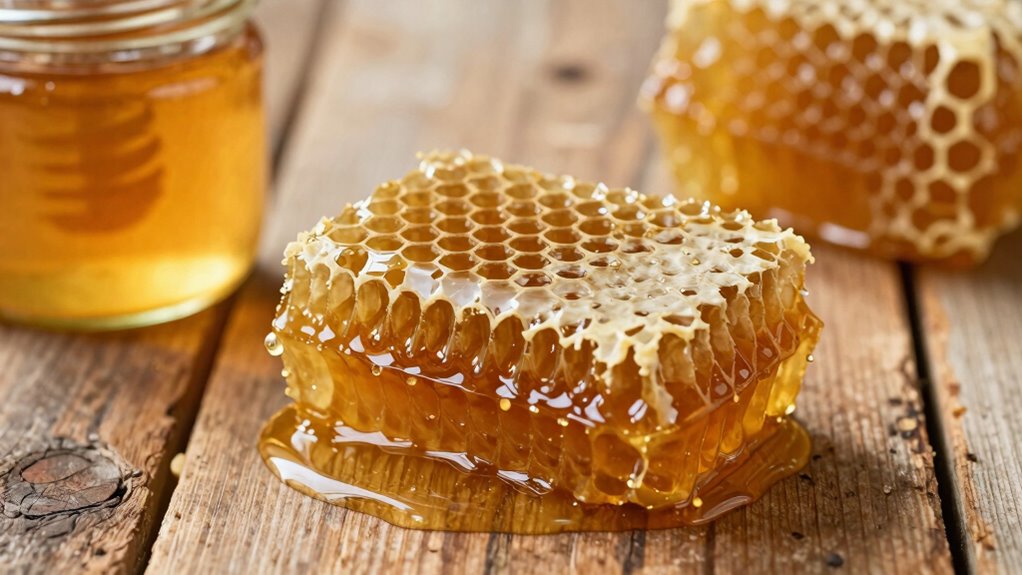

Understanding the differences between washed, natural, and honey processes helps you grasp how each affects coffee’s flavor and aroma. The washed method uses water and fermentation for a clean, bright cup with strong acidity. Natural involves drying whole cherries, adding fruity and full-bodied notes. Honey blends techniques, leaving mucilage on beans for a balanced sweetness and nuanced acidity. Knowing these methods guides your choice, ensuring you get the flavor you prefer. Keep exploring to uncover more about each process.

Get coffee and tea gear delivered free with Prime
- Fast, free delivery on millions of items
- Prime Video, Amazon Music and more included
- Member-only deals all year
Key Takeaways
- The washed process uses water and fermentation for cleaner, brighter coffees with higher acidity.
- The natural process dries whole cherries, resulting in fruity, full-bodied, and complex flavor profiles.
- The honey process removes pulp but retains mucilage, producing a balanced cup with sweetness and nuanced acidity.
- Each method impacts flavor, aroma, and market value, influencing coffee quality and consumer preferences.
- Proper handling and understanding of each process are essential for achieving desired flavor characteristics and quality.
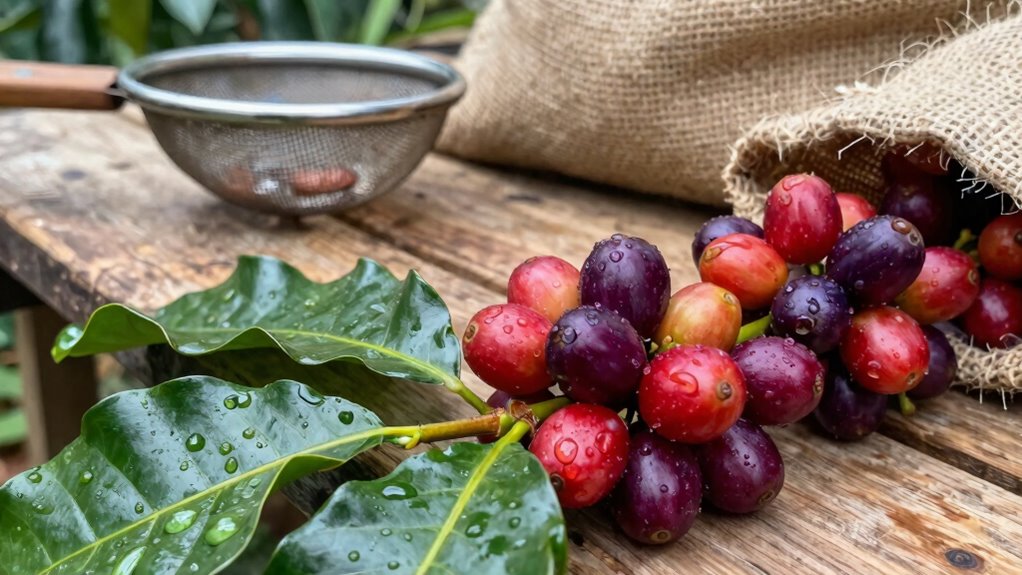
When it comes to coffee processing methods, understanding the differences between washed, natural, and honey processes is important for appreciating their unique flavors and qualities. Each method involves distinct agricultural practices that influence the final taste, aroma, and overall coffee quality. As you explore these processes, you’ll see how the way beans are handled after harvest shapes their character and determines their market value. Being aware of these differences helps you better assess coffee quality and choose the right processing style for your preferences or business needs.
Understanding coffee processing methods reveals how post-harvest handling shapes flavor, quality, and market value.
In the washed process—also called the wet process—farmers remove the fruit from the coffee beans through extensive washing and fermentation. This method relies on precise agricultural practices, including careful fruit harvesting at peak ripeness and meticulous pulping to guarantee uniformity. The washed process tends to produce cleaner, brighter coffees with a pronounced acidity and clarity. Because the beans are thoroughly washed and dried, they often reveal more of the bean’s inherent qualities, making them easier to evaluate in a coffee quality assessment. This process demands significant infrastructure and water resources, but it results in a consistent, high-quality product that showcases the beans’ intrinsic flavor profile. Additionally, the washed process is often favored for its ability to highlight the unique characteristics of different coffee varieties.
In contrast, the natural process involves drying the whole cherries with the fruit still intact. This method requires specific agricultural practices, such as careful fruit selection and spreading cherries in thin layers to facilitate even drying. The natural process imparts a fruity, full-bodied character to the coffee, often with wine-like or sweet notes. Since the beans are dried inside the fruit, there’s a higher risk of defects if conditions aren’t managed carefully, which makes coffee quality assessment essential during processing. Skillful handling ensures that only well-ripened cherries are dried, and that mold or fermentation issues are avoided. The natural process tends to produce coffees with more complex, layered flavors, appreciated by those seeking a richer cup.
The honey process blends elements of both washed and natural methods. Here, the fruit is partially removed—usually by pulping the cherry but leaving some mucilage attached—before drying. Agricultural practices for honey processing focus on controlling mucilage removal and drying conditions to prevent spoilage. The result is a coffee with a sweeter profile than washed beans but cleaner than natural ones. This method requires careful attention during processing, making coffee quality assessment essential for ensuring the beans retain their desired flavor characteristics. The honey process often produces a balanced cup with good body and nuanced acidity, appealing to consumers looking for complexity without extreme fruitiness. Because the mucilage left on the beans influences fermentation, understanding the fermentation process is crucial for achieving the desired flavor profile.
Frequently Asked Questions
How Do Processing Methods Affect Coffee Flavor Profiles?
Processing methods directly influence your coffee’s flavor profile by affecting fermentation effects and drying techniques. For example, washed coffees often have brighter, cleaner tastes due to controlled fermentation, while natural processes add fruity, complex flavors from extended drying. Honey processing strikes a balance, offering sweetness with added depth. Your choice of drying techniques, like sun or mechanical drying, further shapes the final aroma and body, making each cup unique.
Which Processing Method Is Most Eco-Friendly?
Killing two birds with one stone, the honey process often emerges as the most eco-friendly choice, thanks to its minimal water use and lower energy consumption. By choosing coffee with sustainable certifications, you support eco-friendly practices that reduce environmental impact. This method preserves natural sweetness without extensive processing, making it a more sustainable option overall. Opt for these practices, and you help protect the planet while enjoying great coffee.
Can Processing Influence Coffee Caffeine Content?
Processing can influence coffee caffeine content through different decaffeination techniques and caffeine extraction methods. For example, Swiss Water or solvent-based decaffeination reduces caffeine levels, while some natural processing methods retain more caffeine. When choosing coffee, consider the decaffeination process used, as it directly impacts caffeine content. Understanding these methods helps you pick a brew that matches your caffeine preferences, whether you’re seeking a full-strength or decaffeinated cup.
How Does Processing Impact Coffee Shelf Life?
Think of coffee processing as planting seeds for longevity. Processing methods influence how well your coffee withstands time, with proper storage techniques and packaging innovations acting as shields against spoilage. Vacuum-sealed bags or nitrogen-flushed containers keep moisture and air out, extending freshness. By choosing smart storage and innovative packaging, you turn your coffee into a resilient treasure, preserving its vibrant flavors and aroma long after the roast date.
Are Certain Processing Methods Better for Specific Brewing Methods?
Certain processing methods align better with specific brewing styles, thanks to processing innovations and traditional methods. For example, washed coffees often excel in pour-over brewing, highlighting clarity and brightness. Natural processed beans work well with espresso, offering fruity complexity. Honey processing strikes a balance, suited for drip coffee. Your choice depends on your taste preference and brewing technique, but understanding these methods helps you select the best coffee for your favorite brew.
Conclusion
By understanding the distinct processes behind washed, natural, and honey coffees, you transform from a casual sipper into a seasoned connoisseur. Think of each method as a different brushstroke on your coffee canvas, revealing unique flavors and aromas. With this guide, you hold the palette—ready to craft your perfect cup. So, embrace these techniques and let your coffee journey unfold like a well-tended garden—beautiful, nuanced, and endlessly rewarding.
Halloween Picks
halloween
As an affiliate, we earn on qualifying purchases.