When you enjoy carbonated coffee, the bubbles quickly alter your perception by amplifying flavors, aromas, and tactile sensations. The effervescence stimulates your palate, making brighter citrus and fruity notes stand out while balancing acidity and bitterness. Bubbles also release volatile compounds that enhance aroma, creating a lively, multisensory experience. This dynamic effect transforms your coffee into a more engaging and flavorful moment. If you want to discover how carbonation shapes this quick sensory shift, keep exploring.

Get coffee and tea gear delivered free with Prime
- Fast, free delivery on millions of items
- Prime Video, Amazon Music and more included
- Member-only deals all year
Key Takeaways
- Bubbles release volatile compounds, quickly enhancing aroma and altering perceived flavor profiles.
- Carbonation stimulates the palate with a tingling sensation, making flavors feel more vivid and immediate.
- Bubbles interact chemically with coffee, creating new flavor layers and intensifying certain notes.
- Effervescence amplifies acidity and brightness, shifting the balance of flavors perceived during tasting.
- The sensory engagement from bubbles makes the experience lively and memorable, changing perception rapidly.
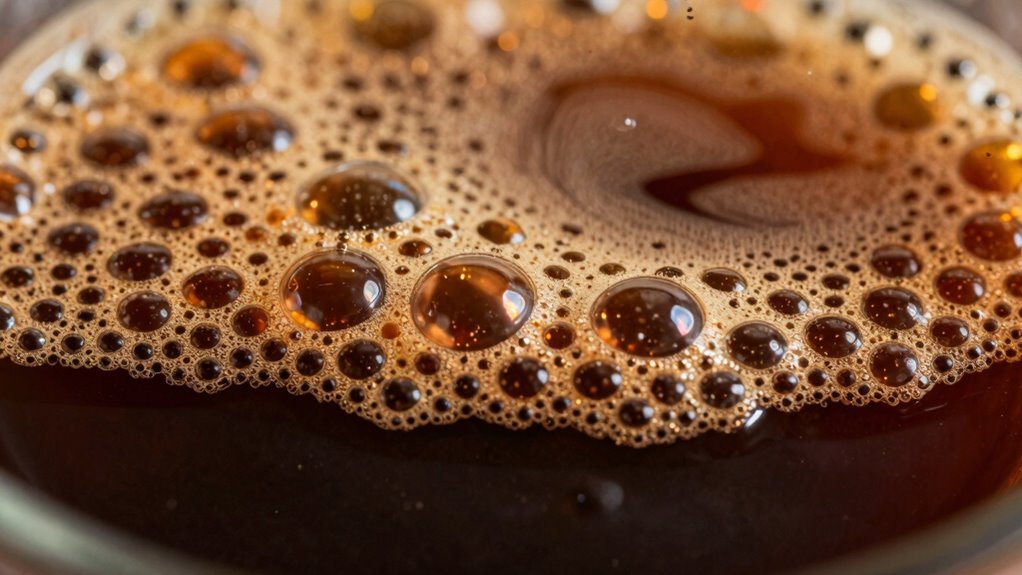
Carbonation can considerably alter the flavor profile of coffee, creating a unique sensory experience that differs from traditional brewing methods. When bubbles are introduced into your coffee, they don’t just add fizz; they actively influence how you perceive its taste and aroma. This process, known as flavor enhancement, heightens certain flavor notes while muting others, giving you a fresh perspective on familiar beans. You might notice a brighter acidity, a sharper citrus note, or a more pronounced fruitiness—all because the carbonation interacts with your taste buds and olfactory receptors in new ways. The effervescent quality can bring out subtle complexities that are often subdued in standard brewing, making your coffee experience more dynamic and engaging.
Carbonation enhances coffee’s flavor, revealing brighter acidity and fruity notes through a lively, multisensory experience.
Your sensory perception is at the heart of this transformation. Bubbles stimulate your palate differently than flat coffee, creating a tingling sensation that can make flavors seem more vivid and lively. This heightened sensory input can lead you to perceive a more intense or cleaner taste, as the carbonation acts like a temporary amplifier for specific notes. It’s almost as if the bubbles are guiding your senses to focus on particular aspects of the coffee’s profile, allowing you to appreciate nuances you may have overlooked before. The sensation of bubbles popping on your tongue also triggers a tactile response, enhancing the overall experience and making each sip feel more interactive and exciting. Additionally, the interaction between carbonation and the coffee’s chemical composition can influence how long certain flavors linger on your palate, further enriching the tasting experience. This chemical interaction can also produce subtle changes in the coffee’s chemical makeup, adding new layers to the flavor profile.
Moreover, the chemical interactions between carbonation and coffee compounds can create new flavor dimensions that are not present in non-carbonated brews, adding to the complexity of the experience. You’ll find that carbonation can also influence your aroma perception. As bubbles rise and burst, they release volatile compounds from the coffee, which can enhance or modify the scent. This aromatic boost further enriches your flavor experience, making the coffee smell fresher, brighter, or more complex. The interplay of aroma and taste is crucial in how you perceive flavor, and carbonation amplifies this connection by engaging multiple senses simultaneously. Additionally, the presence of bubbles can mimic aeration, which is known to enhance flavor extraction and aroma release in various beverages. This process emphasizes the importance of sensory engagement in experiencing coffee at a deeper level.
Finally, the carbonation process itself can influence how the coffee’s acidity and bitterness are perceived, often resulting in a more balanced and refreshing profile. Ultimately, the bubbles in carbonated coffee create a sensory symphony that transforms how you understand and enjoy your brew. Instead of simply drinking coffee, you’re engaging with it on a multisensory level, where fizz and texture play a vital role in flavor perception and overall enjoyment. Whether you’re seeking a refreshing twist or a way to deepen your appreciation of coffee’s complexities, carbonation offers a fast and effective way to change your sensory experience, making every sip a lively, memorable moment.
As an affiliate, we earn on qualifying purchases.
Frequently Asked Questions
How Does Carbonation Affect Coffee Aroma?
Carbonation boosts coffee aroma by enhancing aroma release and flavor enhancement. When bubbles form, they carry volatile compounds to the surface, intensifying the aroma you perceive. As you sip, the bubbles pop, releasing bursts of aromatic notes that amplify the coffee’s flavor profile. This rapid aroma release can make the coffee taste more vibrant and aromatic, giving you a more dynamic and engaging sensory experience.
Can Carbonation Improve Coffee’s Perceived Sweetness?
Yes, carbonation can boost your perception of sweetness in coffee, acting like a spark that lights up your taste buds. The bubbles enhance flavor perception, making the coffee feel more vibrant and balanced. This carbonation triggers flavor enhancement by stimulating your senses more intensely, often leading you to perceive the coffee as sweeter than it truly is. So, next time, try a bubbly coffee for a surprising twist.
What Types of Coffee Are Best Suited for Carbonation?
You’ll find that light, acidic coffee bean varieties like Ethiopian or Kenyan beans work best for carbonation. These beans preserve their bright flavors when carbonated. Brewing methods like pour-over or AeroPress enhance the process, allowing the bubbles to highlight the coffee’s natural acidity and complexity. Avoid heavy, roasted beans, as their bold flavors can be muted or overwhelmed by carbonation. Experiment with different brewing styles to find your perfect fizzy coffee experience.
Does Temperature Influence Bubble Formation in Coffee?
Temperature effects profoundly influence bubble formation in coffee. As you lower the temperature, bubble dynamics slow down, causing bubbles to form more slowly and last longer, enhancing sensory perception. Conversely, warmer coffee accelerates bubble formation and makes bubbles smaller, which can quickly dissipate. So, controlling temperature helps you manage bubble behavior, impacting how you perceive the coffee’s aroma and flavor. Always consider temperature to optimize your coffee experience.
How Long Does Carbonation Last in a Coffee Beverage?
Your coffee’s carbonation can vanish faster than a shooting star, typically lasting just a few minutes to around 15 minutes, depending on factors like agitation and temperature. Coffee chemistry and bubble dynamics drive this rapid decline, as tiny CO2 bubbles escape quickly once exposed to air. To enjoy that fizzy thrill longer, serve immediately after carbonation or keep it chilled, because warmth accelerates bubble escape and flattens flavors fast.
Conclusion
So, next time you sip a fizzy coffee, remember those bubbles aren’t just fun—they’re transforming your entire flavor experience. It’s tempting to think carbonation simply adds sparkle, but it actually shifts how you perceive aroma and taste, making each sip feel more vibrant and fleeting. Believe it or not, those bubbles might just be rewriting your coffee story, turning what you expect into something unexpectedly lively. Embrace the fizz, and let your senses lead the way.
Fall Picks
fall essentials
As an affiliate, we earn on qualifying purchases.