
TL;DR

Get coffee and tea gear delivered free with Prime
- Fast, free delivery on millions of items
- Prime Video, Amazon Music and more included
- Member-only deals all year
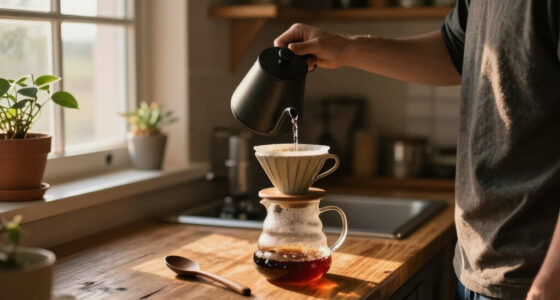
Electric pour-over coffee makers automate water temperature and distribution, delivering consistent, flavorful brews with less effort. They blend the clarity of manual pour-over with modern convenience, making them ideal for enthusiasts and busy mornings alike.
Imagine waking up to the rich, inviting aroma of perfectly brewed coffee—every single morning. That’s the promise of electric pour-over coffee makers. They aim to deliver the clarity, brightness, and complexity of manual pour-over with the push of a button. If you love the idea of a fresh, nuanced cup without the fuss of manual pouring, you’ll want to understand what these machines bring to your countertop.
In this article, you’ll learn how electric pour-over brewers work, what features matter most, and how they stack up against other popular methods. Whether you’re a seasoned barista or just someone obsessed with your morning ritual, knowing the ins and outs helps you pick the perfect machine—and make better coffee every day.
Choose a machine with stable water temperature within 195–205°F for the best extraction.
Water distribution with a wide showerhead is vital for uniform saturation and flavor clarity.
Opt for models with easy cleaning features to maintain consistent quality over time.
Consider your batch size needs—single cups or full carafes—when selecting a machine.
Smart features like app control and programmable start times add convenience but prioritize core brewing performance.
What Makes Electric Pour-Over Coffee Makers Different from Regular Drip Machines?
Electric pour-over coffee makers are designed to mimic the precision and clarity of manual pour-over but add automation. They control water temperature tightly—usually within ±1°F—and distribute water evenly over the coffee bed. This results in a cleaner, more consistent extraction compared to typical drip machines, which often have less precise temperature regulation and uneven water flow.
For example, a high-quality electric pour-over brewer might maintain a stable 200°F during the entire brew, ensuring proper extraction of flavor compounds. Many models also include pre-infusion or bloom cycles, wetting the grounds briefly to release CO2 and improve flavor clarity. This step is crucial because it prepares the coffee for optimal extraction; skipping it can lead to underdeveloped or uneven flavors. Machines that handle this automatically reduce the chance of human error, leading to more consistent results. The tradeoff is that they may lack the tactile control of manual pouring, but for most users, the consistency outweighs the loss of ritual control.
In essence, they combine the best of manual control with the convenience of automation—perfect for those who want quality without fuss.
As an affiliate, we earn on qualifying purchases.
Top Features That Make or Break Electric Pour-Over Machines
- Water Temperature Control: Consistent warmth is key. Aim for models that keep water within the 195–205°F range—hot enough to extract full flavor without scalding the coffee. Precise temperature control ensures that delicate aromatic compounds are preserved while avoiding bitterness caused by overheating. The tradeoff is that more precise control often comes with a higher price and complexity, so balance your budget with your need for accuracy.
- Water Distribution System: A wide, perforated showerhead ensures even saturation. Uneven spray causes channeling, leading to weak or uneven extraction, just like pouring too quickly in manual brew. An optimal distribution system prevents under-extracted flavors and bitterness by ensuring all grounds are uniformly saturated. The implication is that better water spread reduces variability, making each brew more predictable and consistent, especially important if you brew multiple cups daily.
- Flow Control & Pulsing: Machines that regulate flow or pulse water in stages mimic skilled baristas’ pouring techniques, improving flavor and body. This staged pouring allows for better extraction of complex flavors and prevents over-extraction that can cause bitterness. The tradeoff is increased mechanical complexity, which might require more maintenance or repairs but offers a more refined flavor profile.
- Capacity & Batch Size: Check if the machine handles single cups, small batches, or full carafes. Some models excel at one but not both, so consider your typical brewing volume. Larger capacities are convenient for families but may take longer and use more energy. Smaller models are quick and efficient for individuals but may require multiple brews for a group. Understanding your needs ensures you select a machine that fits your lifestyle without compromise.
- Carafe Type: Thermal carafes keep coffee hot without degrading flavor, while glass ones need a hot plate—potentially cooking the brew over time. The choice impacts flavor preservation and convenience. Thermal carafes prevent heat-induced staling, maintaining freshness longer, but may be more expensive. Glass carafes are more affordable but require prompt consumption or a careful temperature control system to prevent flavor loss over time.
- Controls & Programming: From simple one-button operation to customizable presets, controls matter if you want repeatability or personalized settings. Advanced controls allow you to fine-tune parameters like bloom time, flow rate, and temperature, leading to more consistent results tailored to your preferred flavor profile. The tradeoff is a learning curve and potential complexity, but for enthusiasts, this flexibility can elevate the brewing experience.
- Cleaning & Maintenance: Removable parts and descaling features extend machine life and maintain consistent temperature and flow. Regular cleaning prevents mineral buildup and flavor contamination, which can significantly impact taste. Machines with accessible parts and clear maintenance indicators simplify upkeep, ensuring your investment continues to deliver optimal results over time.
For example, a brewer with a removable showerhead and a built-in descaling alert makes maintenance easier, ensuring your coffee stays tasty over months of daily use. Proper maintenance preserves the machine’s precision, which directly impacts flavor quality and consistency.
Electric Pour-Over vs. Manual Pour-Over: Which Wins?
| Feature | Manual Pour-Over | Electric Pour-Over |
|---|---|---|
| Control | Full control over pour speed, timing, and flow | Pre-programmed or automated control of temperature, bloom, and flow |
| Consistency | Varies with skill and attention | Highly consistent shot after shot |
| Time & Effort | Requires manual effort and attention | Push a button, walk away |
| Flavor Clarity | Potentially excellent, dependent on skill | Similar quality, with less variation |
For instance, a home barista might prefer manual pour-over for the ritual and control, but if consistency and speed matter more, an electric model delivers top-tier results without the guesswork. The choice ultimately depends on your desire for control versus convenience, and understanding these tradeoffs helps you align your brewing method with your priorities. Manual pour-over offers tactile engagement and the ability to adjust on the fly, which can lead to nuanced, highly personalized cups. Conversely, electric models excel in delivering a reliably high-quality brew with minimal effort, making them ideal for busy mornings or those less interested in the craft but still craving excellent coffee.
What to Expect When Using an Electric Pour-Over Machine
Using an electric pour-over is straightforward, but understanding what happens behind the scenes helps you brew better coffee. Once you fill the reservoir and select your program, the machine heats water precisely, often within a few seconds of starting. The water then flows through a wide showerhead, evenly saturating the coffee grounds in a controlled manner.
Many models start with a bloom cycle—wetting the grounds for 30-45 seconds to release trapped gases and improve extraction. This step is critical because it allows the coffee to expand and prepare for even water absorption, which enhances flavor clarity and prevents under-extraction. After blooming, the machine pulses or steadily pours hot water over the grounds, mimicking a skilled barista’s pouring technique. This staged process ensures that the coffee grounds are evenly saturated, maximizing extraction of desirable flavors and aromas. The entire process typically takes 3-5 minutes, depending on batch size and settings, resulting in a cup that’s bright, clean, and nuanced. Understanding these steps helps you appreciate the importance of each parameter—such as bloom time and flow rate—in achieving your ideal brew. Many machines allow you to customize these variables, giving you control over the final flavor profile and consistency over multiple brews.
Choosing the Right Electric Pour-Over for Your Coffee Routine
Not all electric pour-over machines are created equal. Your choice depends on how you brew, how much you drink, and what features matter most. For example, if you love experimenting with brew parameters, look for a machine with adjustable temperature, flow, and bloom time. This flexibility allows you to fine-tune each brew to match different beans and roast levels, unlocking complex flavors that might be missed with preset programs. If you prefer simplicity and speed, a one-touch machine with preset profiles can deliver consistently good results without requiring much input, making it ideal for busy mornings or those new to specialty coffee. Capacity is another consideration—if you brew for one or two people, a smaller machine suffices, but if you often serve guests or a family, larger capacity models will serve you better. Placement and design also matter: a compact, sleek model can fit seamlessly into a small kitchen, while a more robust, feature-rich machine might suit a dedicated coffee space. Maintenance features, such as easy-to-clean parts and descaling alerts, can save you time and effort, ensuring your machine remains in top condition. Environmentally conscious consumers might prioritize models with reusable filters and energy-saving modes, aligning with sustainable practices. Ultimately, matching your machine to your routine and preferences ensures a more satisfying brewing experience, whether you value precision, convenience, or a combination of both.
Market Trends & What’s New in Electric Pour-Over Coffee Makers
The market is evolving fast. High-end models now boast adjustable temperature within a 1°F margin, mimicking the precision of professional equipment. App connectivity allows remote scheduling and recipe saving, making morning routines even smoother. For example, some machines let you set your brew profile via a smartphone app, then start brewing with a tap. This integration not only adds convenience but also enables consistency across multiple brews, which is especially valuable for households with multiple coffee enthusiasts. Sustainability is also a focus. Reusable filters, recyclable packaging, and repair-friendly designs are becoming more common, reducing environmental impact. Moreover, manufacturers are integrating better grinders and more elegant designs to appeal to modern kitchens. Advanced models now even adapt water flow and temperature based on the coffee profile—delivering a tailored experience for every bean. As consumers seek convenience without sacrificing quality, expect to see more hybrid systems that combine grinding, brewing, and smart tech into one sleek package. These innovations aim to elevate home brewing to professional standards while maintaining user-friendly interfaces, ensuring that even casual coffee drinkers can enjoy expert-level results at home.
The Science of Brewing: How Temperature and Water Distribution Impact Flavor
Electric pour-over brewers excel because they control two critical factors: water temperature and distribution. These factors directly influence the extraction process, and understanding their impact helps you craft better coffee. Water temperature determines which compounds dissolve from the coffee grounds—too hot, and you risk extracting bitter tannins and overemphasizing roasted flavors; too cool, and you may under-extract, resulting in sour or flat notes. Maintaining a steady 195–205°F range maximizes the solubility of desirable aromatic and flavor compounds, leading to a balanced, nuanced cup. Precise temperature control ensures that delicate floral or fruity notes are preserved, which might be lost if the water fluctuates. Water distribution is equally important because it affects how evenly the coffee grounds are saturated. An effective showerhead with multiple small holes ensures uniform wetting, preventing channeling—where water finds the path of least resistance, leaving parts of the coffee under-extracted. This uniform saturation enhances flavor clarity and body, revealing the coffee’s full complexity. For example, a brewer with programmable pulse modes can mimic manual pouring by delivering staged bursts of water, allowing you to fine-tune extraction and develop more intricate flavor profiles, much like a professional barista. Understanding these principles helps you select or adjust machines for optimal results, leading to a more satisfying coffee experience that highlights the nuances of each bean.
Frequently Asked Questions
Are electric pour-over coffee makers better than traditional drip machines?
They often deliver more precise temperature control and uniform water distribution, resulting in better flavor clarity. However, they require a bit more setup and understanding of brewing parameters. For consistent quality, many find them a worthwhile upgrade.
Can an electric pour-over produce the same quality as manual pour-over?
With the right model, they can match manual pour-over in clarity and flavor. The difference lies in the user’s control—manual brewing offers instant adjustments, while machines focus on consistency. Enthusiasts who prefer hands-on control may still prefer manual, but modern machines close the gap significantly.
Is SCA certification important when choosing an electric pour-over?
SCA certification indicates the brewer meets specific standards for temperature stability, brew time, and extraction. While not mandatory, it’s a good sign of quality. Still, personal preferences and features should guide your choice.
What grind size is best for electric pour-over machines?
Start with a medium grind, similar to sea salt. Adjust finer if the coffee tastes weak or sour, or coarser if it’s bitter or over-extracted. Consistent grinding with a burr grinder produces the best results.
Do I need a fancy grinder for an electric pour-over?
A good burr grinder is highly recommended for consistent particle size, which directly impacts extraction quality. While you don’t need the most expensive model, avoid blade grinders, as they produce uneven grounds that harm flavor.
Conclusion
Electric pour-over coffee makers are transforming home brewing by blending precision with convenience. They make it easier to craft a consistent, flavorful cup without the fuss of manual pouring. If you value clarity and control but crave simplicity, this is a brewing method worth exploring.
Remember, the best machine aligns with your routine, space, and taste preferences. With the right choice, every morning becomes an opportunity to enjoy coffee at its finest—bright, complex, and perfectly brewed. Why settle for less when your ideal cup is just a button away?
Columbus Day / Indigenous Peoples' Day Picks
long weekend sales
As an affiliate, we earn on qualifying purchases.