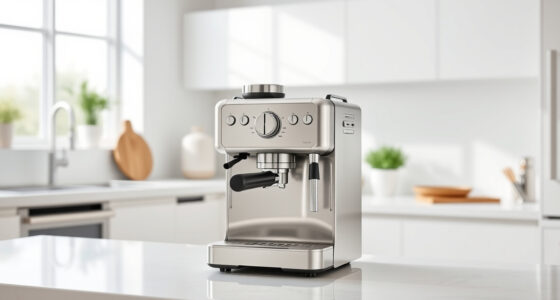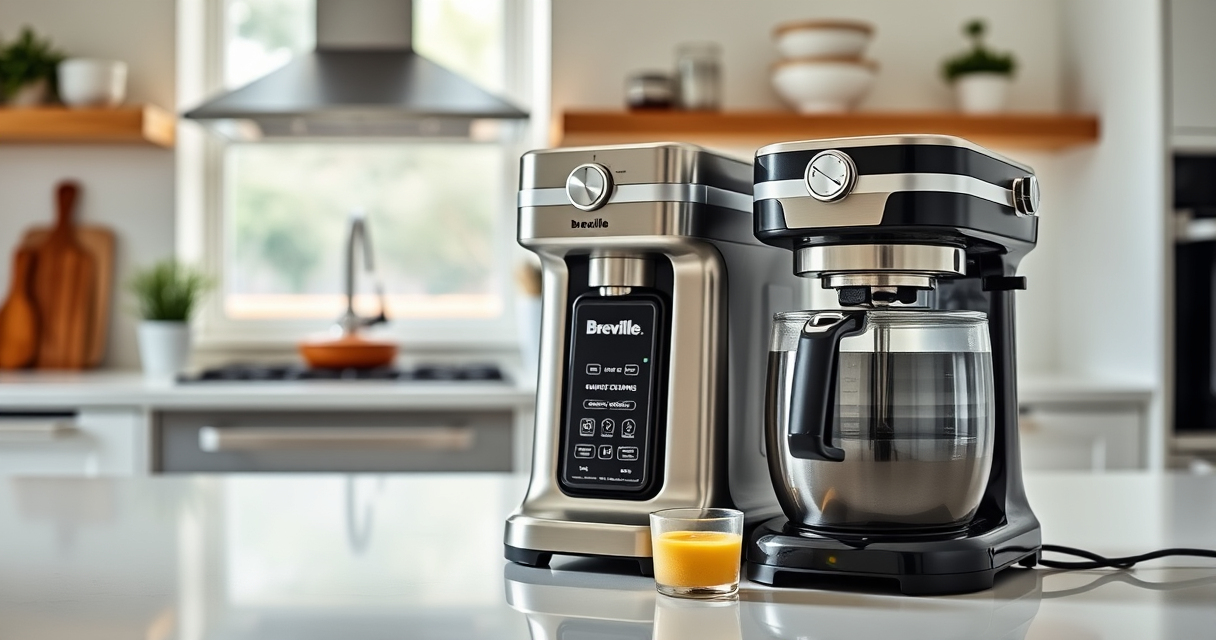

Maintaining your Breville Bambino Plus espresso machine is crucial for ensuring optimal performance, longevity, and perfect coffee results. Regular cleaning and proper care prevent build-up of oils, minerals, and residues that can compromise flavor and machine function. In this comprehensive guide, you’ll find practical, safe, and effective maintenance steps tailored specifically for your Breville Bambino Plus, along with handy troubleshooting tips to resolve common issues.

Get coffee and tea gear delivered free with Prime
- Fast, free delivery on millions of items
- Prime Video, Amazon Music and more included
- Member-only deals all year
Whether you’re a seasoned barista at home or just starting your espresso journey, keeping your machine in top shape will enhance every cup you brew. Let’s walk through the essential maintenance routines and tips to keep your Breville Bambino Plus delivering café-quality coffee for years to come.
Key Takeaways
| Regular Cleaning | Use official cleaning tablets to remove coffee oils and residues. |
| Descaling | Perform descaling regularly to prevent mineral build-up and scale. |
| Water Filters | Replace water filters every 2 months for optimal water quality. |
| Troubleshooting | Address common issues like poor extraction or machine errors promptly. |
| Safety First | Always unplug before cleaning and avoid harsh chemicals. |
Step 1: Daily Cleaning Routine
To keep your Breville Bambino Plus performing at its best, a daily cleaning routine is essential. Start by turning off and unplugging the machine, then wipe down the exterior with a damp, soft cloth. Remove the portafilter and rinse it thoroughly, along with the filter basket, to eliminate coffee grounds and oils.
Use a Breville-approved cleaning tablet, such as the Breville BEC250 Espresso Machine Cleaning Tablets, once a week to clean the shower screen and filter baskets. Dissolve the tablet in warm water according to the instructions, then run the cleaning cycle to flush out coffee oils and residues. Regular cleaning ensures your espresso stays pure and flavorful, and prolongs your machine’s lifespan.
Step 2: Weekly Descaling Process
Descaling is critical for removing mineral deposits that can impair the heat exchange and water flow. Use a descaling solution compatible with Breville machines, following the manufacturer’s instructions. Fill the water reservoir with the descaling solution, then run the machine through a brew cycle without coffee beans. Repeat with clean water to rinse out any remaining solution.
Perform this process every 2-3 months, especially if you have hard water. Regular descaling maintains optimal pressure and temperature, ensuring consistent espresso quality and preventing costly repairs.
Step 3: Replacing Water Filters
Using a water filter like the Breville Charcoal Filters or Possiave Charcoal Water Filters helps improve water quality and taste. Replace the filter every two months or after filtering approximately 50 liters of water. To replace, turn off the machine, remove the old filter from the water reservoir, and insert the new one, ensuring it is seated properly. Rinse the filter briefly before installation if recommended.
This simple step reduces mineral build-up and prevents scale formation, contributing to better espresso flavor and longer machine life.
Troubleshooting Common Issues
If your espresso machine encounters problems, start by checking the basics. For example, if the machine isn’t heating properly, ensure the power supply is stable and the machine is turned on. If water flow is slow or extraction is weak, consider descaling or cleaning the shower screen and filter basket.
Other common issues include error messages or the machine not turning on. Reset the machine by unplugging it for a few minutes, then plugging it back in. Consult the user manual for specific error codes and solutions. Regular maintenance minimizes these problems and keeps your espresso machine running smoothly.
Safety Tips & Best Practices
Always unplug your Breville Bambino Plus before performing any cleaning or maintenance tasks. Use only manufacturer-approved cleaning products, such as the Breville BEC250 Cleaning Tablets, to avoid damaging internal components. Avoid using abrasive cleaners or harsh chemicals that could corrode or impair your machine’s finish.
Handle all parts, especially the portafilter and water reservoir, with care. Ensure all components are dry before reassembling. Regularly inspecting seals and gaskets for wear will help prevent leaks and maintain optimal pressure for extraction.
The Products in This Guide

Breville Bambino Plus
- ✔ Weight: 8 tablets per pack
- ✔ Brand: Breville
- ✔ Made In: Australia

Breville BEC250 Espresso Machine Cleaning Tablets
- ✔ Weight: 8 tablets
- ✔ Usage Frequency: Every 2-3 weeks
- ✔ Safety: Food-grade ingredients
Breville Bambino Plus
The Breville BEC250 Espresso Machine Cleaning Tablets are specifically designed to keep your espresso machine free of coffee oils and residues. They dissolve evenly and thoroughly, ensuring your machine operates efficiently and produces the best-tasting espresso.
Pros:
- Effective removal of coffee oils
- Safe and food-grade ingredients
- Easy to use
- Prolongs machine lifespan
Cons:
- Requires regular use
- Single-use packets can be wasteful
Best for: Maintaining cleanliness and performance of your Breville Bambino Plus
Not ideal for: Use with non-Breville machines or without proper rinsing afterwards
Bottom line: A reliable cleaning tablet to keep your Breville Bambino Plus spotless and functioning at its best.
Breville BEC250 Espresso Machine Cleaning Tablets
These Breville BEC250 cleaning tablets are perfect for deep cleaning your espresso machine, removing built-up oils, and ensuring consistent extraction. They are easy to use and highly effective, making them a staple in regular machine care.
Pros:
- Thorough cleaning performance
- Food-safe ingredients
- Compatible with all Breville models
- Enhances espresso flavor
Cons:
- Cost can add up with frequent use
- Single-use packaging generates waste
Best for: Deep cleaning and maintenance to extend machine life
Not ideal for: For quick daily cleaning, regular tablets suffice
Bottom line: A high-quality cleaning solution for maintaining peak performance of your Breville espresso machine.
Frequently Asked Questions
How often should I descale my Breville Bambino Plus?
Descaling should be performed every 2-3 months, especially in areas with hard water, to prevent mineral buildup and scale formation.
Can I use vinegar to descale my espresso machine?
It is not recommended to use vinegar, as it can damage internal components. Use a manufacturer-approved descaling solution for safe and effective cleaning.
How do I replace the water filter?
Turn off and unplug the machine, remove the old filter from the reservoir, insert the new filter, and rinse it briefly before use. Replace every 2 months for best results.
What should I do if my espresso shot is weak?
Check for proper grind size, clean the shower screen, and perform descaling if necessary. Ensure the machine heats properly and the portafilter is tamped correctly.
Is it safe to clean my machine with cleaning tablets?
Yes, if you use official Breville cleaning tablets like the BEC250. Always follow the instructions and rinse thoroughly after cleaning to prevent residue.
Keep Your Breville Bambino Plus Brewing Perfect Espresso
Regular maintenance is the key to enjoying consistently great coffee from your Breville Bambino Plus. By following the cleaning, descaling, and filter replacement routines outlined here, you can extend your machine’s lifespan and ensure every cup tastes as fresh as the day you bought it.
Don’t forget to troubleshoot issues early and always prioritize safety during cleaning. With proper care, your espresso machine will continue to deliver café-quality results right in your home for years to come.
Affiliate disclosure: As an Amazon Associate we earn from qualifying purchases. Prices and availability are accurate as of the time of publishing.
Fall Picks
fall essentials
As an affiliate, we earn on qualifying purchases.