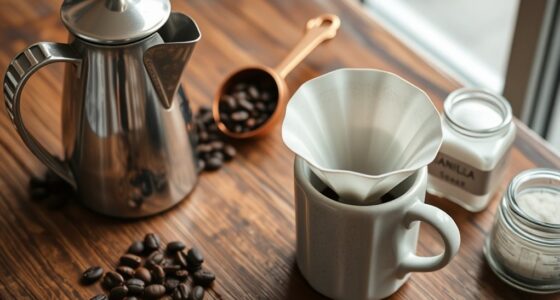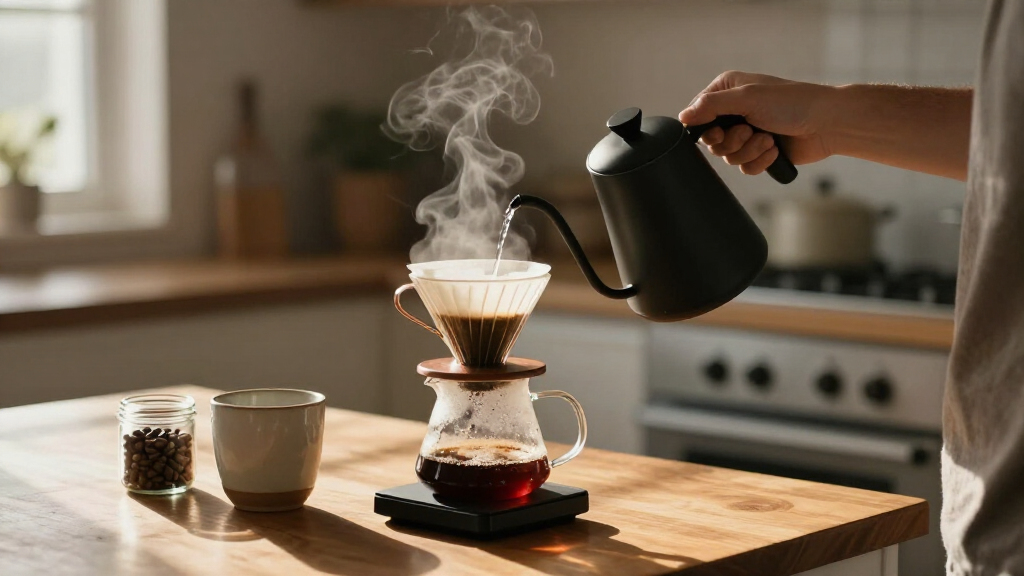
Choosing coffee brewing accessories often comes down to two simple setups: a pour-over dripper with filters and a kettle, or a French press with a carafe and plunger. Both can make excellent coffee without an expensive machine, but they suit different routines. Pour-over gives you more control over extraction and a cleaner, lighter cup; French press asks for less equipment and attention while retaining more oils and fine particles. The practical decision is whether you would rather spend a little more time shaping each brew or make a satisfying pot with fewer steps.

Get coffee and tea gear delivered free with Prime
- Fast, free delivery on millions of items
- Prime Video, Amazon Music and more included
- Member-only deals all year
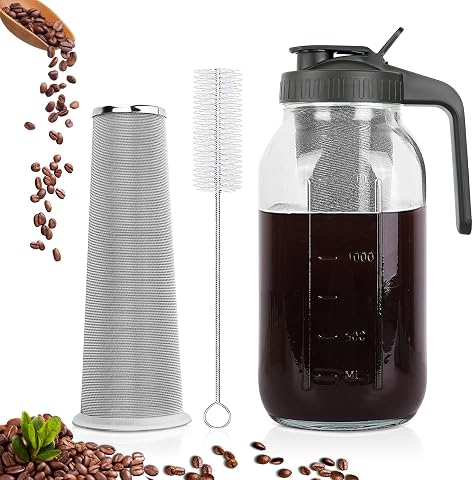
64 oz Mason Jar Cold Brew Coffee Maker with Stainless Steel Filter
- ✔ Capacity: 64 oz
- ✔ Pitcher material: Food-grade soda-lime glass
- ✔ Filter material: Food-grade 304 stainless steel

Cold Brew Coffee Filter Bags, 120 Count, 4 x 6 Inch
- ✔ Quantity: 120 bags
- ✔ Size: 4 x 6 inches
- ✔ Material: Food-grade, odorless non-woven fabric
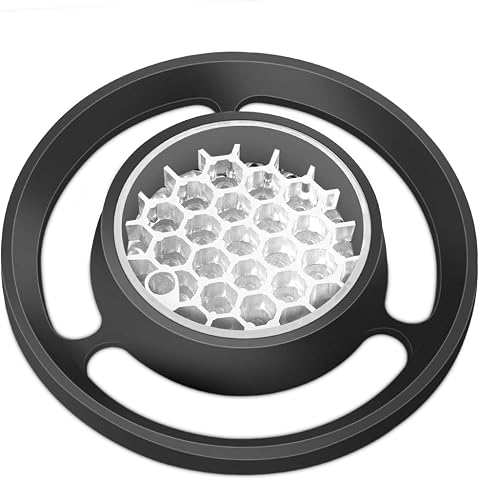
CAFEMASY Pour-Over Coffee Drip Assist for V60 and Cone Drippers
- ✔ Brand: CAFEMASY
- ✔ Material: PP and acrylic
- ✔ Pieces: 1
For someone who enjoys adjusting grind, water flow, and brew time, pour-over is the stronger choice. For someone who values a forgiving process, larger batches, and minimal recurring supplies, French press usually fits better. Neither method can compensate for stale beans or a poor grinder, so the best accessory set is the one you will use consistently.
At a Glance
| Criteria | Pour-over setup | French press setup | Winner |
|---|---|---|---|
| Cup character | Cleaner, lighter cup with fewer grounds and oils | Fuller body, more oils, and some fine sediment | Depends |
| Brewing control | High control over pour rate and timing | Moderate control; steep time and grind matter most | A |
| Ease of use | Requires a steady pour and a bit of practice | Simple steep-and-plunge routine with little technique | B |
| Batch size | Usually one or two cups per brew | Often makes several cups at once | B |
| Cleanup and upkeep | Paper filters simplify disposal; dripper rinses quickly | Grounds must be removed and mesh parts need rinsing | Depends |
| Accessory cost and value | Low entry cost, with filters and often a gooseneck kettle as ongoing or added costs | Low entry cost and no paper filters; replacement screens may eventually be needed | Depends |
| Portability | Light drippers travel well, though a kettle and filters add pieces | Self-contained carafe is convenient, but glass versions are fragile | Depends |
64 oz Mason Jar Cold Brew Coffee Maker with Stainless Steel Filter
For buyers who want one accessory to cover steeping, filtering, and serving, this 64 oz glass pitcher is the most complete choice in the lineup. Its food-grade stainless steel filter sits inside the vessel, while the BPA-free lid has a silicone seal and pour spout. That means we can prepare a larger cold-brew batch and pour from the same container, without relying on disposable bags or transferring the finished drink to another jug. Compared with the 120-count bags, it brings the jar and reusable filter together; compared with the CAFEMASY tool, it supports an entirely different brew method and supplies more of the setup.The fine 160-micron mesh is intended to keep grounds out of the drink, and the wide mouth makes filling and cleaning more manageable. A brush is included for the filter, and the pitcher and filter are dishwasher safe. The important compromise is the glass: it can crack with sudden temperature changes, and the maker should not be used with boiling water. Its maximum safe temperature is 140°F (60°C), so we should keep it for cold brew and other suitable cool or room-temperature drinks. This is the strongest all-in-one pick here for batch cold brew, but not for anyone seeking a heat-safe, rugged travel vessel.
Pros:
- Combines a 64 oz pitcher and reusable stainless steel filter.
- Sealed pour-spout lid supports storage and serving from the same container.
- Wide mouth helps with filling and cleaning.
- Filter brush is included, and the pitcher and filter are dishwasher safe.
Cons:
- Glass can crack if exposed to sudden temperature changes.
- Maximum safe temperature is 140°F (60°C), so it is not suitable for boiling water.
- A larger glass pitcher takes more storage space than filter bags or a small drip-assist tool.
Best for: Cold-brew drinkers who want to make and pour larger batches from one reusable glass container.
Not ideal for: Anyone who wants to brew with boiling water, frequently expose glass to abrupt temperature changes, or make pour-over coffee.
Bottom line: Choose this pitcher if we want a reusable, high-capacity cold-brew setup with filtration and serving built in, and can handle its glass temperature limits.
“Choose this pitcher if we want a reusable, high-capacity cold-brew setup with filtration and serving built in, and can handle its glass temperature limits.”
Cold Brew Coffee Filter Bags, 120 Count, 4 x 6 Inch
These bags make the most sense when we already own a jar or another suitable container and want a simple way to keep grounds together during a cold brew steep. Their fine-mesh, drawstring design is meant to contain grounds and reduce gritty residue, while the tear-resistant fabric is suited to a long soak. The 4 x 6 inch size is specified for use with a 32 oz mason jar, making this a smaller-container approach than the 64 oz pitcher above. In return, the bags are easier to store than a dedicated glass vessel and can also hold tea, herbs, or soup infusions.The core compromise is built into the format: after brewing, we discard each bag and need another for the next batch. That makes this option less appealing to someone who prioritizes reusable equipment, even though the pack includes 120 bags. Unlike the pitcher, it does not supply a container, spout, or reusable filter; we need to provide the vessel ourselves. Compared with the drip assist, it helps with cold-brew grounds rather than controlling a pour-over stream. We would choose these bags for convenient grounds handling and multiple infusion uses, while buyers seeking an all-in-one cold-brew maker should consider the pitcher instead.
Pros:
- Fine mesh and drawstring help keep grounds contained during steeping.
- Tear-resistant construction is suited to long steeping.
- Can also be used for tea, herbs, and soup infusions.
- A 120-bag pack provides a supply of disposable filters.
Cons:
- Single-use design means replacing bags after brewing.
- Does not include a jar or serving vessel.
- Specified for a 32 oz mason jar, so it does not match the pitcher’s stated 64 oz capacity.
Best for: Cold-brew makers with a compatible jar who want disposable, contained grounds and a bag that can serve other infusion tasks.
Not ideal for: Buyers seeking a reusable filter, a complete pitcher setup, or a pour-over accessory.
Bottom line: Pick these bags when we already have a jar and value easy, flexible grounds containment more than a reusable or all-in-one setup.
“Pick these bags when we already have a jar and value easy, flexible grounds containment more than a reusable or all-in-one setup.”
CAFEMASY Pour-Over Coffee Drip Assist for V60 and Cone Drippers
Where the other two picks deal with cold-brew grounds, this drip-assist tool focuses on pour-over water distribution. Its spiral ridge and steady-flow holes are designed to spread water over the coffee bed in a controlled way, which can help make pouring more consistent without changing the basic cone-dripper method. The removable components and smooth surfaces are intended to simplify cleanup. Compared with the pitcher, it is compact and dedicated to a different brewing style; unlike the filter bags, it neither contains grounds in a steeping vessel nor supplies a filter for cold brew.Its usefulness depends on fit. The stated compatibility is #1 and #2 V60 and #2 cone drippers, so we should check our dripper size before choosing it. It is made from PP and acrylic and needs to be rinsed and dried after use; that is a small routine, but it is still manual cleanup rather than the pitcher’s dishwasher-safe option. This accessory also does not replace the dripper, filter, or kettle. For a buyer with a compatible cone setup who wants a more guided pour, it is the most targeted pick here. Those who brew cold coffee, need larger batch capacity, or want fewer components to manage should look to the other two products.
Pros:
- Spiral ridge and steady-flow holes are designed to guide water distribution.
- Supports a more controlled pour-over routine.
- Removable components and smooth surfaces aid cleaning.
- Compact accessory for compatible V60 and cone drippers.
Cons:
- Compatibility is limited to specified #1 and #2 V60 and #2 cone drippers.
- Requires rinsing and drying after each use.
- Does not include a dripper, filter, or cold-brew vessel.
Best for: Pour-over brewers with a compatible V60 or cone dripper who want guided, more even water flow.
Not ideal for: Cold-brew drinkers, owners of incompatible dripper sizes, or buyers who want a complete brewing vessel.
Bottom line: Choose the CAFEMASY if we already brew pour-over with a listed dripper size and want a dedicated tool for guiding water flow.
“Choose the CAFEMASY if we already brew pour-over with a listed dripper size and want a dedicated tool for guiding water flow.”
As an Amazon Associate we earn from qualifying purchases.
Key Differences
The most noticeable difference is in the cup. Pour-over filters catch much of the fine sediment and coffee oils, producing a clearer texture that can make delicate flavors easier to distinguish. French press coffee retains more oils and suspended particles, which gives it more weight and a richer mouthfeel. This is a matter of preference, not a quality ranking: choose the dripper if you favor clarity, and the press if you want a rounder, more substantial cup.
The methods also ask different things of the brewer. Pour-over depends on a measured pour and can reward small adjustments, but those steps take attention. French press is more relaxed: add grounds and hot water, wait, then press. Its larger typical capacity makes it convenient for serving more than one person. Pour-over keeps the accessory list light if you already have a kettle, although a gooseneck kettle makes controlled pouring easier. Both can be inexpensive, but filters add a modest recurring cost to pour-over, while the press trades that for more hands-on cleanup.
Detailed Comparison
Cup character (major difference)
Pour-over wins for a clean, light texture because paper filters remove most grounds and some oils. French press produces a heavier cup with more oils and a little sediment. The gap is major for drinkers with a firm preference: choose the dripper for clarity and distinct flavor notes, or the press for richness and weight. Neither is universally better.
Brewing control (Pour-over setup wins — moderate)
Pour-over wins by a moderate margin for people who want to tune the brew. Pour rate, pouring pattern, water temperature, and timing all give you ways to adjust the result. A French press offers fewer moving parts: steep time, grind size, and the plunge are the main variables. That simplicity is useful, but it leaves less room for controlled changes during brewing.
Ease of use (French press setup wins — moderate)
French press wins by a moderate margin for an uncomplicated morning routine. The basic method involves adding water, steeping, and pressing; a gooseneck kettle and practiced pour are not required. Pour-over is still approachable, but consistent results take attention and a few attempts. Pick the press if you want a forgiving routine, and the dripper if the process itself is part of the appeal.
Batch size (French press setup wins — moderate)
French press wins for making several cups at once. Many presses are built to brew a shared batch, while a typical pour-over dripper is best suited to one or two cups at a time. The gap is moderate: pour-over works for a solo drinker or a small household, but serving a group may require repeat brews. Check the accessory’s stated capacity because sizes vary.
Cleanup and upkeep (minor difference)
This is a close tradeoff. Pour-over cleanup is quick when a used paper filter and grounds can go straight into the bin or compost; reusable filters require more rinsing. French press avoids disposable filters, but the wet grounds need to be emptied and the mesh assembly rinsed. The difference is minor for one cup, though it can matter daily: choose based on whether you prefer filter disposal or washing a plunger and carafe.
Accessory cost and value (moderate difference)
Neither setup has a universal cost advantage, so the winner depends on what you already own. A basic dripper is inexpensive, but paper filters are a recurring purchase, and a gooseneck kettle can add cost if you want more pouring control. A basic French press needs no paper filters, though its screen can wear and replacements may be useful over time. The gap is minor to moderate: paying extra for pour-over makes sense if you value control and clarity, while the press is better value when simplicity and batch brewing matter more.
Portability (minor difference)
There is no clear winner. A small pour-over dripper is light and easy to pack, but it usually needs a separate cup, kettle, and filters. A French press combines brewing and serving in one accessory, although a glass carafe can break during travel. The gap is minor and depends on the model: choose a sturdy dripper for compact packing or a durable press when you want an all-in-one brewer.
Pour-over setup: Pros and Cons
Pros:
- Produces a clean cup with little sediment
- Offers fine control over the brewing process
- Dripper is usually compact and easy to rinse
Cons:
- Consistent pouring takes attention and practice
- Paper filters create a recurring expense unless using a reusable filter
- Typical batches are smaller
French press setup: Pros and Cons
Pros:
- Simple, forgiving brewing routine
- Full-bodied coffee with more oils
- Convenient for brewing several cups at once
- No paper filters to buy
Cons:
- Some sediment can reach the cup
- Wet grounds and mesh parts take more effort to clean
- Glass models can be fragile for travel
Who Should Choose What
Choose Pour-over setup if:
- You prefer a clear, lighter cup with little sediment.
- You enjoy adjusting brewing variables and can give the pour your attention.
- You usually make coffee for yourself or one other person.
Choose French press setup if:
- You want a fuller-bodied cup and do not mind a little sediment.
- You prefer a short, forgiving process over careful pouring.
- You often make multiple cups in one batch and want to avoid buying paper filters.
Skip both if: Skip both if you need a hands-off brewer with automatic timing and temperature control; consider an automatic coffee maker instead.
Value for Money
Paying more for accessories is worthwhile only when it solves a problem you actually have. A basic French press can offer strong value for shared batches and a low-supply routine, while a basic pour-over dripper is affordable for solo brewing. Pour-over’s extra spending usually goes toward filters and, for better pouring control, a gooseneck kettle. Pay that premium if you will use the control to pursue a cleaner cup; otherwise, a press offers more convenience per accessory. A good grinder and fresh coffee often improve either method more than upgrading the brewer itself.
Final Verdict
Choose a French press if you want the easier, more convenient setup for fuller-bodied coffee, especially when you brew several cups at once. Choose pour-over if a clean cup and hands-on control matter enough to justify filters and more attention. For most people who want a simple manual brewer, the French press is the better starting value. The deciding factor is texture: if sediment and a heavier body put you off, choose pour-over instead.
Frequently Asked Questions
Which is easier for a beginner: pour-over or French press?
French press is easier to learn because the basic routine is steep and plunge. Pour-over takes practice to pour consistently, though a simple recipe can make it approachable.
Does pour-over taste stronger than French press?
Not necessarily. Strength depends on the coffee-to-water ratio and brewing choices. Pour-over usually tastes cleaner, while French press feels fuller because more oils and fine particles stay in the cup.
Which method is better for making coffee for guests?
A French press is often more convenient because it can brew a larger batch in one go. Check the carafe capacity; a small press may still require multiple rounds.
Is a gooseneck kettle necessary for pour-over?
No. It helps control the pour and makes repeatable brewing easier, but a regular kettle can work if you pour carefully. The kettle is an upgrade for control, not a requirement for starting.
Halloween Picks
halloween
As an affiliate, we earn on qualifying purchases.