
Iced coffee cultures around the world showcase diverse traditions, from Japan’s precise pour-over methods emphasizing clarity and aesthetics to Vietnam’s rich, condensed milk-infused brews made with slow-drip filters. In New Orleans, bold, dark coffee blends like chicory add a unique regional flavor rooted in French influence. Exploring these styles reveals how each region’s values and history shape their brewing, inviting you to discover more fascinating differences behind every invigorating sip.

Get coffee and tea gear delivered free with Prime
- Fast, free delivery on millions of items
- Prime Video, Amazon Music and more included
- Member-only deals all year
Key Takeaways
- Japanese iced coffee emphasizes pour-over precision, clarity, and aesthetic simplicity, reflecting meticulous craftsmanship.
- Vietnamese iced coffee features robust dark roast brewed with drip filters and sweetened condensed milk for richness.
- New Orleans iced coffee combines strong coffee with chicory and milk, highlighting French colonial influence and regional flavor.
- Each culture’s brewing method reveals unique values like patience in Vietnam, craftsmanship in Japan, and tradition in New Orleans.
- The global iced coffee landscape showcases diverse techniques, ingredients, and cultural identities shaping regional coffee traditions.

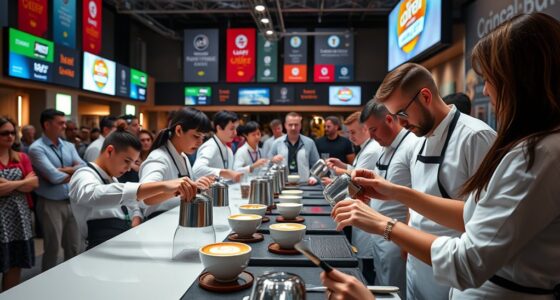
Have you ever wondered how iced coffee became a global phenomenon? It’s fascinating to see how different cultures have embraced and adapted this chilled beverage, each adding their own twist rooted in unique brewing techniques and regional traditions. In Japan, for example, the art of brewing iced coffee often involves pour-over methods that emphasize precision and clarity. Japanese baristas typically use high-quality beans and carefully control water temperature and pouring speed to extract a clean, nuanced flavor. These brewing techniques highlight the importance of precision and ritual, reflecting broader regional traditions that value craftsmanship. The resulting iced coffee is light, crisp, and aromatic, often served over ice with minimal embellishments, emphasizing the purity of the coffee’s flavor. This approach mirrors Japan’s cultural appreciation for meticulous detail and aesthetic simplicity.
Japanese pour-over iced coffee emphasizes precision, clarity, and aesthetic simplicity, reflecting a deep appreciation for craftsmanship and meticulous detail.
Across the Pacific, in places like Vietnam, regional traditions shape how iced coffee is prepared and enjoyed. The famous cà phê đá combines robust, dark-roasted Vietnamese coffee with sweetened condensed milk, creating a rich, sweet, and intensely flavorful drink. The brewing process often involves drip filters called phin, which slow-brew the coffee directly over ice and condensed milk. This method allows the coffee to develop a strong, full-bodied profile that balances the sweetness and creaminess of the milk. The tradition of making cà phê đá is deeply embedded in daily life, and the slow drip process reflects regional values of patience and craftsmanship. The result is a invigoratingly bold beverage that’s both energizing and comforting, a perfect example of how regional traditions influence iced coffee culture.
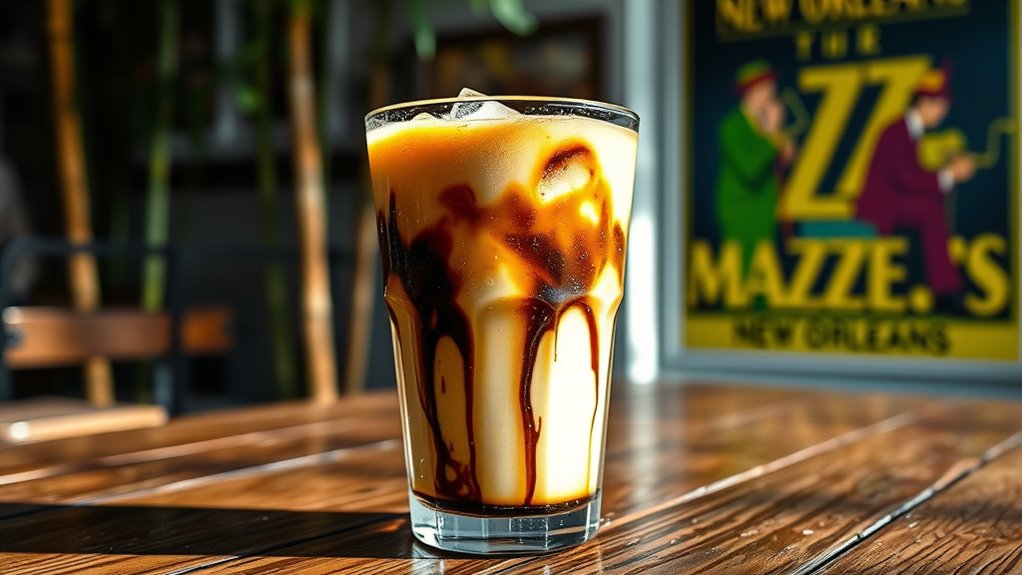
Moving to the southern United States, New Orleans has cultivated its own distinctive iced coffee culture, blending French influence with local flair. Here, they often brew strong, dark coffee using traditional methods like stovetop moka pots or drip machines, then serve it over ice with generous doses of milk or chicory. The addition of chicory root, a regional tradition dating back to French colonial times, lends the coffee a slightly bitter, earthy undertone that balances the sweetness of added sugar or milk. The brewing techniques prioritize a bold, robust flavor that can stand up to the added ingredients, creating a rich, complex iced coffee experience. This regional style reflects New Orleans’ history of blending diverse traditions into something uniquely local, making iced coffee a symbol of its multicultural identity.
In each of these regions, brewing techniques and regional traditions shape how iced coffee is crafted and enjoyed. Whether it’s Japan’s meticulous pour-over, Vietnam’s slow drip over condensed milk, or New Orleans’ bold, chicory-infused blends, each culture’s approach highlights the diversity and richness of iced coffee’s global journey.
Japanese pour-over iced coffee maker
As an affiliate, we earn on qualifying purchases.
As an affiliate, we earn on qualifying purchases.
Frequently Asked Questions
How Did Iced Coffee Originate Historically Worldwide?
You might be surprised to learn that iced coffee’s history dates back to the 19th century, where coffee history shows it was first brewed in the Middle East and Asia. Over time, the beverage evolved as people sought invigorating ways to enjoy coffee in hot climates. Today, you see how this evolution reflects cultural influences worldwide, making iced coffee a beloved beverage that adapts to local tastes and traditions.
What Unique Preparation Methods Exist for Iced Coffee Globally?
Imagine a world where iced coffee is a canvas of flavor and presentation. You’ll find methods like Japanese pour-over chilled for clarity, Vietnamese drip over ice for richness, and New Orleans’ chicory-infused blends adding depth. Coffee flavoring varies from spices to syrups, while serving presentations range from tall glasses with artistic ice cubes to traditional cups with ornate garnishes. Each technique reflects a culture’s unique taste and artistry.
Which Countries Have the Most Innovative Iced Coffee Traditions?
You’ll find the most innovative iced coffee traditions in countries like South Korea and Australia. In South Korea, baristas craft intricate coffee art on iced brews, elevating the experience. Australians experiment with unique iced coffee recipes, blending local flavors and adding creative toppings. These cultures push boundaries, making iced coffee more than just a revitalizing drink—it’s a canvas for coffee art and inventive creations you’ll love to try.
How Does Climate Influence Iced Coffee Popularity in Different Cultures?
You’ll notice that climate-driven preferences greatly influence iced coffee’s popularity across cultures. Hot, humid regions like Southeast Asia and the southern US favor cold, invigorating drinks, leading to regional beverage adaptations such as sweetened or iced versions. Conversely, cooler climates may prefer hot coffee, but as temperatures rise, iced coffee’s appeal grows, highlighting how climate shapes beverage choices and encourages diverse, innovative iced coffee styles worldwide.
Are There Specific Health Considerations for Iced Coffee Consumption?
You should consider your caffeine sensitivity and sugar intake when drinking iced coffee. If you’re sensitive to caffeine, too much can cause jitters or sleep issues, so limit your consumption. Also, watch out for added sugars, which can impact your health by increasing calorie intake and risking issues like weight gain or diabetes. Opt for unsweetened or lightly sweetened versions to enjoy iced coffee without compromising your health.
Conclusion
As you sip your iced coffee, it’s fascinating to realize how a simple drink connects Japan’s delicate artistry to New Orleans’ vibrant spirit. Maybe it’s no coincidence that in both places, the cold brew brings people together, sparking conversations and shared moments. Whether you’re in a bustling city or a quiet cafe, this universal beverage reminds you that sometimes, the best experiences are just a cool sip away, bridging cultures effortlessly.
Halloween Picks
halloween
As an affiliate, we earn on qualifying purchases.