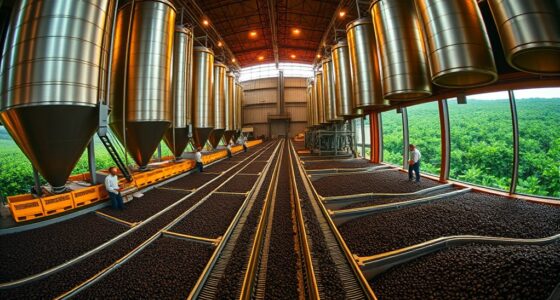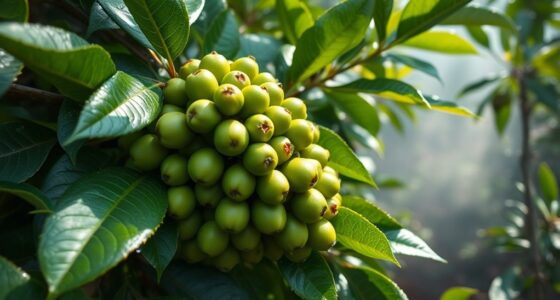

You’ll find that Loja and Pichincha offer two distinct sides of Ecuadorian coffee. Loja, with its traditional family farms and volcanic soil, delivers rich, culturally connected flavors that reflect local customs and history. Meanwhile, Pichincha’s diverse microclimates and modern techniques blend tradition with innovation, supporting vibrant communities and varied profiles. Both regions showcase Ecuador’s deep coffee heritage, each adding its own unique character. Keep exploring to discover the fascinating stories behind these coffee traditions.

Get coffee and tea gear delivered free — and shop member deals
- Fast, free delivery on millions of items
- Access to Prime Big Deal Days deals on October 6–7
- Prime Video, Amazon Music and more included
Key Takeaways
- Loja’s coffee emphasizes traditional methods, unique flavor profiles, and cultural heritage rooted in family farming and communal practices.
- Pichincha’s coffee blends urban influence with diverse microclimates, combining tradition and modern techniques for varied flavors.
- Both regions showcase Ecuadorian coffee as a cultural symbol, connecting history, community, and craftsmanship.
- Loja’s coffee reflects its volcanic soil and high-altitude environment, while Pichincha’s diversity results from its varied microclimates.
- Sustainable and preservation efforts ensure the continuation of traditional practices and cultural identity in both regions.
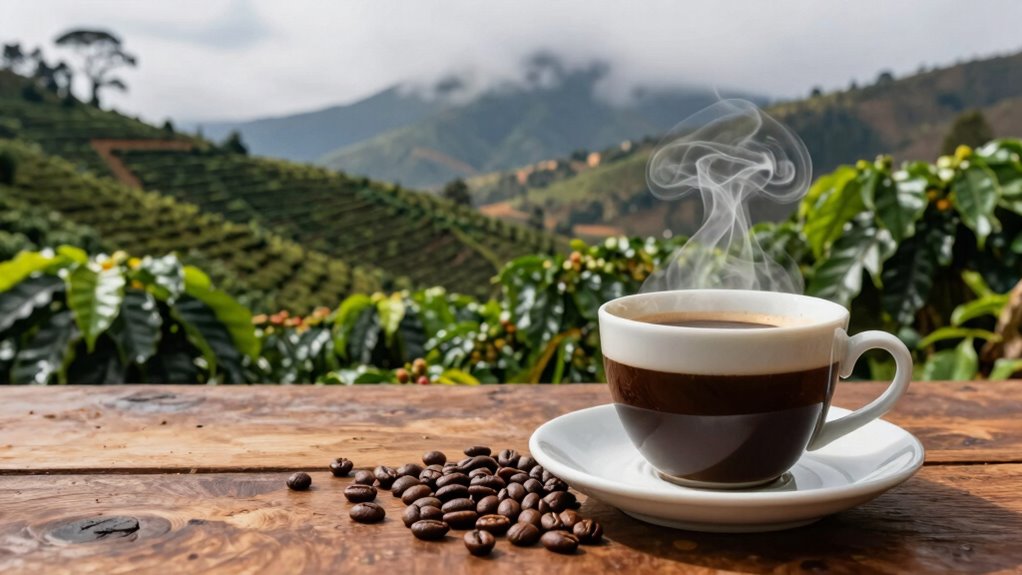
Nestled in Ecuador’s diverse landscape, Loja and Pichincha are two regions where coffee cultivation thrives, offering some of the country’s most distinctive brews. These areas aren’t just known for their high-quality coffee; they also hold deep cultural heritage tied to the traditions and history of the local communities. As you explore these regions, you’ll notice how coffee isn’t just a crop here—it’s an essential part of the local identity, woven into festivals, daily routines, and storytelling.
In Loja, the altitude and fertile volcanic soil create ideal conditions for coffee cultivation. Here, small family farms have passed down cultivation techniques for generations, preserving traditional methods that emphasize quality over quantity. The cultural heritage of Loja is reflected in the way coffee farming is intertwined with local customs. You’ll see farmers practicing age-old harvesting and processing techniques, often accompanied by local music and communal gatherings. This rich cultural backdrop enhances the flavor profiles of Loja’s coffee, giving each cup a sense of place and history. When you taste coffee from Loja, you’re savoring more than just a beverage; you’re experiencing a piece of the region’s cultural legacy.
Pichincha, encompassing the bustling capital of Quito and surrounding highlands, offers a contrasting yet equally compelling coffee scene. The region’s diverse microclimates and elevation shifts influence the variety and flavor of the coffee beans produced here. In Pichincha, coffee cultivation has evolved alongside urban development, but many local farmers still uphold traditional practices, blending them with modern techniques. The cultural heritage of Pichincha is evident in the way coffee is integrated into community life—whether through festivals celebrating coffee or local markets where beans are displayed with pride. As you engage with the local farmers, you’ll learn how coffee cultivation sustains not only the economy but also the cultural fabric of Pichincha, acting as a bridge between past and present. The traditional cultivation techniques are a testament to how deeply rooted coffee is in Ecuadorian culture and history. Additionally, efforts to promote sustainable farming practices help preserve the environment while supporting local communities. Recognizing the importance of coffee as a cultural symbol, many initiatives aim to preserve traditional methods while adapting to contemporary demands. These ongoing efforts ensure that coffee remains a vital cultural heritage that continues to thrive in Ecuador.
Both regions underscore Ecuador’s deep-rooted coffee culture, where the act of cultivating coffee is more than labor—it’s a celebration of cultural legacy. When you sip a cup from Loja or Pichincha, you’re partaking in a tradition that has been nurtured across generations. The unique flavors and stories behind each brew are a proof to how coffee cultivation in these areas preserves and celebrates their rich cultural histories. So, whether you’re exploring Loja’s mountainous farms or Pichincha’s vibrant markets, remember that each cup reflects a story of heritage, craftsmanship, and community that makes Ecuadorian coffee truly exceptional.
Ecuadorian coffee beans Loja Pichincha
As an affiliate, we earn on qualifying purchases.
As an affiliate, we earn on qualifying purchases.
Frequently Asked Questions
How Do Climate Differences Affect Coffee Flavor Profiles?
Climate differences considerably influence coffee flavor profiles through altitude variations and soil composition. Higher altitudes, like those in Loja, often produce beans with brighter acidity and complex flavors, while lower altitudes, such as in Pichincha, tend to yield fuller-bodied coffees. Soil composition also impacts taste, as nutrient-rich soils enhance richness and aroma. By understanding these factors, you can better appreciate how climate shapes each coffee’s unique flavor.
What Are the Traditional Brewing Methods in Loja and Pichincha?
In Loja and Pichincha, you’ll find traditional brewing methods rooted in coffee cultivation and roasting practices. Locals often prepare coffee using a moka pot or French press, highlighting the rich flavors from traditional roasting techniques. The process emphasizes slow extraction, allowing the nuanced taste of regional beans to shine. These methods preserve the cultural essence of Ecuadorian coffee, making each cup a reflection of local traditions and the unique climate influences.
Are There Local Coffee Festivals in These Regions?
Yes, you can experience local coffee celebrations in Loja and Pichincha. These festivals highlight regional coffee traditions, offering you a chance to taste specialty brews and learn about the area’s coffee heritage. During these events, locals showcase their unique brewing techniques and share stories behind their coffee. Attending these celebrations gives you an authentic insight into Ecuadorian coffee culture and the passion that fuels these vibrant regional traditions.
How Do Coffee Farming Practices Differ Between the Two Areas?
You’ll notice that coffee cultivation in Loja relies more on traditional, small-scale farming techniques, emphasizing hand-picking and organic methods. In contrast, Pichincha employs more modern farming techniques, integrating technology and irrigation systems to boost productivity. These differences impact the flavor profiles and sustainability of the coffee. Your experience with their coffee will reflect these diverse farming practices, highlighting Loja’s artisanal approach and Pichincha’s innovative methods.
What Sustainable Initiatives Support Coffee Production in These Regions?
Imagine your coffee’s journey as a shield protecting its origins. You’ll find initiatives like organic farming practices, which nurture the land, and coffee farm certifications that uphold quality and sustainability. These efforts act as guardians, ensuring that in Loja and Pichincha, farmers grow beans responsibly. By supporting such initiatives, you help preserve the environment and empower local communities, making each cup a symbol of mindful cultivation.
Conclusion
So, next time you sip that warm cup of Ecuadorian coffee, remember the rich stories of Loja and Pichincha. Some say Loja’s high-altitude beans bring a sweeter, more delicate flavor, while Pichincha’s volcanic soil adds boldness. Maybe it’s just a myth, or maybe nature’s magic truly shapes each brew. Either way, your coffee experience is a journey through Ecuador’s vibrant landscapes—where every sip tells a story.
Fall Picks
fall essentials
As an affiliate, we earn on qualifying purchases.