
The journey of a latte from café novelty to global icon is shaped by regional coffee cultures, brewing techniques, and craftsmanship. You see, each cup reflects a blend of tradition, artistry, and adaptation to local tastes. Skilled baristas perfect espresso extraction and milk steaming, creating a smooth, flavorful experience embraced worldwide. If you keep exploring, you’ll uncover how this beloved drink continues evolving, connecting people through centuries of brewing mastery and cultural exchange.
Key Takeaways
- The latte’s evolution reflects diverse cultural influences and regional coffee traditions worldwide.
- Mastery of brewing techniques, especially espresso extraction and milk steaming, elevates the beverage’s quality.
- Cultural exchange and craftsmanship have transformed the latte from a simple drink to a global icon.
- Variations in preparation and presentation showcase regional adaptations and local tastes.
- The latte embodies a blend of tradition, artistry, and cultural significance, connecting consumers globally.
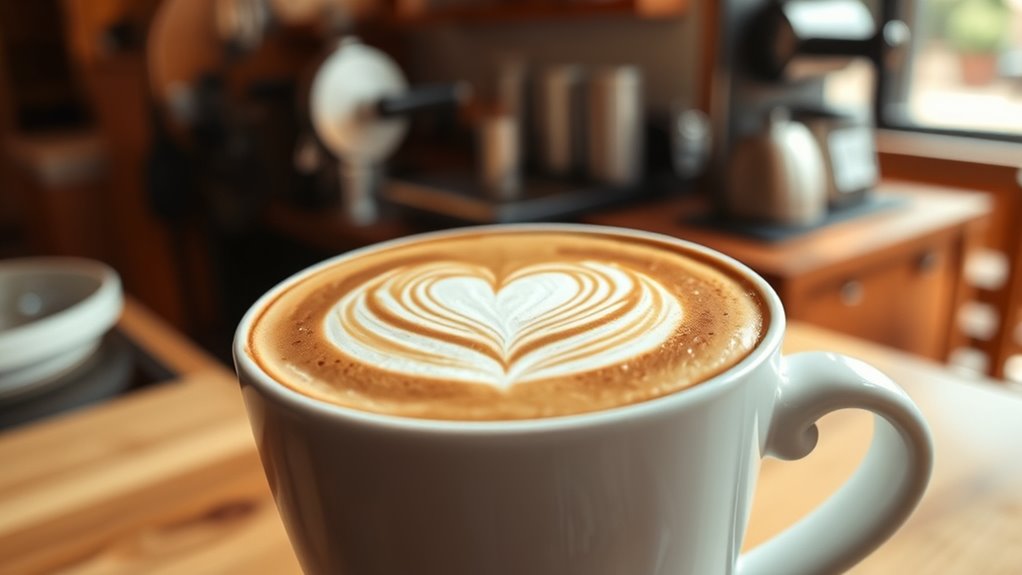
Have you ever wondered how a simple cup of latte travels from a barista’s machine to your hands? It’s a journey that begins with more than just coffee beans; it’s rooted in the rich traditions of coffee culture and refined brewing techniques. Coffee culture varies around the world, shaping how each latte is crafted and enjoyed. In some places, it’s about quick, efficient service, while in others, it’s an art form. Your latte’s journey is influenced by these cultural nuances, which determine not only the flavor but also the experience behind each cup.
The journey of your latte reflects global coffee traditions and craftsmanship behind every cup.
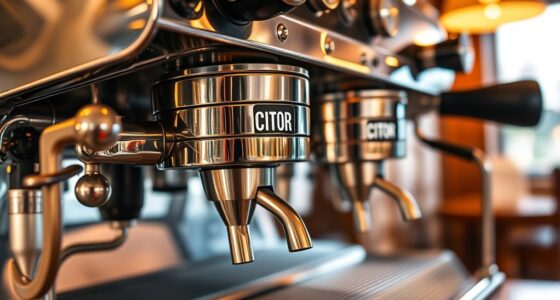
Brewing techniques play a pivotal role in transforming freshly ground coffee into that creamy, inviting beverage. The process starts with selecting quality beans—often sourced from specific regions known for their unique flavor profiles. Once the beans are roasted, they’re ground to a precise consistency tailored to the brewing method. Whether espresso, pour-over, or AeroPress, each technique extracts different nuances from the beans. For a latte, espresso is king, and mastering that extraction is essential. Baristas use high-pressure machines to force hot water through the finely ground coffee, creating a concentrated shot rich in flavor and aroma. This shot forms the heart of your latte, and the technique used during extraction impacts its strength, bitterness, and overall balance.
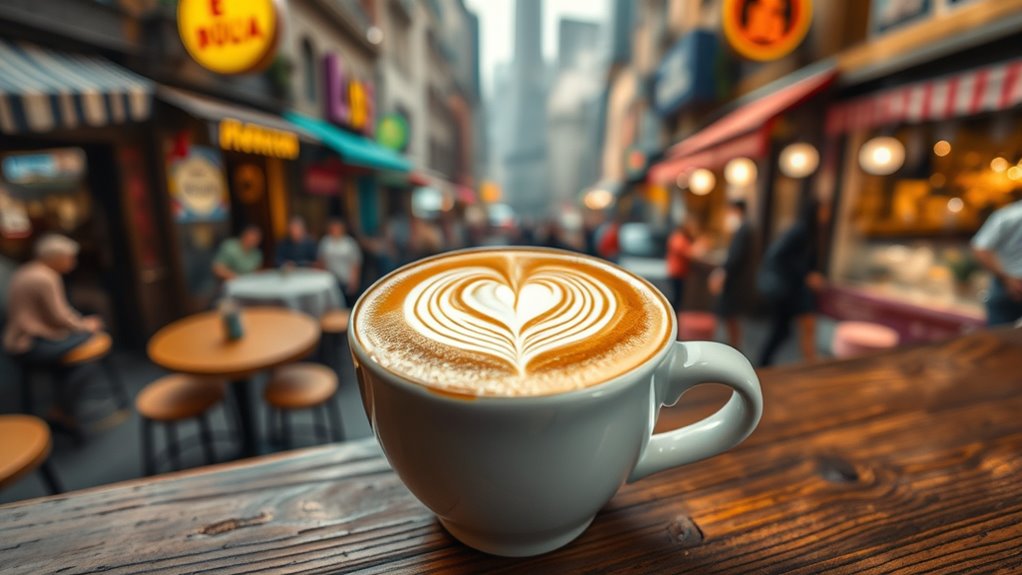
Next comes steaming milk to velvety perfection. The art of steaming involves more than just heating milk; it’s about creating microfoam that’s smooth and glossy, allowing for the signature latte art and a harmonious blend with the espresso. Skilled baristas control steam pressure and temperature, ensuring the milk complements the espresso without overpowering it. The combination of these brewing techniques—precise extraction and expert milk steaming—culminates in the latte you hold in your hands. Understanding these techniques can greatly enhance your appreciation of the craft behind each cup.
As coffee culture spreads globally, so do these brewing techniques, each adapting to local tastes and traditions. From Italy’s espresso-centric cafes to specialty coffee shops in Melbourne or Tokyo, the core techniques remain consistent but are often customized. This evolution helps elevate the latte from a simple caffeinated drink to a cultural icon. Your journey from a professional barista to your home or local café involves a blend of these traditions and techniques, making each latte a reflection of global coffee culture. So, next time you sip your latte, remember it’s the result of centuries of brewing mastery, cultural exchange, and a passion for coffee.
Frequently Asked Questions
What Are the Origins of the Latte’s Name?
You might be surprised to learn that the latte’s name comes from the Italian phrase “caffè latte,” meaning “milk coffee.” Its origins in coffee history trace back to Italy, where this term was used to describe a coffee with steamed milk. The naming origins highlight its simple yet descriptive roots, emphasizing the beverage’s key ingredients. Over time, “latte” became popular worldwide, symbolizing a creamy, milk-forward coffee drink.
How Has Latte Art Evolved Over Time?
You’ve likely noticed how latte art has evolved in coffee culture, transforming simple milk pours into intricate designs. Barista techniques have advanced, with skilled baristas mastering free pouring and etching to create detailed patterns. Over time, latte art has become a form of creative expression, reflecting personal styles and innovation. This progression not only enhances the visual appeal but also highlights the artistry behind every cup, elevating the coffee experience.
Which Countries Have Popularized the Most Unique Latte Variations?
You’ll notice that countries like Italy, Japan, and Australia have popularized unique latte variations by blending their regional coffee culture with innovative techniques. Italy’s rich espresso tradition influences classic styles, while Japan’s artistry shines through intricate latte art inspired by regional motifs. Australia’s flat white highlights local preferences. International barista competitions showcase these regional styles, fostering creativity and spreading unique latte variations worldwide.
What Impact Has Social Media Had on Latte Trends?
You might not realize it, but social media influence has transformed how you see and share latte trends. Viral latte trends spread rapidly online, inspiring baristas and coffee lovers worldwide. Platforms like Instagram and TikTok make it easy to showcase latte art and innovative flavors, turning simple drinks into visual spectacles. This coincidence of technology and creativity fuels a global obsession, making unique lattes a staple in cafes everywhere.
Are There Health Concerns Associated With Flavored Latte Drinks?
Yes, flavored lattes can pose health concerns due to high sugar content and artificial additives. When you indulge, you might consume excessive sugar, which can lead to weight gain, diabetes, and other health issues. Artificial additives, used to enhance flavor and color, may cause allergies or other adverse reactions. It’s best to enjoy flavored lattes in moderation and opt for healthier alternatives or ask for less syrup.
Conclusion
As you sip your latte, consider the journey it’s taken— from humble coffee farms to bustling cafés around the world. But this isn’t the end. Behind every frothy top lies stories of innovation, passion, and discovery. What’s next for this beloved drink? As the aroma lingers and you ponder, remember: the latte’s story is far from finished. Its next chapter could be just around the corner, waiting to surprise you.