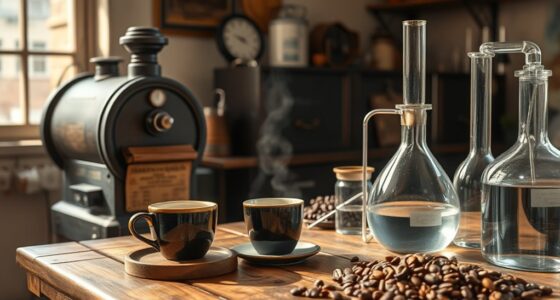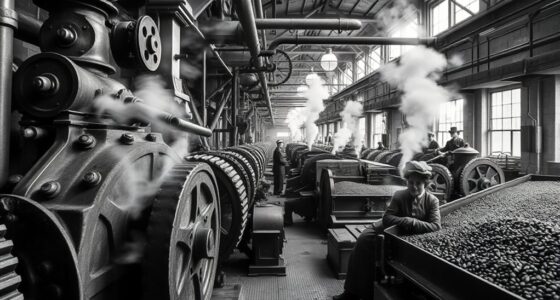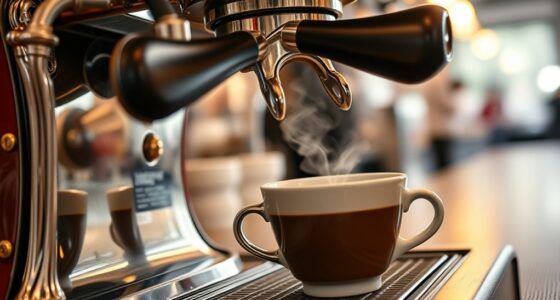
The invention of the espresso machine has marked key milestones, from early manual devices aimed at better extraction to modern machines with digital controls and precise pressure regulation. Innovations like steam pressure, piston systems, and automatic brewing made espresso more consistent and accessible. Each breakthrough improved flavor, aroma, and crema while simplifying operation, transforming café quality into home experiences. If you keep exploring, you’ll uncover even more breakthroughs shaping the art and science of espresso brewing.
Key Takeaways
- Early espresso machines focused on manual pressure techniques to extract rich flavors from coffee grounds.
- The development of steam pressure and piston-driven systems improved extraction consistency and crema formation.
- Mid-20th century innovations introduced semi-automatic and automatic machines, making espresso more accessible to consumers.
- Modern machines feature digital controls, pressure profiling, and pre-infusion technology for precise brewing.
- Technological milestones have enhanced espresso quality, consistency, and accessibility, transforming it into a popular home and café beverage.
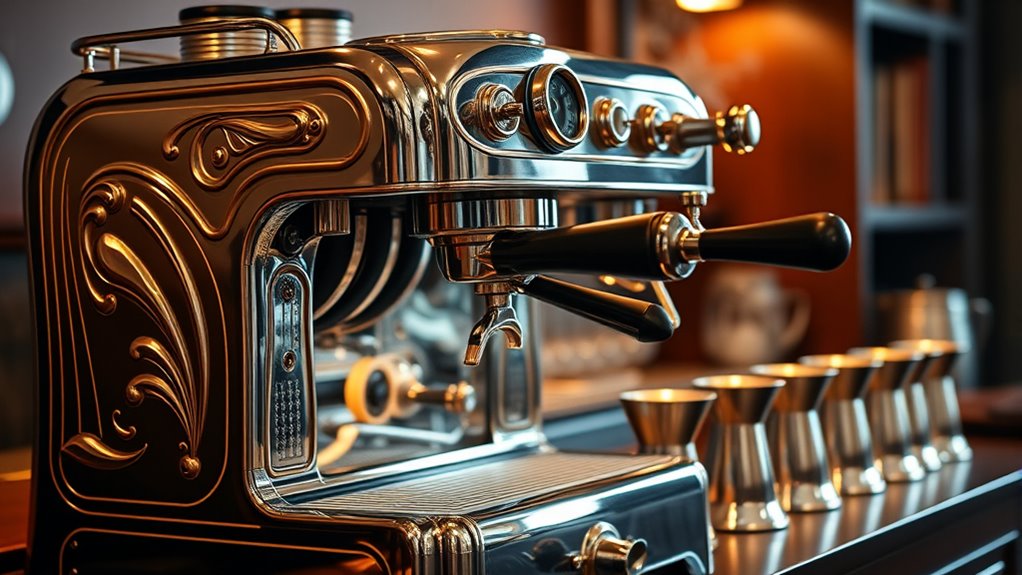
Have you ever wondered how espresso machines have evolved over the years? The journey of this iconic device is a fascinating story of innovation driven by the desire for better coffee. Early attempts at brewing espresso focused on refining coffee extraction, which is the process of dissolving coffee solids into water to produce that rich, concentrated shot we crave. Over time, advances in brewing technology allowed for more precise control over temperature and pressure, two critical factors that influence coffee extraction quality. These improvements meant that baristas could consistently produce a fuller flavor profile and achieve that signature crema, the golden foam on top of a perfect espresso shot.
The evolution of espresso machines reflects ongoing innovations in brewing for richer, more consistent coffee.
Initially, espresso machines were simple devices that relied on manual pressure, often requiring considerable effort to operate. As technology progressed, mechanized systems emerged, utilizing steam pressure to force hot water through finely ground coffee. This breakthrough marked a major milestone, making espresso more accessible and consistent. The introduction of piston-driven machines further enhanced brewing technology by allowing for more accurate pressure regulation, giving baristas the ability to fine-tune each shot. Such innovations directly impacted coffee extraction, helping to maximize flavor and aroma while minimizing bitterness or under-extraction.
In the mid-20th century, the development of semi-automatic and automatic espresso machines revolutionized the industry. These machines integrated electrical components that controlled water temperature and pressure, reducing the skill needed to produce a perfect shot. This shift not only improved consistency but also expanded the market beyond professional cafes to home kitchens. With these advancements, brewing technology became more user-friendly, enabling enthusiasts to experiment with variables like grind size, tamping pressure, and extraction time. As a result, coffee extraction became more precise, allowing for tailored flavors and richer textures.
The latest milestones in espresso machine evolution involve digital controls, programmable settings, and advanced boiler systems that maintain ideal brewing temperatures. Modern machines can monitor and adjust pressure and temperature in real-time, ensuring consistent coffee extraction with minimal effort. These technological improvements have made it easier for users to replicate professional-quality espresso at home. Furthermore, innovations like pressure profiling and pre-infusion enable a more nuanced control over the brewing process, unleashing complex flavors in the coffee. Additionally, the incorporation of innovative brewing tech has further enhanced the precision and consistency of espresso extraction. Overall, each milestone has contributed to refining brewing technology, making espresso more flavorful, aromatic, and accessible for everyone. As you explore different machines, you’ll notice how these innovations continue to shape the art and science of espresso making, bringing the café experience right into your kitchen.
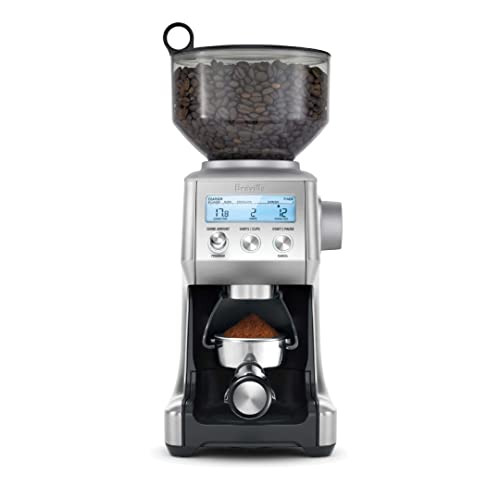
Breville BCG820BSS Smart Grinder Pro for Coffee and Espresso, Brushed Stainless Steel
The Breville Smart Grinder Pro includes 60 unique settings – this programmable conical burr grinder offers a wide...
As an affiliate, we earn on qualifying purchases.
Frequently Asked Questions
Who Invented the First Espresso Machine?
You might be surprised to learn that Angelo Moriondo invented the first espresso machine in 1884. His innovative machine design revolutionized coffee brewing by using steam pressure to quickly produce a concentrated shot of espresso. Moriondo’s invention laid the foundation for future developments in espresso machine technology, transforming how people enjoy coffee worldwide. His work marked a significant milestone in the evolution of coffee brewing, influencing countless designs that followed.
How Did Early Espresso Machines Differ From Modern Ones?
You’re asking how early espresso machines differ from modern ones, and it’s like comparing floppy disks to cloud storage. Back then, machines relied on simpler pressure brewing and lacked thermal stability, making temperature control tricky. Today’s machines feature advanced pressure systems and precise temperature regulation, ensuring consistent shots. Those early designs were more manual, less reliable, and harder to operate, while modern ones are smarter, faster, and more consistent for your perfect espresso every time.
What Technological Advances Improved Espresso Machine Efficiency?
You see, technological advances like pressure control, temperature stability, and automated brewing have considerably improved espresso machine efficiency. These innovations optimize the brewing process, extracting maximum flavor from coffee beans faster and more consistently. You benefit from quicker, richer shots, thanks to precise pressure and temperature adjustments. Modern machines also use sensors and digital controls, making the brewing process more reliable and easier, ensuring you get perfect espresso every time.
When Did Espresso Machines Become Widely Available Commercially?
You might think espresso machines have always been a staple, but they only became widely available commercially in the early 20th century. Market adoption accelerated post-1950s, when innovative designs and improved efficiency made them accessible beyond specialized cafes. Today, they’re a common household item, proving that what was once a luxury slowly became a daily essential, transforming coffee culture worldwide.
Are There Different Types of Espresso Machines Worldwide?
Yes, you’ll find different types of espresso machines worldwide. Some still rely on manual brewing, where you control every step for a personalized shot, while others feature advanced automated systems that simplify the process with just a push of a button. Whether you prefer traditional manual machines or modern automated ones, each type offers a unique experience, catering to both coffee enthusiasts and casual drinkers across various countries.

SHARDOR Professional 64mm Burr Coffee Grinder with 100 Grind Settings and All-Metal Chamber, Coffee Bean Grinder with Adjustable Electronic Timer and LED Display, Anti-Static,Black
64mm Flat Burr: Achieves uniform grinding with minimal heat generation, enhancing the flavor profile for a superior taste...
As an affiliate, we earn on qualifying purchases.
Conclusion
Now that you know the incredible milestones of the espresso machine, imagine holding one of these marvels in your hands—an ancient artifact that transformed your mornings into a symphony of rich aromas and bold flavors. It’s not just a machine; it’s a time-traveling legend that fuels your day and sparks your passion for coffee. With each sip, you’re part of history, revolutionizing your routine and releasing the extraordinary in every cup.

Neretva Espresso Grinder, 2 in 1 Professional Coffee Bean Grinder Stainless Steel Suit 51~58mm Portafilter Burr Coffee Grinder 30 Precise Setting&Anti-Static for Espresso/French Press/Drip/Moka-Silver
PROFESSIONAL CONICAL BURR COFFEE GRINDER- WIth new upgraded 3.0 conical burr grinding technoloy, the coffee grinder ensures that...
As an affiliate, we earn on qualifying purchases.

SHARDOR Conical Burr Espresso Coffee Grinder Electric with Precision Timer 2.0, Touchscreen Adjustable Burr Mill with 51 Precise Settings for Home Use, Anti-static, Stainless Steel
Premium 40 Millimeter Stainless Steel Conical Burr: Designed to minimize grinding heat and protect the essential oils in...
As an affiliate, we earn on qualifying purchases.