Kaldi’s story, involving a goat herder discovering energizing effects from coffee cherries, is a famous legend about coffee’s origins, though its accuracy is debated. These stories helped spread coffee’s reputation from Ethiopia, highlighting its spiritual and social significance. Throughout history, legends grew around coffee’s divine and miraculous qualities, shaping cultural traditions worldwide. If you keep exploring, you’ll uncover how these myths transformed coffee into a global cultural icon.
Key Takeaways
- The legendary goat herder Kaldi discovered coffee after noticing energized goats eating red cherries.
- Coffee’s origins trace back to Ethiopia’s highlands, where legends emphasize its spiritual and social significance.
- Early stories depict coffee as divine or miraculous, enhancing its revered status across cultures.
- Legends contributed to coffee’s spread from Ethiopia to the Arabian Peninsula, embedding mystical qualities in its culture.
- Modern coffee traditions still draw on these legendary origins, blending history, myth, and cultural identity.
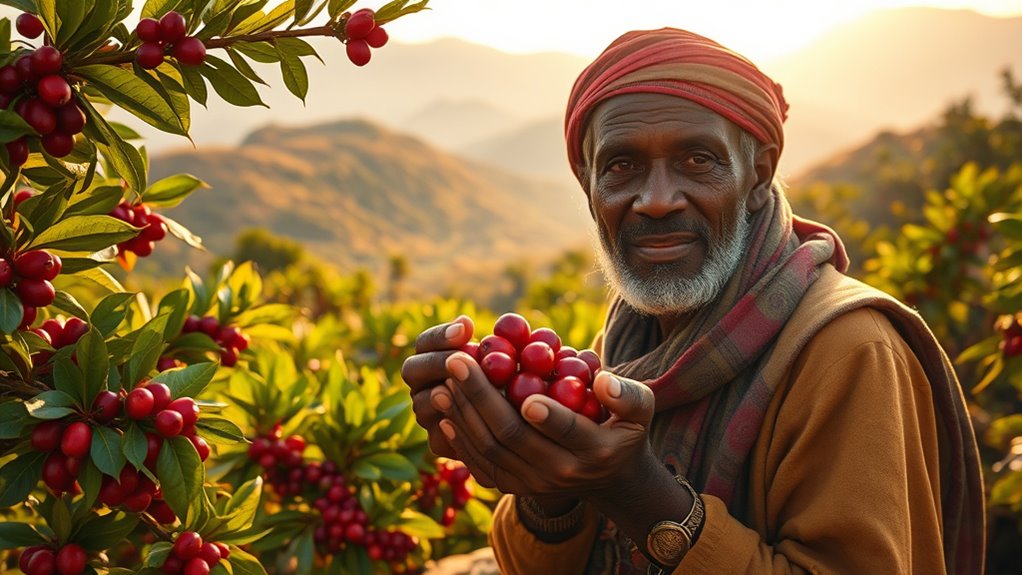
Have you ever wondered how speech recognition systems have evolved over the years? Well, exploring the origins of coffee can be just as fascinating. The story of coffee’s discovery is filled with intriguing historical legends that have shaped its journey through time. These legends aren’t just myths—they offer a glimpse into the culture and beliefs of ancient civilizations that first cultivated coffee. You might have heard about the legendary goat herder Kaldi, who, according to tales, discovered coffee when his goats started eating bright red cherries from a strange bush and became energized. This story, though possibly apocryphal, has become a symbol of coffee’s energizing properties. It highlights the early fascination with coffee’s invigorating effects and its significance in social and spiritual contexts.
From Ethiopia, where the legends originate, coffee cultivation began centuries ago. The plant thrived in the highlands, and early farmers noticed how the cherries ripened with vivid color and a unique aroma. These legends helped explain how coffee spread from its native land, fueling curiosity and trade. As traders carried coffee beans across regions, stories about its divine origins and miraculous effects grew, influencing how societies valued and cultivated it. These tales reinforced coffee’s importance, making it more than just a beverage—it’s part of cultural identity and history. Early legends also suggest that coffee was used in religious rituals, believed to have spiritual powers that could aid in prayer and meditation.
Over the centuries, coffee cultivation expanded beyond Ethiopia, reaching the Arabian Peninsula, where it became deeply embedded in social customs. The legends persisted, with stories emphasizing its mystical qualities. These stories served as oral traditions, passing down knowledge about how to grow and prepare coffee, shaping early agricultural practices. Today, coffee cultivation is a global industry, but the legends remain a crucial part of its history. They remind us of the cultural roots and the enduring fascination with this beloved beverage. Additionally, the integration of AI in technology continues to influence modern coffee production and distribution methods, making the industry more efficient and innovative. They also reflect humanity’s long-standing desire for connection, stimulation, and comfort, all embodied in that first sip of coffee. So, as you enjoy your morning brew, remember that behind every cup is a story—rich with legends and centuries of tradition—that continues to influence coffee cultivation and culture worldwide.
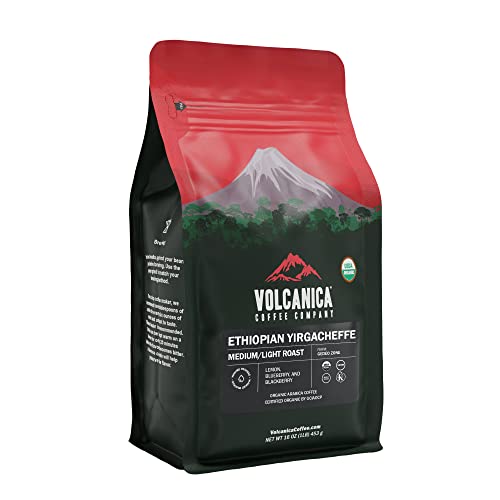
Ethiopian Coffee, Yirgacheffe Region, USDA Organic, Whole Bean, Kosher, Fresh Roasted, 16-ounce
100% Pure Ethiopian Coffee Beans – Yirgacheffe, Medium-bodied and brilliantly acidy with rough, fruity or winy tones. Thick…
As an affiliate, we earn on qualifying purchases.
As an affiliate, we earn on qualifying purchases.
Frequently Asked Questions
Are There Any Alternative Origin Stories for Coffee Worldwide?
Yes, there are several mythical origins and regional legends about coffee worldwide. You might hear stories from Ethiopia about a goat herder named Kaldi, or tales from Yemen about monks discovering its energizing effects. In some cultures, coffee’s origins are linked to divine gifts or mystical beings. These legends reflect the rich cultural history and fascination with coffee’s mysterious beginnings, adding to its global allure and legendary status.
How Did Ancient Trade Routes Influence Coffee’s Spread?
Trade routes played a vital role in spreading coffee by connecting regions through trade and cultural exchange. You can see how merchants carried coffee beans and brewed beverages along routes like the Silk Road and across the Arabian Peninsula. These routes facilitated not only the movement of coffee but also the exchange of cultures, recipes, and brewing techniques, helping coffee become a global phenomenon. Your appreciation for coffee’s history is deeply tied to these ancient trade networks.
What Are the Cultural Impacts of Coffee in Different Regions?
You experience the rich cultural impacts of coffee through unique coffee rituals that vary across regions, reflecting local traditions and values. These rituals often foster social bonding, bringing communities together during shared moments over a cup. In many places, coffee serves as a symbol of hospitality and connection, enhancing social cohesion and cultural identity. By participating in these rituals, you gain insight into how coffee influences social life worldwide.
Did Other Animals Besides Goats Play a Role in Coffee Discovery?
You might think only goats played a role in coffee’s legendary discovery, but animal mythologies suggest other creatures, like monkeys, may have influenced legendary discoveries. These stories evoke emotion by highlighting how humans have long observed and learned from animals, inspiring cultural myths. While goats remain central to coffee legends, it’s fascinating to contemplate how different animals could have contributed to the rich tapestry of coffee’s origin stories across various cultures.
How Have Legends Shaped Modern Coffee Cultivation Practices?
You see, mythical origins and legendary influences have greatly shaped modern coffee cultivation practices. These stories inspire growers to preserve traditional methods and emphasize quality, sustainability, and ethical sourcing. By honoring these legends, you’re encouraged to maintain the cultural heritage behind coffee, ensuring that each harvest respects its storied past. This connection to legends fosters a deeper appreciation and commitment, ultimately influencing how coffee is cultivated and enjoyed worldwide today.

Hamilton Beach Fresh Grind Electric Coffee Grinder for Beans, Spices and More, Stainless Steel Blades, Removable Chamber, Makes up to 12 Cups, Black
REDUCE CLUTTER WITH HIDDEN CORD STORAGE: Hideaway cord storage under the base keeps cable neat, concealed when not…
As an affiliate, we earn on qualifying purchases.
As an affiliate, we earn on qualifying purchases.
Conclusion
As you sip your coffee, remember Kaldi’s legend isn’t just about a curious goat or a miraculous discovery; it’s a reminder that even the simplest moments hold extraordinary stories. Like a seed planted in fertile ground, these origin tales remind us that every cup connects us to a rich tapestry of history and passion. So, next time you enjoy your brew, ponder the timeless dance between nature and human curiosity—true alchemy in every sip.

Veken French Press Coffee Maker 34oz, No Plastic Touching Cafe,Thickened Glass Stainless Steel Brewer, Cold Brew Cafetera Tea pot for Kitchen Travel Camping, Gifts, Decor, Bar Accessories, Dark Pewter
No Plastic Touching Food: Made with 304 stainless steel and food-grade silicone, our French press keeps all brewing…
As an affiliate, we earn on qualifying purchases.
As an affiliate, we earn on qualifying purchases.

WISELIFE Coffee Mat Super Absorbent Dish Drying Mat Coffee Bar Accessories Match with Machine Large Drying Mats for Kitchen Counter 12" W x 19" L, Black
Keep Clean: use the coffee mat to prevent coffee stains, milk stains, and any other dark, dirty stains;…
As an affiliate, we earn on qualifying purchases.
As an affiliate, we earn on qualifying purchases.