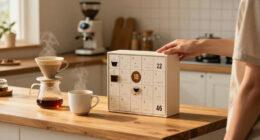
To design a welcoming café, focus on a balanced mix of lighting, layout, and flow. Use warm, layered lighting to create cozy zones and brighter areas for social hubs. Arrange tables thoughtfully to promote ease of movement and avoid congestion, with diverse seating options for different needs. Plan a smooth flow from entrance to seating and service areas to enhance comfort. Keep exploring ways to optimize these elements for a space customers will want to return to.

Get coffee and tea gear delivered free with Prime
- Fast, free delivery on millions of items
- Prime Video, Amazon Music and more included
- Member-only deals all year
Key Takeaways
- Combine natural and artificial lighting to create a layered, inviting atmosphere with zones for activity and intimacy.
- Arrange seating to promote easy movement, avoid congestion, and define functional areas like conversation spots and reading nooks.
- Design clear pathways from entrance to seating and service areas to enhance flow and prevent bottlenecks.
- Use lighting strategically to highlight focal points, set moods, and energize communal zones.
- Apply interior design principles to balance ambiance, layout, and flow, encouraging longer stays and repeat visits.

A well-designed café creates an inviting atmosphere that keeps customers coming back. It’s not just about good coffee; it’s about how the space feels, looks, and functions. When you focus on ambiance creation, you’re shaping the overall vibe that makes patrons want to settle in and relax. A key part of this is the seating arrangement — how you organize your furniture and define different zones. Thoughtfully planned seating encourages comfort and social interaction, and it guides the flow of your space. You want to create areas where people can work quietly, catch up with friends, or enjoy a quick coffee without feeling cramped or lost in chaos.
Start by considering the various needs of your customers. Place a mix of seating options, such as cozy booths, communal tables, and individual seats, so everyone finds a spot that suits their mood. The arrangement should promote easy movement and avoid congestion. For example, leave enough space between tables for servers to navigate and for customers to pass comfortably. You might also want to create focal points or conversation areas, which can be achieved by clustering seats around a fireplace or a piece of art. This not only enhances ambiance creation but also encourages customers to linger longer.
Design your seating to suit diverse needs, promote easy movement, and create inviting focal points for a welcoming café atmosphere.
Lighting plays a crucial role in complementing your seating arrangement. Use a combination of natural light and well-placed artificial lighting to make the space inviting at any time of day. Soft, warm lights can highlight certain areas, such as a reading nook or a window seat, while brighter lighting can energize communal spaces. When designing your layout, consider how lighting interacts with your seating choices to set the right mood — dimmer lights for intimate corners, brighter for activity zones. This layered approach to lighting and seating creates a dynamic environment that feels both welcoming and functional. Incorporating interior design principles can help optimize how your space feels and functions.
Flow is equally critical. You want customers to move naturally through your space without feeling like they’re navigating a maze. Position your tables and chairs to facilitate smooth traffic flow, avoiding bottlenecks near the entrance, counter, or restrooms. Clear pathways should lead from the door to the ordering area and seating zones, guiding customers effortlessly. This seamless flow enhances the overall experience, making your café more enjoyable and efficient. When your ambiance creation and seating arrangement work harmoniously with thoughtful lighting and layout, you cultivate a space that feels both cozy and practical — encouraging patrons to stay longer and return often.
As an affiliate, we earn on qualifying purchases.
Frequently Asked Questions
How Does Ambient Lighting Affect Customer Mood?
Ambient lighting markedly influences your customers’ mood by creating a welcoming and comfortable atmosphere. Soft, warm lighting effects foster relaxation and friendliness, making patrons feel at ease. Bright, cool lighting, on the other hand, energizes and invigorates, encouraging longer stays or social interaction. You can intentionally adjust ambient mood through lighting choices, shaping how customers perceive your café and enhancing their overall experience.
What Are Best Practices for Designing Accessible Café Layouts?
You should prioritize accessible café layouts by arranging seating to accommodate all customers comfortably, including those with mobility challenges. Guarantee clear pathways free of obstructions and use visible, high-contrast signage for easy navigation. Position seating arrangements to allow easy movement and access to counters. Regularly check that signage visibility is maintained and seating options suit diverse needs. This approach creates an inclusive environment that welcomes everyone and enhances overall customer experience.
How Can Natural Light Be Optimized in Small Cafés?
You can optimize natural light in small cafés by maximizing window treatments like sheer curtains or adjustable blinds, which control glare and distribute light evenly. Incorporate daylight harvesting techniques, such as light sensors that adjust artificial lighting based on natural light levels, saving energy and enhancing ambiance. Studies show that well-lit spaces increase customer satisfaction by 30%, so making the most of available sunlight creates a welcoming, vibrant atmosphere.
What Is the Ideal Flow for High-Traffic Café Areas?
You should prioritize a clear, intuitive traffic management system by designing wide customer pathways that prevent bottlenecks. Place the ordering counter and pick-up stations strategically to streamline flow, and keep high-traffic areas open and unobstructed. Use visual cues like floor markings or lighting to guide customers smoothly through the space. This approach guarantees efficient movement, reduces wait times, and enhances overall customer experience in high-traffic café zones.
How Does Lighting Influence Perceived Café Cleanliness?
Lighting plays a vital role in how clean your café appears. Bright, well-maintained lighting enhances visibility, making dirt and clutter easier to spot, which supports high cleaning standards. Regular lighting maintenance prevents dim spots that hide messes, ensuring your space looks spotless. When your lighting is effective, customers perceive your café as cleaner and more inviting, boosting their confidence in your hygiene practices and overall experience.
Conclusion
Remember, your café’s design is like a well-orchestrated symphony. When lighting, layout, and flow work in harmony, customers feel welcomed and comfortable, enthusiastic to return. I once visited a cozy cafe where thoughtful lighting and intuitive seating kept the energy lively but relaxed—like a perfectly brewed cup of coffee. Prioritize these elements, and your space will not just serve coffee but create an experience, turning fleeting visits into loyal memories.
Fall Picks
fall essentials
As an affiliate, we earn on qualifying purchases.