
TL;DR

Get coffee and tea gear delivered free with Prime
- Fast, free delivery on millions of items
- Prime Video, Amazon Music and more included
- Member-only deals all year
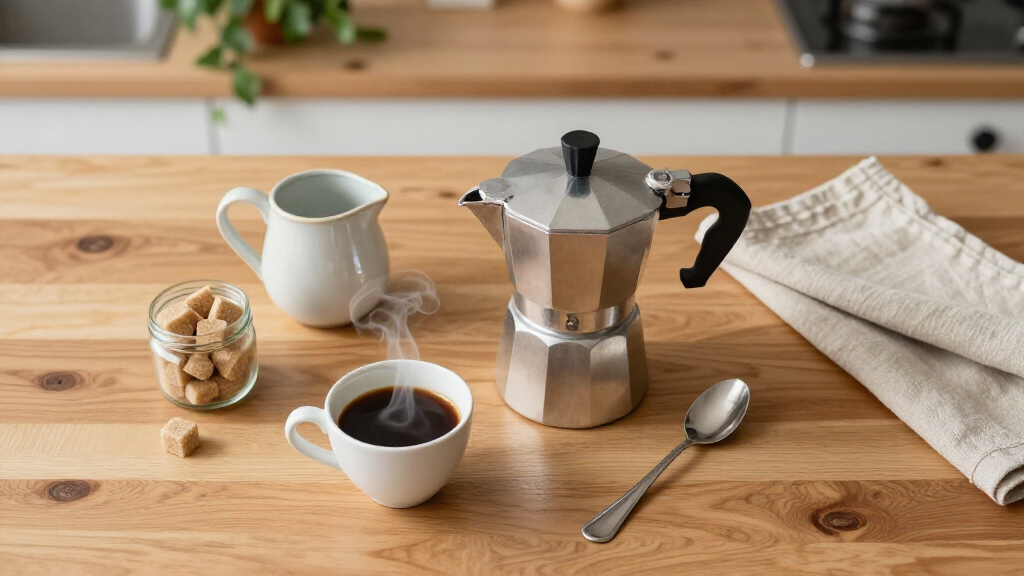
The moka pot brews concentrated coffee at 1–2 bar pressure, not espresso-level. Proper technique involves correct grind, water level, heat, and timing. This guide explains how to make authentic Italian stovetop coffee.
The moka pot remains a staple in Italian households, offering a simple yet effective way to brew concentrated coffee. This guide confirms the proper method to achieve authentic flavor, emphasizing that the moka pot is not an espresso machine but a distinct brewing device.
The moka pot operates at approximately 1–2 bar of pressure, significantly lower than the 9 bar used in espresso machines. It produces a full-bodied, mildly sweet coffee called caffè della moka, which is closer in strength to espresso but with a softer texture. The key to a good brew lies in proper technique: filling the water just below the safety valve, using a medium-fine grind, avoiding tamping, and keeping the heat medium-low.
Experts advise filling the water chamber to just below the pressure release valve, using room-temperature water for simplicity, and grinding coffee to a consistency similar to sand. The grounds should be loosely filled and leveled without tamping, as excessive pressure can cause leaks or sputtering. During brewing, the heat should be kept below the base of the pot, and the coffee should rise slowly as a honey-colored stream. Once the stream turns pale and surges, the heat should be turned off immediately to prevent bitterness.
Stirring the coffee before serving ensures even flavor distribution, and regular maintenance of the gasket and chamber seals prolongs the pot’s lifespan. For more detailed steps, see the original analysis and learn how to perfect your moka pot ritual.
Why Correct Moka Pot Technique Matters
Understanding and applying proper moka pot brewing techniques is essential for achieving authentic Italian-style coffee. Many outside Italy mistakenly treat the moka like an espresso machine, resulting in bitter, scorched-tasting coffee. Correct technique preserves the soft, full-bodied profile that makes this method unique. For millions of Italians, the moka pot is more than a coffee maker; it’s a daily ritual that connects them to their cultural heritage. Proper use also extends the life of the device and improves overall coffee quality, making it a valuable skill for home brewers worldwide.
As an affiliate, we earn on qualifying purchases.
Historical and Cultural Context of the Moka Pot
The moka pot was invented in 1933 by Alfonso Bialetti, and its iconic octagonal design has remained largely unchanged, symbolizing Italian domestic life. It offers a quick, affordable way to produce strong, aromatic coffee without electricity or complex machinery. Despite its widespread popularity, many users outside Italy misunderstand its function, often attempting to brew espresso or using incorrect grind sizes, which leads to poor results. The device’s simplicity and cultural significance have kept it a staple in Italian homes for nearly a century, with estimates suggesting that 90% of Italian households own at least one moka pot.
In recent years, specialty coffee enthusiasts have begun to explore the moka’s potential for nuanced flavor extraction, emphasizing the importance of technique over equipment. This renewed interest highlights the moka pot’s unique place in coffee history and its enduring appeal as a ritualistic, accessible brewing method.
“The moka pot is a simple device that makes strong, aromatic coffee in minutes.”
— Alfonso Bialetti (historical reference)
Current Debates and Common Misunderstandings
While the basic steps for brewing with a moka pot are well established, questions remain about optimal grind size variations for different models and how to precisely control temperature for nuanced flavor extraction. Some users question whether preheating water or adjusting heat during brewing can improve results; these practices are debated among enthusiasts. Additionally, the impact of different coffee origins and roast levels on moka brewing is still being studied, with no standardized guidelines yet established.
Future Trends in Moka Pot Coffee Preparation
In the coming years, more home baristas may experiment with temperature control and grind adjustments to refine moka brewing. Innovations in gasket materials and chamber design could improve consistency and ease of use. Moreover, educational efforts—through videos, workshops, and detailed guides—aim to correct misconceptions and promote authentic techniques worldwide. As interest in traditional and artisanal coffee methods grows, the moka pot’s role as a cultural icon and practical device is likely to deepen, inspiring new generations of coffee lovers.
Key Questions
Is the moka pot the same as an espresso machine?
No, the moka pot brews at roughly 1–2 bar of pressure, far below the 9 bar typical of espresso machines. It produces a concentrated coffee called caffè della moka, which is similar in strength but different in texture and crema.
Can I use pre-ground coffee for my moka pot?
Yes, use a medium-fine grind labeled for moka pots, ideally from Italian brands like Lavazza or Kimbo. Avoid using espresso grind or too coarse a grind to prevent poor extraction.
How do I prevent my coffee from tasting bitter or burnt?
Ensure you use the correct grind size, fill the water just below the safety valve, keep the heat medium-low, and remove the pot once the coffee stream turns pale. Avoid rushing the process with high heat.
How often should I clean my moka pot?
Regular cleaning involves rinsing all parts with warm water after each use and replacing the gasket or seals as needed to maintain proper pressure and prevent leaks. Avoid using soap or abrasive cleaners.
Can I make different coffee strengths with a moka pot?
Yes, adjusting the grind size, water level, and brewing time can influence strength and flavor. Experimenting within recommended parameters allows for personalized results.
Source: Mad Tasting
Columbus Day / Indigenous Peoples' Day Picks
long weekend sales
As an affiliate, we earn on qualifying purchases.