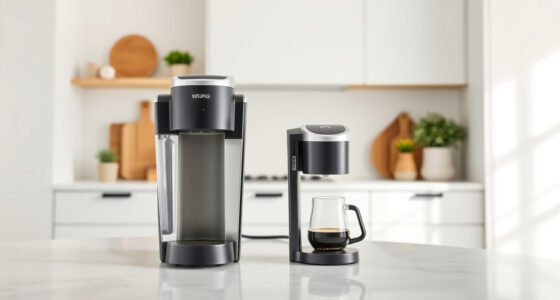
🔍 Read the full analysis: The Espresso Machine Question: Is It Time To Upgrade From The Moka? on Mad Tasting

Get coffee and tea gear delivered free with Prime
- Fast, free delivery on millions of items
- Prime Video, Amazon Music and more included
- Member-only deals all year
TL;DR
A moka pot brews strong, concentrated coffee at 1-2 bar, while espresso machines operate at around 9 bar with precise control. Upgrading depends on your coffee style preferences and budget, especially for grinder quality.
Recent developments in home coffee equipment have made espresso machines more accessible and affordable for enthusiasts seeking café-quality brews. This ongoing trend reflects a growing interest in precise control over brewing variables and the desire for a broader range of coffee styles at home, as detailed in the original analysis. While the traditional moka pot remains popular for its simplicity and rich flavor, the market now offers a variety of semi-automatic and automatic espresso machines that cater to different skill levels and budgets. This analysis examines the implications of this shift and what it means for coffee lovers considering an upgrade.
The moka pot operates at roughly 1–2 bar of steam pressure, producing a concentrated, full-bodied coffee that is closer to a strong filter brew than true espresso. Despite its nickname as a ‘stovetop espresso maker,’ it creates a different drink—rich and aromatic but lacking the creamy, syrupy texture and stable crema of real espresso. The flavor profile is often described as intense, sometimes slightly bitter, with a chocolatey depth. For many, it’s a morning ritual rooted in tradition, especially in Italy, where the moka was invented in 1933 by Alfonso Bialetti.
In contrast, a dedicated espresso machine brews at around 9 bar of pressure, with tightly controlled temperature, grind size, dose, and extraction time. This allows for a consistent, complex shot that can be customized for flavor and texture. However, achieving quality espresso demands more from the user: precise grinding, tamping, and maintenance, along with a significant financial investment. The typical starting price for a good home espresso machine ranges from hundreds to thousands of dollars, often excluding the cost of a suitable grinder and accessories.
Another critical factor is the grinder. Many first-time buyers underestimate the importance of a high-quality, espresso-capable grinder. Most inexpensive or general-purpose grinders cannot produce the fine, consistent grounds needed for espresso, leading to sour, muddy, or inconsistent shots. A proper grinder can cost 40–60% of the machine’s price and is essential for successful brewing, as discussed in the detailed coverage. Without it, even the most expensive espresso machine will underperform, making the upgrade less worthwhile than expected.
Why Deciding on an Upgrade Matters for Coffee Enthusiasts
Choosing whether to upgrade from a moka pot to an espresso machine impacts your daily coffee routine, flavor profile, and long-term investment. For those who prefer the bold, aromatic qualities of moka coffee, an espresso machine may not offer a better experience—just a different one. However, for drinkers seeking consistent, complex espresso shots or milk-based drinks like cappuccinos and lattes, a machine provides greater control and versatility. The decision also involves evaluating the hidden costs, particularly for a quality grinder and ongoing maintenance, which can significantly increase the overall investment. Understanding these tradeoffs helps consumers make informed choices aligned with their preferences and budgets.
As an affiliate, we earn on qualifying purchases.
The Evolution of Home Coffee Equipment and Expectations
The moka pot, invented in 1933, became a symbol of Italian mornings, offering a simple, affordable way to brew strong coffee without electricity. Over the decades, it has remained popular due to its simplicity and distinctive flavor. Meanwhile, the rise of specialty coffee and café culture has driven demand for home espresso machines, which can produce a variety of coffee styles with precise control. Early home models were expensive and complex, but recent advancements have made semi-automatic and automatic machines more accessible, though still costly. This shift reflects a broader trend: consumers increasingly seek barista-quality coffee at home, but the fundamental differences in brewing methods mean the two devices are not interchangeable, only complementary for different preferences.
Prior discussions among coffee aficionados have emphasized that upgrading depends on desired outcomes—whether flavor, convenience, or versatility. While some users have successfully transitioned to espresso machines, many continue to cherish their moka pots for their simplicity and flavor profile. The ongoing debate centers on whether the investment yields enough benefit for individual tastes and routines.
“The moka pot produces strong, aromatic coffee at roughly 1–2 bar, which is not true espresso but a different style of concentrated brew. Upgrading to an espresso machine is about switching to a different drink, not necessarily a better one.”
— Mad Tasting
What Aspects of Upgrading Remain Unclear?
It is still unclear whether the average home user will notice a significant improvement in flavor and experience when switching from a moka pot to an entry-level espresso machine, given the costs and learning curve involved. Additionally, the long-term satisfaction depends heavily on the user’s willingness to learn and maintain the equipment. The specific impact of different grinder qualities on shot consistency and flavor also varies, making it difficult to prescribe a one-size-fits-all solution. Further research and user experiences are needed to determine at what point the upgrade becomes genuinely worthwhile for different types of coffee drinkers.
Next Steps for Coffee Lovers Considering an Upgrade
Consumers should evaluate their coffee preferences—whether they value the bold, aromatic profile of moka coffee or desire the versatility of espresso-based drinks. Before purchasing an espresso machine, investing in a high-quality grinder and learning proper brewing techniques is essential. Trialing different brewing methods at specialty cafés or trying demo models can help gauge whether the upgrade aligns with personal taste and routine. For those committed to espresso, the next step is selecting a machine that fits their budget and space, coupled with education on proper extraction. For moka lovers content with their current setup, continuing with their traditional brew remains a valid choice.
Key Questions
Is upgrading to an espresso machine worth it for a home coffee enthusiast?
It depends on your taste preferences and willingness to invest in equipment and learning. If you want café-style espresso shots and milk drinks, an espresso machine can be worthwhile. If you prefer the strong, aromatic flavor of moka coffee, sticking with your moka pot may be best.
What additional equipment do I need to make good espresso at home?
A high-quality, espresso-capable grinder is essential, along with a suitable machine, a tamper, a scale for dosing, and proper cleaning supplies. The grinder often accounts for a significant portion of the overall investment.
Can I get good espresso with a budget machine?
Entry-level espresso machines can produce decent shots if paired with a good grinder and proper technique. However, more affordable models may have limitations in temperature stability and control, affecting consistency.
Will I need to learn new skills to use an espresso machine?
Yes, making good espresso involves learning how to grind, dose, tamp, and dial in extraction parameters. It requires some practice but can be rewarding for dedicated coffee enthusiasts.
Is the flavor difference worth the upgrade?
This is subjective; espresso offers a different, often more complex flavor profile with crema and texture, but moka coffee has its own rich, aromatic qualities. The choice depends on personal taste and desired drink versatility.
Source: Mad Tasting
Fall Picks
fall essentials
As an affiliate, we earn on qualifying purchases.