
If your Keurig K-Mini is not brewing a full cup, it can be frustrating and disruptive to your morning routine. Often, issues like mineral buildup, clogs, or water reservoir problems cause the incomplete brew. Luckily, most of these problems are fixable with some simple troubleshooting steps.

Get coffee and tea gear delivered free — and shop member deals
- Fast, free delivery on millions of items
- Access to Prime Big Deal Days deals on October 6–7
- Prime Video, Amazon Music and more included
In this guide, you’ll find clear, safe, and effective methods to identify and resolve the common causes of partial brewing in your Keurig K-Mini, helping you enjoy full, flavorful cups again.
Key Takeaways
| Check for mineral buildup | Descaling your Keurig can resolve partial brewing caused by mineral deposits. |
| Inspect the water reservoir | Ensure the water reservoir is properly seated and filled. |
| Clean the needle and brew path | Clogged needles or brew pathways can restrict water flow. |
| Use the correct brew size | Selecting a larger brew size ensures a full cup. |
| Regular maintenance helps | Routine descaling and cleaning prevent recurring issues. |
Step 1: Check and Refill the Water Reservoir
- Ensure the water reservoir is properly seated on the machine.
- Remove the reservoir and refill with fresh, cold water if it’s empty or low.
- Reattach the reservoir securely and try brewing again.
Step 2: Descale Your Keurig
Mineral deposits can block water flow, causing incomplete brews. Use a descaling solution or a mixture of equal parts water and white vinegar.
- Fill the water reservoir with the descaling solution or vinegar mixture.
- Place a large mug on the drip tray.
- Run a brew cycle without a K-Cup, repeating until the reservoir is empty.
- Follow with 2-3 plain water brews to rinse.
Step 3: Clean the Needle and Brew Path
Clogged needles or brew pathways can restrict water flow, resulting in partial cups. Carefully clean these parts.
- Turn off and unplug the machine.
- Use a paperclip or needle to clear any debris from the inlet needles.
- Wipe the brew head with a damp cloth.
- Run a water-only brew cycle to check for improved flow.
Step 4: Check Brew Size and Settings
Make sure you’re selecting a brew size that matches your cup. For a full cup, choose the 12oz setting if available.
- Adjust the brew size to the largest setting.
- Ensure no settings are accidentally changed or stuck.
Tips and Warnings
- Perform descaling every 3-6 months, depending on water hardness.
- Always use fresh, cold water for each brew.
- Avoid forcing the brew button if you suspect a clog.
- Unplug the machine before cleaning or servicing.
The Products in This Guide
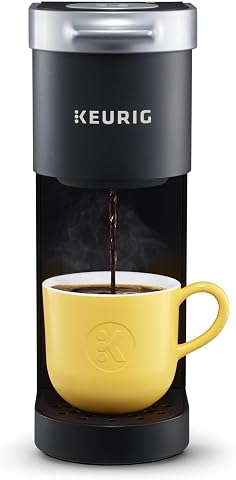
Keurig K-Mini Single Serve K-Cup Pod Coffee Maker
- ✔ Weight: 5 lbs
- ✔ Power: 120V
- ✔ Material: Plastic
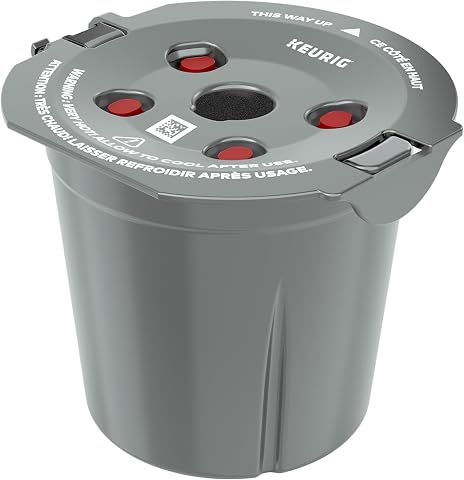
My K-Cup® Reusable Coffee Filter
- ✔ Reusability: Yes
- ✔ Dishwasher safe: Yes
- ✔ Capacity: Single cup
Keurig K-Mini Single Serve K-Cup Pod Coffee Maker
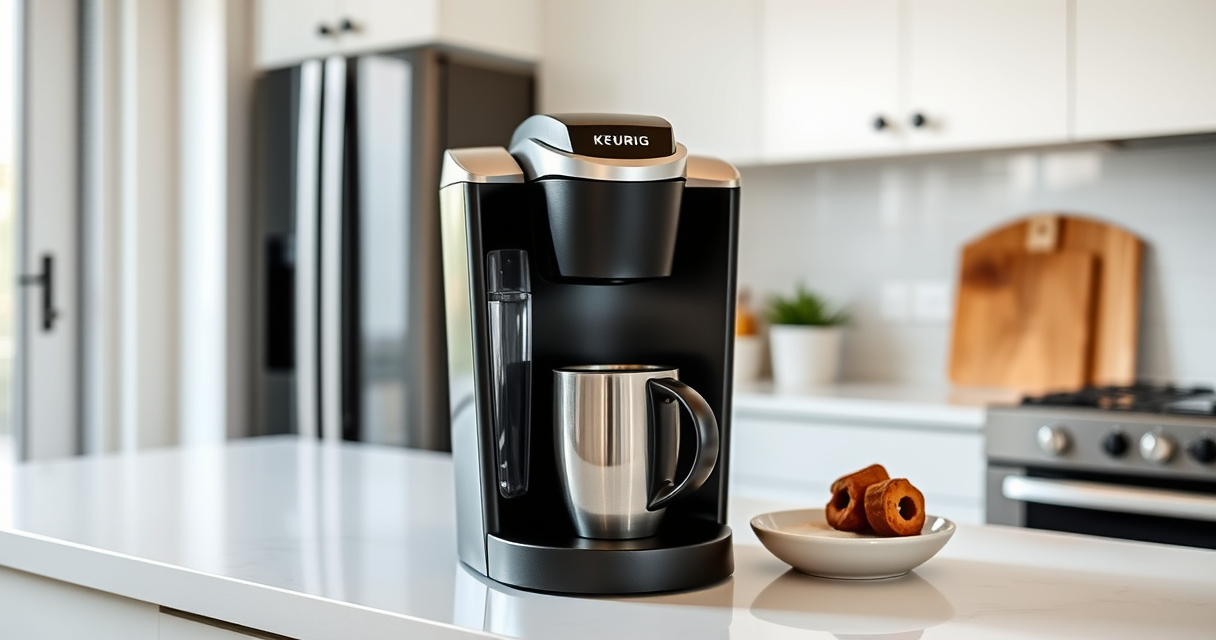
The Keurig K-Mini Single Serve K-Cup Pod Coffee Maker is a convenient, space-saving option that brews quickly and efficiently. Its simple design makes troubleshooting easier, and routine maintenance can prevent brewing issues.
Pros:
- Space-efficient design
- Brews in minutes
- Removable drip tray
- Compatible with reusable filters
Cons:
- Limited water capacity
- No temperature control
- Requires regular descaling
Best for: Small kitchens, dorm rooms, travel
Not ideal for: Heavy use or large households needing higher capacity
Bottom line: A compact, easy-to-maintain coffee maker ideal for small spaces and quick brewing.
My K-Cup® Reusable Coffee Filter
Using the My K-Cup® Reusable Coffee Filter allows you to brew your favorite ground coffee, and combined with descaling, it keeps your Keurig running smoothly. The descaling process is essential to prevent partial brews caused by mineral buildup.
Pros:
- Promotes full flavor
- Easy to use
- Compatible with many Keurig models
- Helps maintain the machine
Cons:
- Additional cost
- Requires periodic use
- Limited to compatible models
Best for: Ground coffee lovers and regular maintenance
Not ideal for: Using only K-Cup pods
Bottom line: A must-have for those seeking consistent, full-flavored brews and machine longevity.
Frequently Asked Questions
Why is my Keurig not brewing a full cup?
Common causes include mineral buildup, clogged needles, or low water levels. Regular descaling and cleaning can resolve this issue.
How often should I descale my Keurig?
It’s recommended to descale every 3-6 months, especially if you have hard water, to prevent mineral deposits from affecting brew quality.
Can I use vinegar to descale?
Yes, a mixture of equal parts water and white vinegar can be used for descaling. Follow with plain water brews to rinse out any residue.
What should I do if cleaning doesn’t fix the brewing problem?
If issues persist, check for blockages, ensure water levels are adequate, and consider replacing the water filter or contacting customer support.
Enjoy Full Cups Again with Simple Troubleshooting
By following these straightforward steps—checking water levels, descaling regularly, cleaning the needle, and ensuring proper brew settings—you can fix most issues causing your Keurig K-Mini not to brew a full cup. Maintenance is key to keeping your coffee maker functioning optimally, so incorporate regular cleaning into your routine for the best results.
Affiliate disclosure: As an Amazon Associate we earn from qualifying purchases. Prices and availability are accurate as of the time of publishing.
Halloween Picks
halloween
As an affiliate, we earn on qualifying purchases.