
Keeping your Keurig K-Duo in top shape ensures fresh-tasting coffee and extends the life of your brewer. Regular cleaning prevents buildup of minerals, oils, and residue that can affect performance and flavor.

Get coffee and tea gear delivered free with Prime
- Fast, free delivery on millions of items
- Prime Video, Amazon Music and more included
- Member-only deals all year
This guide provides practical, step-by-step instructions to clean your Keurig K-Duo safely and effectively, along with tips and recommended products to make maintenance easier.
Key Takeaways
| Regular cleaning maintains flavor | Prevents flavor carry-over and buildup. |
| Use descaling solutions periodically | Removes mineral deposits inside the machine. |
| Clean removable parts frequently | Ensures optimal water flow and brewing quality. |
| Avoid harsh chemicals | Use gentle, approved cleaning solutions. |
| Follow manufacturer instructions | Prevents damage and ensures safety. |
Gather Your Supplies
- Descaling solution or vinegar
- Fresh water
- Soft cloth or sponge
- Cleaning brush (if needed)
Empty and Prepare the Brewer
- Turn off and unplug the Keurig K-Duo.
- Remove the water reservoir and empty any remaining water.
- Remove the drip tray and any removable parts for cleaning.
Descale the Machine
- Fill the water reservoir with a descaling solution or equal parts vinegar and water.
- Place a large container or mug under the brew head.
- Run a brewing cycle without a K-Cup until the reservoir is empty.
- Repeat with plain water to rinse.
Clean Removable Parts
- Wash the water reservoir, drip tray, and other removable parts with warm, soapy water.
- Use a soft cloth or brush to remove any residue.
- Rinse thoroughly and dry before reassembling.
Final Wipe and Reassemble
Wipe the exterior of the machine with a damp cloth. Reassemble all parts and refill the water reservoir with fresh water.
Plug in and run a brew cycle with just water to ensure cleanliness.
The Products in This Guide
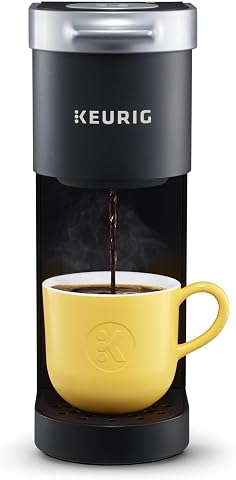
Keurig K-Mini Single Serve K-Cup Pod Coffee Maker
- ✔ Width: Less than 5 inches
- ✔ Brew Size: 6-12oz
- ✔ Color: Black
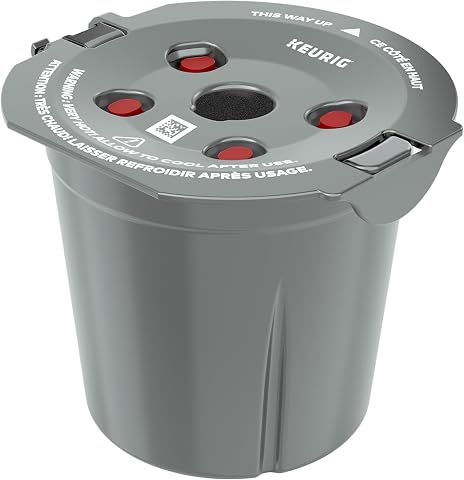
My K-Cup® Reusable Coffee Filter
- ✔ Material: Plastic
- ✔ Capacity: Single cup
- ✔ Compatibility: Keurig K-Duo
Keurig K-Mini Single Serve K-Cup Pod Coffee Maker
The Keurig K-Mini is a compact, efficient coffee maker that benefits from regular cleaning to maintain its performance. Its simple design makes it easy to clean and descale, ensuring your coffee always tastes fresh.
Pros:
- Compact size fits small spaces
- Easy to clean and maintain
- Supports multiple brew sizes
- Removable drip tray for easy cleanup
Cons:
- Limited water reservoir capacity
- No built-in descaling indicator
- Requires manual cleaning routine
Best for: Small spaces and quick, daily brewing
Not ideal for: Large households needing bigger capacity
Bottom line: A compact and easy-to-clean coffee maker perfect for small spaces.
My K-Cup® Reusable Coffee Filter
The My K-Cup® Reusable Coffee Filter allows you to brew your favorite ground coffee with the Keurig K-Duo, providing flexibility and cost savings. It’s compatible and easy to use, making it a valuable addition to your routine.
Pros:
- Reusable and eco-friendly
- Compatible with Keurig K-Duo
- Allows custom coffee blends
- Easy to clean
Cons:
- Requires grinding beans
- Needs rinsing after use
- Slightly more effort than pods
Best for: Ground coffee lovers seeking customization
Not ideal for: Those preferring K-Cup pods for convenience
Bottom line: A versatile reusable filter for brewing ground coffee with your Keurig.
Frequently Asked Questions
How often should I descale my Keurig K-Duo?
It’s recommended to descale every 3 months to prevent mineral buildup and ensure optimal performance.
Can I use vinegar to clean my Keurig?
Yes, a mixture of vinegar and water is effective for descaling, but make sure to rinse thoroughly afterward.
Is it safe to use cleaning solutions other than Keurig’s descaling kit?
It’s best to use approved descaling solutions or vinegar to avoid damaging the machine.
How do I clean the K-Cup holder?
Remove the holder and rinse it thoroughly with warm, soapy water. Use a brush if needed to remove stubborn residue.
Keep Your Keurig K-Duo Brewing Perfectly
Regular cleaning and descaling are essential to maintaining your Keurig K-Duo’s performance and flavor quality. Follow these steps consistently, and consider using products like the Keurig 3-Month Brewer Maintenance Kit for optimal results. Proper care extends the life of your brewer and keeps your coffee tasting fresh every time.
Affiliate disclosure: As an Amazon Associate we earn from qualifying purchases. Prices and availability are accurate as of the time of publishing.
Fall Picks
fall essentials
As an affiliate, we earn on qualifying purchases.