
When optimizing extraction, you should carefully adjust solvent ratios and temperature to improve strength, TDS, and yield. Proper solvent balance guarantees maximum compound extraction without diluting the product, while temperature control prevents degradation of sensitive components. A higher TDS indicates more dissolved substances, boosting strength and yield, but overdoing it can introduce impurities. Fine-tuning these factors helps you obtain a high-quality extract. Keep exploring to deepen your understanding of these essential extraction principles.
Key Takeaways
- Strength measures the concentration of target compounds in the extract, influenced by solvent ratio and temperature control.
- TDS (Total Dissolved Solids) indicates extraction efficiency, reflecting the amount of dissolved substances in the solution.
- Proper solvent ratios prevent dilution or loss of valuable components, optimizing yield and extract potency.
- Temperature regulation accelerates extraction but must be carefully managed to avoid degrading sensitive compounds.
- Balancing solvent volume and temperature enhances both yield and purity, ensuring high-quality, concentrated extracts.
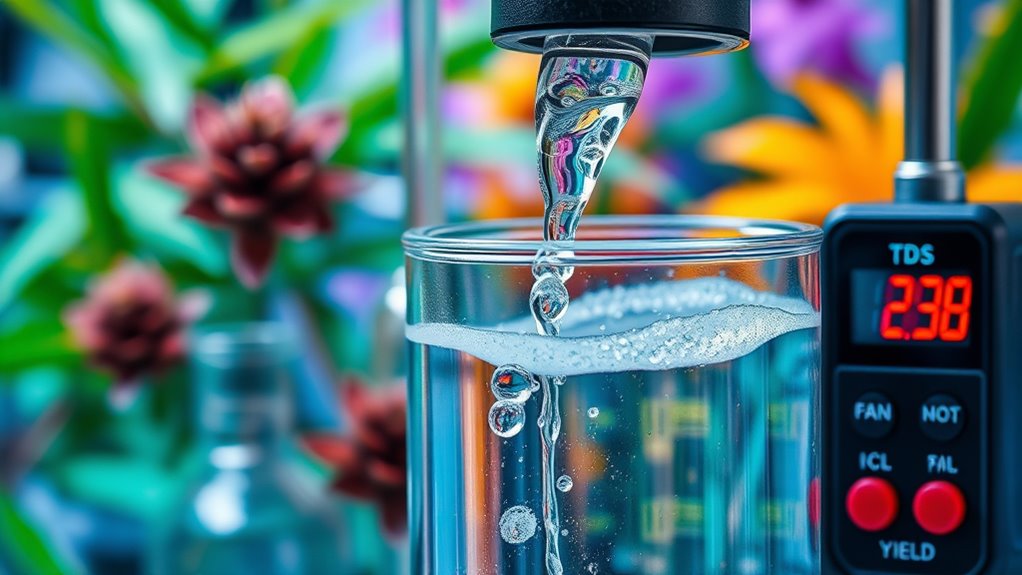
Have you ever wondered how essential oils, caffeine, or even valuable minerals are separated from natural sources? It all comes down to extraction, a process that relies heavily on careful control of various parameters to maximize yield and quality. One critical aspect of this process involves managing solvent ratios and temperature control. When you extract compounds from plants or other raw materials, choosing the right solvent ratio ensures that you remove as much of the target substances as possible without wasting resources or introducing impurities. Too much solvent can dilute the extract, making it less potent, while too little might leave behind valuable components. Achieving the ideal solvent ratio is crucial for efficient extraction, helping you strike a balance between thoroughness and economy. Additionally, understanding the impact of extraction methods on cost and budgeting can help optimize resource allocation and reduce waste.
Temperature control plays an equally important role in extraction. When you heat the raw material or the solvent, you can accelerate the dissolution of desired compounds, but excessive heat risks degrading sensitive substances like essential oils or bioactive compounds. Maintaining precise temperature control allows you to fine-tune extraction conditions—hot enough to enhance solubility and diffusion, yet cool enough to preserve the integrity of delicate molecules. For example, in steam distillation of essential oils, controlling temperature prevents decomposition of volatile compounds, ensuring you get a pure, high-quality product. Similarly, in solvent-based extractions, temperature regulation can influence the rate of extraction and the purity of the final product.
Understanding the interplay between solvent ratios and temperature control also affects your extraction’s strength, TDS (total dissolved solids), and yield. Strength refers to the concentration of the target compound in your extract, which you want to maximize without compromising purity. Properly adjusting solvent ratios and temperatures helps you achieve the ideal strength, ensuring your extract is potent and effective. TDS measures how much of the dissolved substances are present in your solution, giving you a quantitative way to gauge extraction efficiency. Higher TDS usually indicates a more concentrated extract, but too high might mean unwanted impurities are also present. Managing these variables carefully allows you to fine-tune the extraction process, boosting yield while maintaining quality.
Alongside understanding these technical factors, you develop a more intuitive sense of how to manipulate the process in real-time. With practice, you learn to recognize subtle changes in temperature or solvent behavior that signal when adjustments are needed. This knowledge helps you optimize extraction parameters for different raw materials and target compounds, ensuring consistent, high-quality results. In essence, mastery of solvent ratios and temperature control is fundamental to extracting the full potential of natural sources, giving you the tools to produce pure, potent, and valuable products efficiently.

VEVOR Essential Oil Distillation Equipment, 2L Capacity, Made with 3.3 Borosilicate Lab-Quality Glass, Includes a 1000W Heater and 24/40 Joint Connections, Comprehensive 28-Piece Kit
Large Capacity Essential Oil Distillation Kit: Featuring a large capacity flask, our distillation apparatus facilitates batch production of…
As an affiliate, we earn on qualifying purchases.
As an affiliate, we earn on qualifying purchases.
Frequently Asked Questions
How Do Temperature Variations Affect Extraction Efficiency?
Temperature variations directly impact your extraction efficiency by affecting temperature stability; fluctuations can cause inconsistent results. Higher temperatures often increase extraction rates but risk thermal degradation of sensitive compounds, reducing quality. Conversely, lower temperatures may slow extraction, leading to incomplete yields. Maintaining a stable temperature guarantees ideal extraction while preventing thermal degradation, so you get consistent, high-quality extracts. Proper temperature control is essential for maximizing efficiency and preserving compound integrity.
What Equipment Is Best for Small-Scale Extractions?
Like a master chef selecting the right knife, choose an extraction vessel that suits your scale—glass or stainless steel works well. For small-scale extractions, a glass jar or a mini stainless steel reactor offers precision and control. Focus on solvent selection; ethanol or CO2 are popular. This setup allows you to fine-tune your process, much like an artist perfects their craft, ensuring efficient, high-quality extracts every time.
How Does Ph Influence Extraction Results?
You’ll find that pH substantially influences extraction results through pH stability. If you use an acidic environment, it can enhance the solubility of certain compounds, but too much acidity may degrade your product. Conversely, an alkaline pH can improve extraction of other compounds, but it risks destabilizing the overall process. Adjusting pH carefully, based on whether you’re working in acidic or alkaline conditions, ensures better extraction efficiency and product quality.
Can Extraction Methods Be Scaled up Commercially?
Yes, extraction methods can be scaled up commercially, but industrial scaling requires careful planning. You might worry about maintaining quality and efficiency, but with proper process optimization, it’s achievable. Be prepared to navigate regulatory challenges, ensuring compliance with safety and environmental standards. By investing in advanced equipment and rigorous quality control, you can successfully expand your extraction operations for large-scale production.
What Are Common Contaminants to Watch for During Extraction?
During extraction, you should watch for common contaminants like residual solvents, pesticides, heavy metals, and microbial contaminants. To avoid these, carefully select your solvents and guarantee they are food-grade or pharmaceutical-grade. Contaminant identification is vital; use proper analytical techniques like chromatography to detect impurities. Regular testing helps you maintain purity, assure safety, and meet regulatory standards, ultimately leading to a successful and safe extraction process.
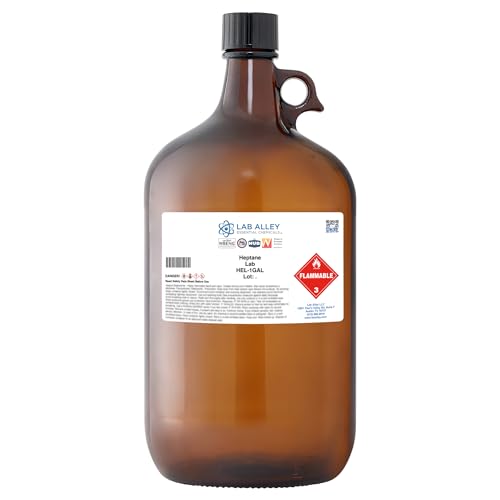
Lab Alley Heptane Lab Grade Solvent for Extraction, Cleaning & Lab Use, 1 Gallon
𝗛𝗶𝗴𝗵-𝗣𝘂𝗿𝗶𝘁𝘆 𝗟𝗮𝗯 𝗚𝗿𝗮𝗱𝗲 𝗦𝗼𝗹𝘃𝗲𝗻𝘁: Reliable chemical solution for laboratories, botanical extraction, and industrial cleaning applications. Designed for consistent,…
As an affiliate, we earn on qualifying purchases.
As an affiliate, we earn on qualifying purchases.
Conclusion
Understanding extraction basics helps you maximize strength, TDS, and yield in your process. Did you know that optimizing extraction parameters can increase yield by up to 30%? By focusing on factors like strength and TDS, you’ll improve efficiency and quality. Remember, small adjustments can lead to big results—so stay attentive to your extraction techniques. With practice, you’ll master the balance needed for the best possible outcomes every time.

500ML Essential Oil Extraction Distillation Apparatus with Essential Oil Extraction Maker Organic Chemistry Lab Glassware Equipment for Home School Laboratory
𝑸𝒖𝒂𝒍𝒊𝒕𝒚 𝑴𝒂𝒕𝒆𝒓𝒊𝒂𝒍𝒔: The glassware in this kit are made of high-quality high borosilicate glass, while the iron stand…
As an affiliate, we earn on qualifying purchases.
As an affiliate, we earn on qualifying purchases.

HM Digital TDS-3 Handheld TDS Meter With Carrying Case, 0 – 9990 ppm TDS Measurement Range, 1 ppm Resolution, +/- 2% Readout Accuracy
Its Ideal for Commercial Use
As an affiliate, we earn on qualifying purchases.
As an affiliate, we earn on qualifying purchases.