🔍 Read the full analysis: Nocino, Grappa, Limoncello: Italy's Homemade Liqueur Culture on Mad Tasting

Get coffee and tea gear delivered free with Prime
- Fast, free delivery on millions of items
- Prime Video, Amazon Music and more included
- Member-only deals all year
TL;DR
Nocino and limoncello are sweetened infusions, while grappa is a distilled spirit made from grape pomace. Their traditions connect seasonal ingredients and regional production in Italy with the custom of offering a small after-dinner drink. Home infusions can be made with food-grade alcohol and clean equipment; grappa requires distillation and should be purchased from a licensed producer.
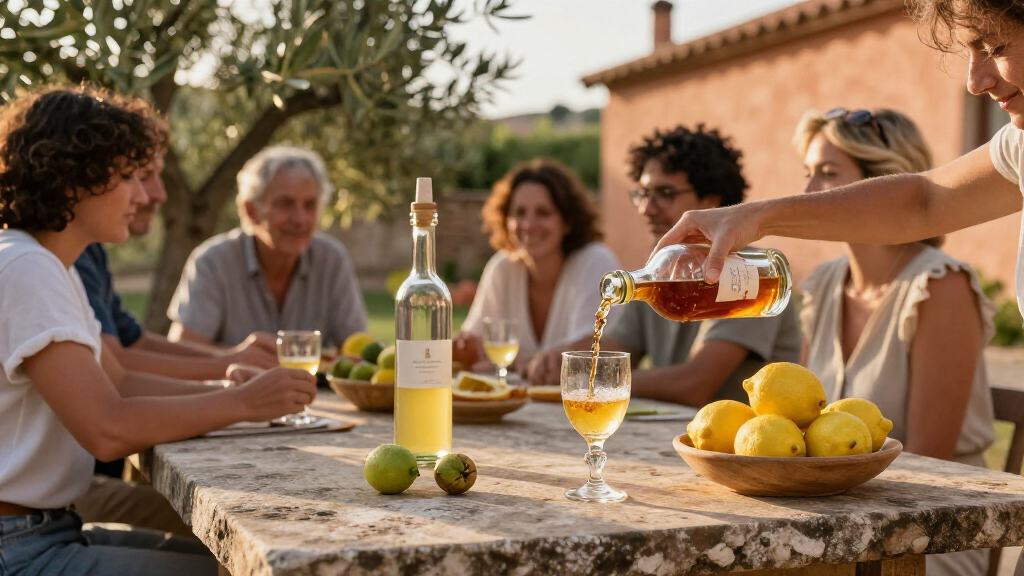
Nocino, limoncello and grappa may all be served in small glasses after dinner, but they are made in different ways, according to a Mad Tasting guide to Italy’s homemade liqueur culture. Nocino and limoncello are sweetened infusions, while grappa is distilled from grape pomace—a distinction that matters for both flavor and safe home preparation.
Nocino takes its dark, bittersweet character from green, unripe walnuts steeped in alcohol, usually with sugar and sometimes spices. The guide links the tradition particularly to Emilia-Romagna, where walnut gathering is associated with St. John the Baptist’s feast day on June 24. That date is a seasonal reference, not a fixed rule: local weather affects when walnuts are ready, and the practical sign is whether the young nut is still soft enough to cut.
Limoncello gets its citrus aroma from the yellow outer peel of lemons, then is sweetened. The guide associates the drink with Campania and the Amalfi Coast, where fragrant lemons feature in household traditions. Recipes vary, including in sweetness and preparation, so the source does not set out one standard formula or claim that every bottle is homemade.
Grappa is different in kind: it is made by distilling pomace—the grape skins, seeds and sometimes stems left after pressing. Its character can depend on the grapes, the distillation method and, in some cases, aging. Mad Tasting says home cooks can make infusions using food-grade alcohol and clean equipment, but grappa requires distillation and should come from a licensed producer.
A Field Guide to Italy’s After-Dinner Pour
Nocino, Grappa, Limoncello: Italy’s Homemade Liqueur Culture
Three drinks can share a place at the table while coming from very different processes. Nocino and limoncello are sweetened infusions; grappa is distilled from grape pomace. Their traditions bring seasonal ingredients, regional character and household variation into the Italian digestivo custom.
01 / Three drinks, three methods
What is in the glass?
Ingredients, production and regional associations help distinguish these drinks. Recipes and serving habits vary between households.
Sweetened infusion · Walnut
Nocino
Green, unripe walnuts steep in alcohol, often with sugar and sometimes spices. The result is dark and bittersweet, with a resinous walnut character.
Tradition: Emilia-RomagnaSweetened infusion · Citrus
Limoncello
The yellow outer peel of lemons infuses alcohol, lending a bright citrus aroma. Sweetness and preparation differ across recipes.
Tradition: Campania & Amalfi CoastDistilled spirit · Pomace
Grappa
Distilled from grape pomace: skins, seeds and sometimes stems left after pressing. Grapes, distillation and aging can shape its character.
Tradition: Northern wine regionsNocino + Limoncello
Alcohol extracts flavor from walnuts or lemon peel. Ingredient choices, spices and sweetness shape the result; neither drink has one standard recipe in this guide.
Grappa
Pomace is distilled into a spirit. Grappa is not simply another sweetened homemade liqueur, and the guide recommends buying it from a licensed producer.
02 / Seasonal roots
Follow the ingredient
Regional links describe traditions, not exclusive origins or a guarantee that a particular bottle was made there.
Emilia-Romagna · Walnut
Green walnuts are traditionally gathered around the Feast of St. John the Baptist on June 24. Weather shifts the timing; the useful test is whether a young nut is still soft enough to cut.
Campania · Lemon
Fragrant lemons, associated with Campania and the Amalfi Coast, supply the peel that gives limoncello its citrus aroma. Household recipes vary.
Northern Italy · Pomace
Grappa connects to wine regions through the reuse of pomace after grape pressing. The grape character can reflect raw material, distillation and sometimes aging.
Gather
Choose green walnuts while the young nut remains tender.
Infuse
Let walnuts or lemon peel flavor food-grade alcohol.
Sweeten & rest
Recipes vary; nocino may steep for weeks or months, then rest.
Share
Serve a small pour after a meal if that suits the table.
03 / Home preparation & serving
Know the process. Serve with care.
The production difference matters for practical safety. Infusions and distillation are not interchangeable home projects.
Infuse at home. Buy grappa.
For home infusions, use food-grade alcohol and clean equipment, follow a reliable recipe, and label the bottle with its preparation date and ingredients. Grappa requires distillation; the guide advises against making it at home and recommends a licensed producer.
Limoncello
Serve chilled for a bright citrus finish, including after a seafood meal.
Nocino
Its darker walnut and spice profile can pair with dark chocolate. Tell guests it contains walnuts, a tree-nut allergen.
Grappa
Pour a small amount when the aim is to foreground grape character. Serving suggestions are flexible, not rules.
04 / At the table
A custom, not a claim
Digestivo describes an after-meal drink custom. It does not establish that alcohol improves digestion.
When are walnuts gathered?
June 24 is a traditional reference in Emilia-Romagna, not a fixed deadline. Local weather matters; check whether the young walnut is soft enough to cut before its shell hardens.
Can grappa be made like limoncello?
No. Limoncello is an infusion; grappa is distilled from pomace. The guide recommends getting grappa from a licensed producer.
Is there one standard recipe?
The guide gives no fixed ingredient ratios or universal steeping and resting schedule. Household methods and sweetness vary.
What should guests know?
Nocino contains walnuts, a tree-nut allergen. Disclose ingredients so guests can make an informed choice.
Three Drinks, Three Production Methods
The distinction helps readers understand what is in the glass and how it was produced. In an infusion, ingredients such as lemon peel or green walnuts flavor alcohol directly; the maker’s choices about ingredients, spices and sweetness shape the result. Grappa instead comes from the distillation of grape pomace, so it is not simply another sweetened homemade liqueur.
The drinks also occupy different places at the table. The guide suggests serving chilled limoncello after a seafood meal, pairing nocino with dark chocolate, and pouring grappa in a small glass when the aim is to foreground grape character. These are serving suggestions, not rules. The Italian word digestivo describes an after-meal drink custom; it does not establish that alcohol improves digestion.
For home preparation, the production difference has a practical safety implication. The guide recommends food-grade alcohol and clean equipment for infusions, and advises against making grappa at home. It also flags walnuts as a tree-nut allergen, making ingredient disclosure relevant when serving nocino to guests.
food grade high proof alcohol for homemade limoncello infusion
As an affiliate, we earn on qualifying purchases.
As an affiliate, we earn on qualifying purchases.
Seasonal Roots Across Italy
The guide presents these drinks as part of a broader custom of sharing a small glass after a meal, while emphasizing that regional and household habits differ. Emilia-Romagna’s walnut tradition gives nocino a seasonal starting point: the nuts must be gathered while still green and tender, before their shells harden. Recipes may include cinnamon, cloves, lemon peel or nutmeg, though some makers prefer the walnut’s bitter, resinous flavor without added spices.
For nocino, steeping may last weeks or months, followed by a period of rest before serving. The source describes that wait as allowing the flavors to settle, but does not provide a single recipe or a universal aging period. The variation is part of the household tradition: the balance of sugar and spices can differ from one family recipe to another.
Campania’s lemons supply the aromatic peel used in limoncello, while grappa connects to northern Italian wine regions through the reuse of pomace after grape pressing. These regional associations describe traditions, not exclusive origins or guarantees that any particular bottle was made in the place linked to its style.
““Nocino, grappa, and limoncello are not three versions of the same thing: two are liqueurs made by infusion, while one is a spirit distilled from grapes.””
— Mad Tasting
Recipes and Regional Timing Vary
The source does not identify a single standard recipe for nocino or limoncello, give fixed ingredient ratios, or specify one steeping and resting schedule. Household methods differ, and the right time to gather green walnuts depends on local conditions; June 24 is described as a traditional reference, not a universal deadline.
The guide also does not provide evidence for health benefits from these drinks, nor does it establish that every bottle associated with a region is locally made. Its account is a cultural and practical guide rather than a survey of producers or a technical review of distillation laws. Readers should not treat the home-infusion advice as instructions for distilling spirits.
Choosing and Serving a Bottle
For anyone deciding what to serve, the source’s practical next step is to match the drink to its character: choose limoncello for a bright citrus finish, nocino for a darker walnut-and-spice profile, or grappa for a spirit in which grape pomace is the starting material. Serving habits are flexible, and a small after-dinner pour is a custom rather than a requirement.
Those making an infusion should use food-grade alcohol and clean equipment, follow a reliable recipe, and label the bottle with its preparation date and ingredients. Tell guests that nocino contains walnuts, a tree-nut allergen. Grappa should be bought from a licensed producer; the guide does not recommend home distillation. The source gives no further production dates or regulatory guidance, so those details remain outside its scope.
Key Questions
What is the main difference between nocino, limoncello and grappa?
Nocino and limoncello are sweetened infusions: nocino is flavored with green walnuts, while limoncello gets its aroma from lemon peel. Grappa is a spirit made by distilling grape pomace.
When are walnuts gathered for nocino?
In Emilia-Romagna, gathering is traditionally associated with June 24, but local weather changes the timing. The guide’s practical test is whether the young walnut is soft enough to cut before its shell hardens.
Can grappa be made at home like limoncello?
No. The guide distinguishes infusion from distillation and says grappa requires distillation. It advises getting grappa from a licensed producer rather than attempting home production.
Is nocino safe for guests with allergies?
Nocino contains walnuts, which are a tree-nut allergen. Tell guests what is in the drink so they can make an informed choice.
Does an after-dinner drink aid digestion?
The source says digestivo describes the custom of serving a drink after a meal; it is not a promise that alcohol aids digestion.
Source: Mad Tasting
Fall Picks
fall essentials
As an affiliate, we earn on qualifying purchases.