If your Keurig coffee maker is brewing bitter, sour, or off-tasting coffee, it’s often a sign that it needs cleaning or descaling. Over time, mineral deposits, coffee oils, and flavor residue can build up inside your machine, affecting the taste of your beverages. Regular maintenance can restore your Keurig’s performance and help you enjoy fresh, flavorful coffee every time.
In this guide, we’ll walk you through practical, step-by-step solutions to fix a Keurig that keeps tasting bad, ensuring your machine operates smoothly and produces great-tasting coffee. The steps include cleaning, descaling, and replacing parts if necessary — all safe and straightforward to do at home.
Key Takeaways
| Regular Cleaning Is Key | Frequent cleaning prevents flavor carry-over and buildup. |
| Descaling Removes Mineral Deposits | Mineral buildup from water affects taste and machine longevity. |
| Use the Right Cleaning Products | Specialized descaling and cleaning kits ensure effective maintenance. |
| Replace Parts When Needed | Old or clogged filters and components can impair flavor and function. |
| Routine Maintenance Extends Lifespan | Regular upkeep keeps your Keurig brewing at its best. |

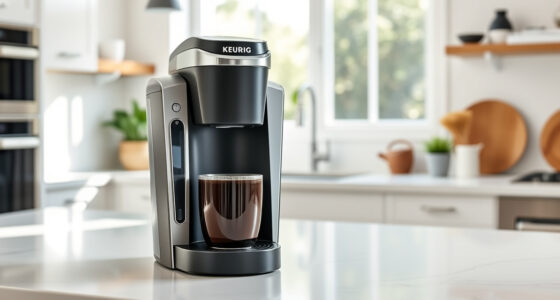
Keurig K-Mini Single Serve K-Cup Pod Coffee Maker, 6 to 12oz Brew size, with Cord Storage, Perfect for Small Spaces, Black
- Compact Design: Fits small spaces under 5 inches wide
- Adjustable Brew Size: Brew 6-12oz cups with Keurig pods
- Removable Water Reservoir: Add fresh water for each brew
As an affiliate, we earn on qualifying purchases.
Identify the Cause of Poor Taste
Before starting repairs, determine if the bad taste is consistent or intermittent. Common causes include mineral buildup, coffee oil residue, or stale water. If your coffee suddenly tastes bitter or sour, it’s likely due to mineral deposits or leftover oils in the machine.
Check for visible buildup around the needle and inside the water reservoir. If your machine has been used for several months without cleaning, descaling and cleaning are the first steps to take.
Clean the Water Reservoir and External Parts
- Unplug your Keurig and remove the water reservoir. Wash it thoroughly with warm, soapy water, then rinse well.
- Wipe down the exterior of the machine with a damp cloth to remove dust and coffee splashes.
- Use a soft brush or toothpick to clear any debris or coffee grounds from the needle area and the exit opening.
This step removes any surface residue that could negatively affect the flavor of your brew.
Descale Your Keurig to Remove Mineral Deposits
Mineral deposits from water can cause bad taste and clog the machine. Use a descaling solution or a mixture of equal parts white vinegar and water. Follow these steps:
- Fill the water reservoir with your descaling solution or vinegar mixture.
- Place a large mug on the drip tray.
- Run a brew cycle without a K-Cup, allowing the solution to flow through the machine.
- Repeat until the reservoir is empty.
Then, refill with fresh water and run several cycles to rinse out any residual vinegar or descaling solution, ensuring no taste remains.
Clean or Replace the K-Cup Needle and Filter
The needle can become clogged with coffee grounds or mineral deposits, impairing water flow and flavor. Use a paperclip or a Keurig cleaning tool to carefully clear the needle’s exit and entrance points.
If your model uses a reusable filter, such as the My K-Cup® Reusable Coffee Filter, ensure it is clean and free of coffee grounds or oils. Replace the filter if it shows signs of wear or clogging, as this can affect brewing quality.
Check and Replace Water Filter Cartridges
If your Keurig has a water filter, replace the cartridge every 2-3 months or as recommended. Old filters can harbor impurities and affect water quality, impacting flavor. Remove the old cartridge and install a new one following your model’s instructions for optimal results.
Using filtered water instead of tap water can also significantly improve taste and reduce mineral buildup.
Additional Tips and Warnings
- Use Clean, Filtered Water: Hard water contributes to mineral buildup and bad taste. Filtered water is always better for brewing.
- Regular Maintenance: Schedule descaling every 3-6 months, depending on water hardness and usage.
- Safety First: Always unplug your Keurig before cleaning or maintenance to avoid electrical hazards.
- Avoid Harsh Chemicals: Use only approved descaling solutions or vinegar. Do not use bleach or abrasive cleaners.
The Products in This Guide
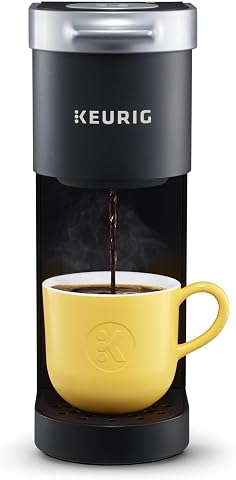
Keurig K-Mini Single Serve K-Cup Pod Coffee Maker
- ✔ Weight: 5.5 lbs
- ✔ Voltage: 120V
- ✔ Warranty: 1 year
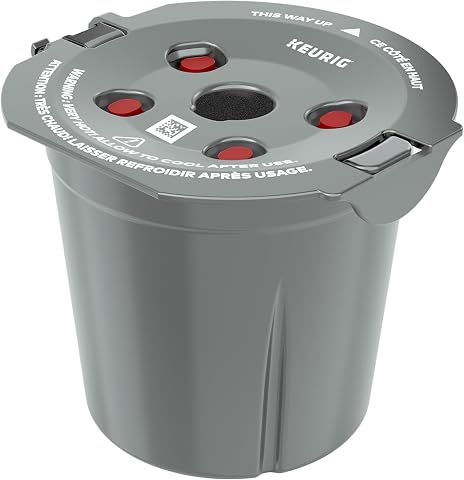
My K-Cup® Reusable Coffee Filter
- ✔ Material: BPA-free plastic
- ✔ Reusable: Yes
- ✔ Dishwasher Safe: Yes
Keurig K-Mini Single Serve K-Cup Pod Coffee Maker
The Keurig K-Mini Single Serve K-Cup Pod Coffee Maker is ideal for small spaces and offers quick, fresh brews with a simple design. Its compact size doesn’t compromise on performance, making it easy to clean and maintain. Regular cleaning and descaling will keep it tasting great.
Pros:
- Space-saving design
- Brews 6-12oz cups quickly
- Removable drip tray for travel mugs
- Auto off feature for energy saving
Cons:
- Limited to single serve use
- No water filter built-in
- Requires regular descaling for best taste
Best for: Small kitchens, offices, or dorm rooms needing quick coffee.
Not ideal for: Heavy-duty or high-volume brewing needs.
Bottom line: A compact, easy-to-maintain coffee maker perfect for small spaces, with regular cleaning essential for the best taste.
My K-Cup® Reusable Coffee Filter
The My K-Cup® Reusable Coffee Filter allows you to brew your favorite ground coffee, reducing waste and saving money over time. Compatible with the Keurig K-Mini, it’s easy to use and easy to clean, making it a great addition for those who prefer ground coffee or want more control over flavor.
Pros:
- Compatible with Keurig K-Mini
- Allows brewing with ground coffee
- Cost-effective alternative to pods
- Easy to clean and reuse
Cons:
- Requires measuring coffee grounds
- Potential for clogging if not cleaned
- Not suitable for flavored coffee pods
Best for: Eco-conscious coffee drinkers and those who prefer ground coffee.
Not ideal for: Users who solely rely on K-Cup pods.
Bottom line: A simple, eco-friendly option for brewing ground coffee with your Keurig.
Frequently Asked Questions
Why does my Keurig taste bad even after cleaning?
Residual mineral deposits, oils, or old water in the machine can cause bad taste. Regular descaling and cleaning are essential to improve flavor.
How often should I descale my Keurig?
It’s recommended to descale every 3-6 months, depending on water hardness and usage frequency.
Can I use vinegar to descale my Keurig?
Yes, a mixture of equal parts white vinegar and water works well. Be sure to run several rinse cycles afterward to remove any vinegar taste.
What is the best way to clean the needle and prevent clogs?
Use a paperclip or Keurig cleaning tool to carefully clear the needle’s entrance and exit points regularly, especially if you notice weak or inconsistent brewing.
Will using a reusable filter affect the taste of my coffee?
Not if it is cleaned regularly. A clean reusable filter can actually improve flavor by allowing more control over the coffee grounds used.
Brewing Better Coffee Starts with Proper Maintenance
Keeping your Keurig coffee maker clean and well-maintained is the key to ensuring it produces great-tasting coffee every time. Regular descaling, cleaning the needle, and replacing worn parts can eliminate off-flavors and extend your machine’s lifespan. By following these practical steps, you’ll enjoy fresher, richer brews and keep your small-space coffee station running smoothly for years to come.
Affiliate disclosure: As an Amazon Associate we earn from qualifying purchases. Prices and availability are accurate as of the time of publishing.