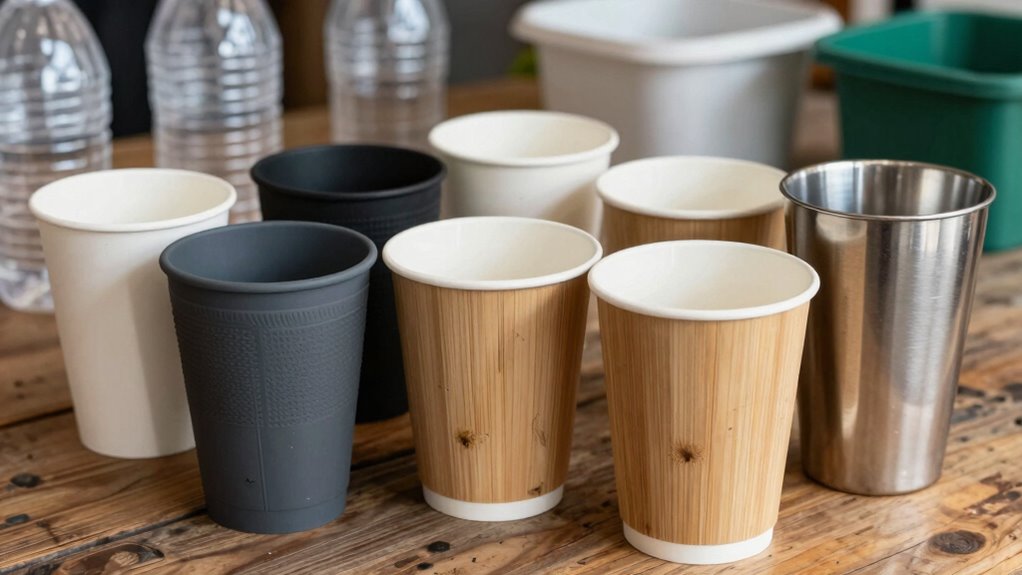

When choosing reusable cups, you weigh their environmental benefits against the full lifecycle, from raw material extraction to disposal. If you use a metal or glass cup daily, it can considerably reduce waste and lower overall impact. But if you rarely reuse or neglect proper care, the initial production and cleaning may outweigh benefits. Understanding these trade-offs helps you make smarter, more sustainable choices—keep exploring to learn how your habits can tip the balance.

Get coffee and tea gear delivered free with Prime
- Fast, free delivery on millions of items
- Prime Video, Amazon Music and more included
- Member-only deals all year
Key Takeaways
- The environmental benefits of reusable cups depend heavily on usage frequency and proper maintenance over their lifecycle.
- Manufacturing and transportation impacts can outweigh benefits if the cup is used infrequently or replaced prematurely.
- Material choice influences sustainability; durable materials like metal or glass offer better long-term environmental performance.
- Lifecycle analysis shows that longer use and proper care significantly reduce overall environmental footprint.
- Consumer habits, such as consistent daily use and careful cleaning, are critical in maximizing reusable cups’ eco-friendly potential.
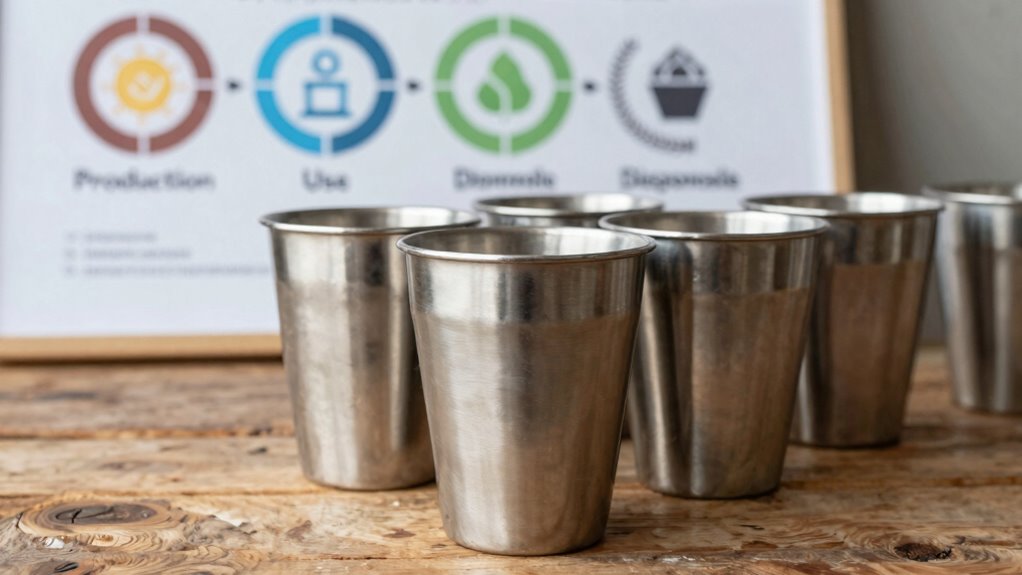
Have you ever wondered whether reusable cups truly help the environment? It’s a common question, and the answer isn’t as straightforward as it might seem. When you choose a reusable cup over disposables, you’re likely doing it because you want to reduce waste and lessen your environmental impact. But the truth is, the environmental impact of reusable cups depends on many factors—how often you use them, what materials they’re made of, and how you care for them. Each choice you make influences the overall sustainability of your decision.
Consumer behavior plays a huge role here. If you buy a reusable cup but only use it once or twice, you might be doing more harm than good. Manufacturing, shipping, and cleaning these cups all require energy and resources. For example, a plastic reusable might seem eco-friendly, but if you rarely use it, the environmental costs of production and disposal could outweigh the benefits. Conversely, if a metal or glass cup is used daily, it can markedly lower its environmental footprint over time, making it a smarter choice. Your habits—like how often you wash and reuse the cup—are critical in determining whether you’re truly reducing waste.
Using a reusable cup daily maximizes environmental benefits and reduces waste over time.
The lifecycle of a reusable cup involves multiple stages: raw material extraction, manufacturing, transportation, usage, and disposal or recycling. Each stage impacts the environment differently. Manufacturing a single plastic cup consumes petroleum and produces greenhouse gases, but so does producing a stainless steel or ceramic cup, just on a different scale. Transportation adds further emissions, especially if the cups are shipped over long distances. The key is how many times you use the cup. A cup that’s used dozens or hundreds of times can offset its initial environmental costs, but if it’s discarded after few uses, it’s less sustainable. Understanding the full lifecycle analysis of these cups can help you make more informed choices about their environmental impact. Additionally, considering material durability can influence how long a cup remains environmentally beneficial. Developing a better understanding of environmental costs associated with different materials can guide you toward more sustainable options.
Your consumer behavior directly influences the overall impact. Opting for a durable, high-quality reusable cup that you use consistently can help reduce waste and emissions over time. Proper maintenance—like washing it efficiently and avoiding unnecessary replacements—also extends its lifespan and maximizes benefits. Additionally, being mindful of how often you choose to use your reusable cup instead of disposable ones can make a real difference. The more intentional you are about integrating it into your daily routine, the more it contributes to lowering the environmental impact. Ultimately, your habits, preferences, and commitment shape whether your reusable cup is a genuinely sustainable choice or just a symbolic one.
stainless steel reusable coffee cup
As an affiliate, we earn on qualifying purchases.
As an affiliate, we earn on qualifying purchases.
Frequently Asked Questions
How Do Reusable Cups Impact Overall Environmental Sustainability?
Reusable cups positively impact environmental sustainability by reducing your overall environmental footprint. When you choose them, you use fewer resources over time, boosting resource efficiency. While manufacturing reusable cups consumes more resources initially, their durability means you generate less waste and lower emissions compared to single-use cups. By switching to reusable cups, you help conserve resources, minimize waste, and promote a more sustainable lifestyle.
What Are the Health Considerations of Reusable Versus Disposable Cups?
You should be aware that reusable cups can pose health risks if not properly maintained, as chemical leaching from certain materials may occur over time. Additionally, microbial growth can develop if you don’t clean them regularly, leading to potential health issues. Disposable cups eliminate these concerns, but they come with environmental trade-offs. So, make sure you clean reusable cups thoroughly and choose safer materials to minimize health risks.
How Do Cultural Perceptions Influence Reusable Cup Adoption?
You might find that cultural norms greatly influence your willingness to adopt reusable cups. In some societies, using personal or eco-friendly cups is celebrated, easing adoption. However, in others, it’s seen as unusual or inconvenient, creating adoption barriers. Your perceptions are shaped by societal attitudes, which can either encourage or discourage sustainable habits. Recognizing these cultural influences helps you understand why reusable cup adoption varies across different communities.
What Innovations Are Emerging in Reusable Cup Materials?
You’ll notice innovations like biodegradable plastics and plant-based composites in reusable cups. These materials break down more easily and reduce environmental impact, making them attractive options. Companies are experimenting with these eco-friendly options to improve durability and aesthetics, encouraging more people to adopt reusable cups. By choosing cups made from biodegradable plastics or plant-based composites, you help support sustainable solutions that lessen waste and promote environmental health.
How Do Reuse Practices Vary Globally?
You’ll find reuse practices vary globally due to cultural acceptance and regional policies. In some countries, like Sweden, extensive recycling programs and cultural norms encourage reusable cups. Conversely, regions with less emphasis on sustainability may lack infrastructure or policies supporting reuse. Personal habits also influence practices—where societal acceptance is high, more people embrace reusable cups. Understanding these differences helps tailor strategies to promote sustainable reuse worldwide.
Conclusion
Ultimately, choosing reusable cups is like walking a tightrope between environmental benefits and resource use. While they reduce waste, their production and cleaning also have impacts. You hold the power to make smarter choices—opt for durable materials, minimize washing, and use them consistently. Every small step counts, and like a ripple in water, your mindful actions can create a bigger positive difference. So, weigh the trade-offs wisely and keep aiming for sustainability in every sip.
Halloween Picks
halloween
As an affiliate, we earn on qualifying purchases.