
If you’re comparing the environmental footprints, drip coffee usually leaves less impact because it’s more energy-efficient, produces less waste, and generally uses ground coffee with reusable filters. Espresso makers often consume more energy and generate more waste, especially with single-use capsules. Choosing eco-friendly appliances, making only the coffee you need, and opting for sustainable beans can reduce both methods’ footprints. To uncover how to minimize your impact further, explore the detailed insights ahead.

Get coffee and tea gear delivered free with Prime
- Fast, free delivery on millions of items
- Prime Video, Amazon Music and more included
- Member-only deals all year
Key Takeaways
- Drip coffee generally has a lower energy footprint due to simpler, more energy-efficient machines.
- Espresso machines often consume more energy because of high-pressure water heating.
- Waste impact varies: capsules for espresso add more landfill waste than reusable drip filters.
- Both methods can be eco-friendly with responsible sourcing and waste management practices.
- Making only the necessary amount of coffee reduces energy and waste in both brewing styles.
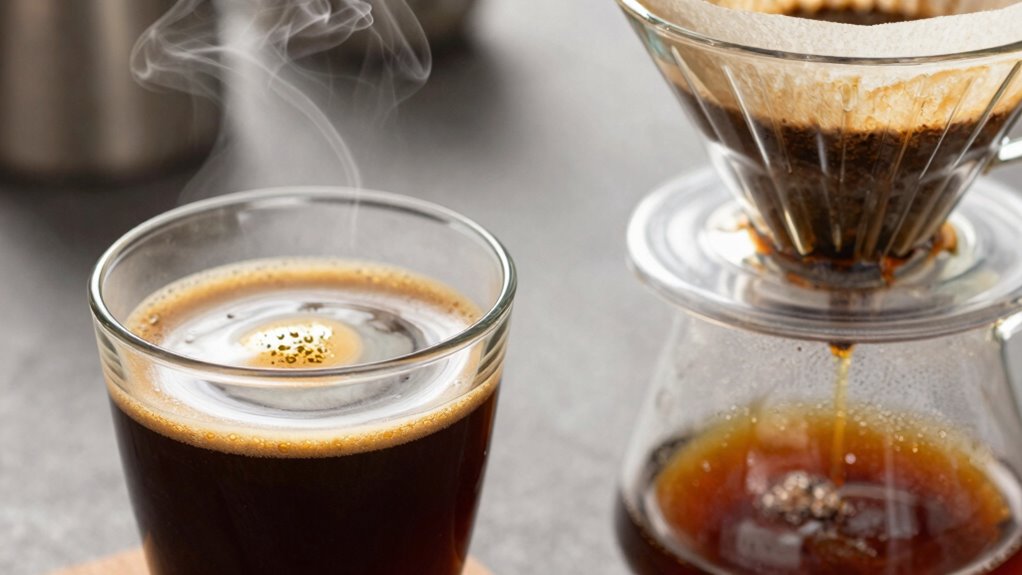
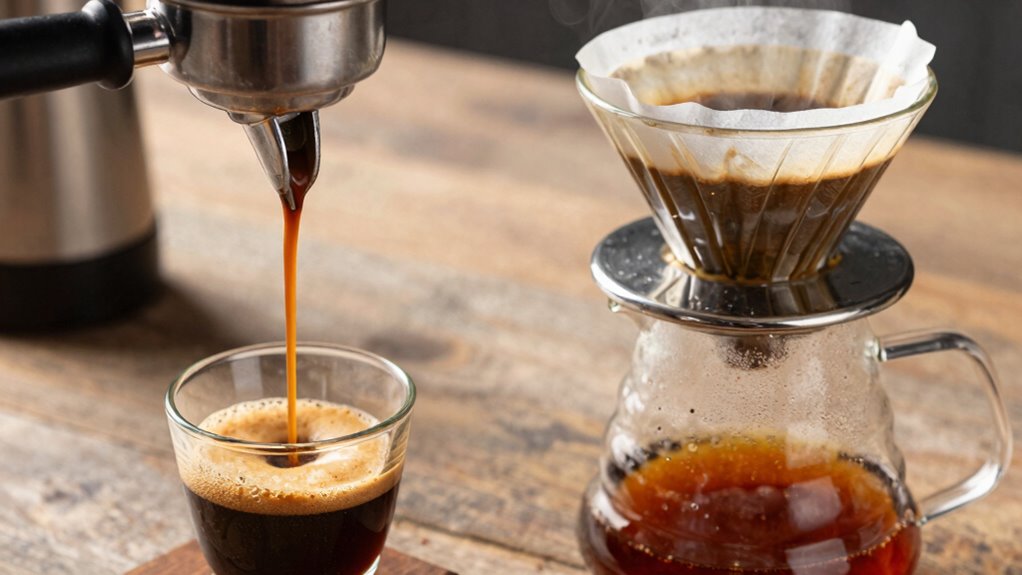
When it comes to brewing coffee, choosing between espresso and drip methods isn’t just about flavor—it’s also about environmental impact. Your decision can influence how much energy you use and how sustainable your coffee routine is. Espresso machines, especially high-end models, often rely on more energy because they need to heat water quickly at high pressure, which consumes a significant amount of electricity during operation. On the other hand, drip coffee makers tend to be simpler, with many designed to operate efficiently and with lower energy consumption. However, some larger, commercial drip machines can also draw substantial power, especially if they’re left on for extended periods.
Espresso machines often use more energy due to quick heating; drip brewers tend to be more efficient overall.
Sustainability practices play a big role in this comparison. For example, many espresso machines require frequent heating cycles, which can lead to higher energy use over time. If you’re conscious about your environmental footprint, you might opt for models with better energy efficiency or ones that have standby modes to reduce power when not in use. Conversely, drip coffee makers often have features like auto-shutoff and energy-saving modes that help minimize their impact. Using reusable filters and eco-friendly coffee grounds further enhances sustainability, regardless of your brewing method.
Another factor to consider is how each method impacts waste. Espresso shots typically involve single-use coffee pods or capsules, which can generate significant waste if not properly recycled. Some brands offer compostable or recyclable capsules, but many still end up in landfills, adding to environmental concerns. Proper disposal of waste is crucial in reducing your overall environmental impact. Drip coffee, especially when you use ground coffee and reusable filters, tends to produce less waste. You can also brew larger quantities at once, reducing the frequency of brewing and the associated waste and energy use.
In terms of sustainability practices, both methods can be eco-friendly if you choose carefully. Opt for energy-efficient appliances, consider models with good insulation, and be mindful of your brewing habits. For instance, making only as much coffee as you need prevents energy waste. Additionally, sourcing coffee beans responsibly—preferably certified organic or fair-trade—supports environmentally sustainable farming practices, which benefits the planet beyond the kitchen. Additionally, selecting energy-efficient appliances and practicing mindful brewing can further reduce your overall environmental impact.
energy-efficient espresso machine
As an affiliate, we earn on qualifying purchases.
As an affiliate, we earn on qualifying purchases.
Frequently Asked Questions
How Does Coffee Bean Origin Affect Environmental Impact?
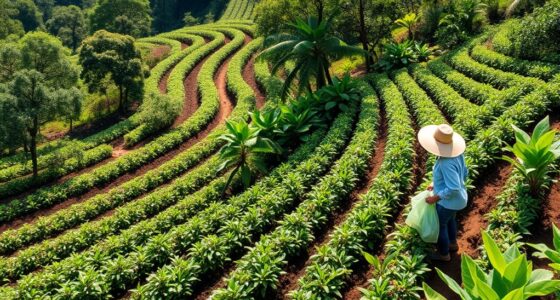
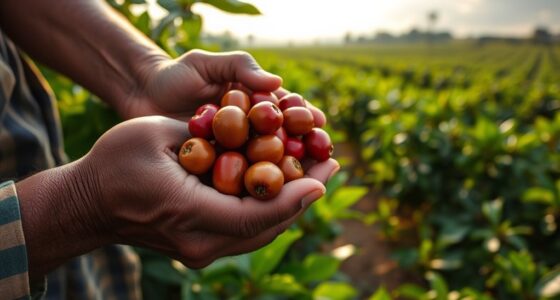
You’ll find that coffee bean origin considerably impacts environmental impact. Beans from regions with coffee certification and organic farming practices usually have a smaller footprint because they avoid harmful chemicals and promote sustainable methods. By choosing beans from such origins, you support eco-friendly agriculture, reduce chemical runoff, and conserve biodiversity. Your choices can make a real difference, encouraging better practices worldwide and helping protect ecosystems for future coffee lovers.
What Is the Water Usage per Cup for Each Brewing Method?
You use about 1-2 ounces of water for a shot of espresso, making it highly water-efficient, while drip coffee typically requires 12-20 ounces per cup. By choosing espresso, you conserve resources due to its lower water usage, supporting resource conservation. If you want to reduce your environmental footprint, prioritizing brewing methods with higher water efficiency helps minimize water waste and promotes sustainable coffee consumption.
Do Different Brewing Styles Produce More Waste?
Different brewing styles can produce varying amounts of waste. For example, espresso machines often generate packaging waste from coffee pods or capsules, which can be tricky to compost. Drip coffee makers typically use filters and grounds, which are more compostable if properly disposed of. You can reduce waste by choosing composting options for coffee grounds and reusable filters, making your brewing process more environmentally friendly.
How Do Energy Consumption Levels Compare?
You might think espresso uses more energy, but surprisingly, drip brewing often consumes more overall. Espresso machines heat quickly and brew in short bursts, making them efficient in brewing time, but drip machines run longer, especially if you brew multiple cups. This impacts brewing efficiency and energy consumption. While espresso emphasizes intense coffee flavor, drip brewing’s extended operation can lead to higher energy use, balancing out their environmental footprints.
Can Sustainable Practices Reduce the Footprint of Each Method?
Yes, sustainable practices can reduce the footprint of both brewing methods. You can use reusable filters to cut down on waste and choose coffee made from organic farming, which minimizes environmental impact. These small changes make a big difference, helping you enjoy your coffee while supporting eco-friendly practices. By being mindful of your choices, you actively reduce water use, energy consumption, and waste associated with your coffee routine.
Conclusion
So, as you sip your brew, remember that every cup leaves a mark—whether it’s the rich, concentrated shot of espresso or the steady pour of drip. While modern brewing might seem like wizardry, it’s not unlike the alchemists of old, turning beans into liquid gold. Choose wisely, knowing each style has its footprint, and your coffee ritual can be both satisfying and sustainable. After all, even in this caffeinated age, every drop counts.
Halloween Picks
halloween
As an affiliate, we earn on qualifying purchases.