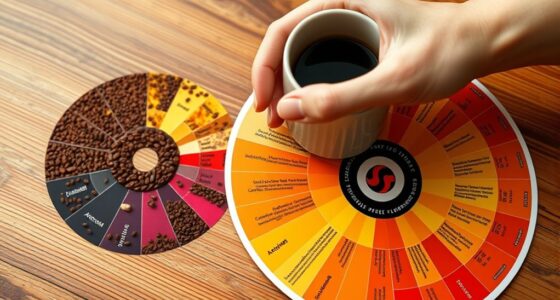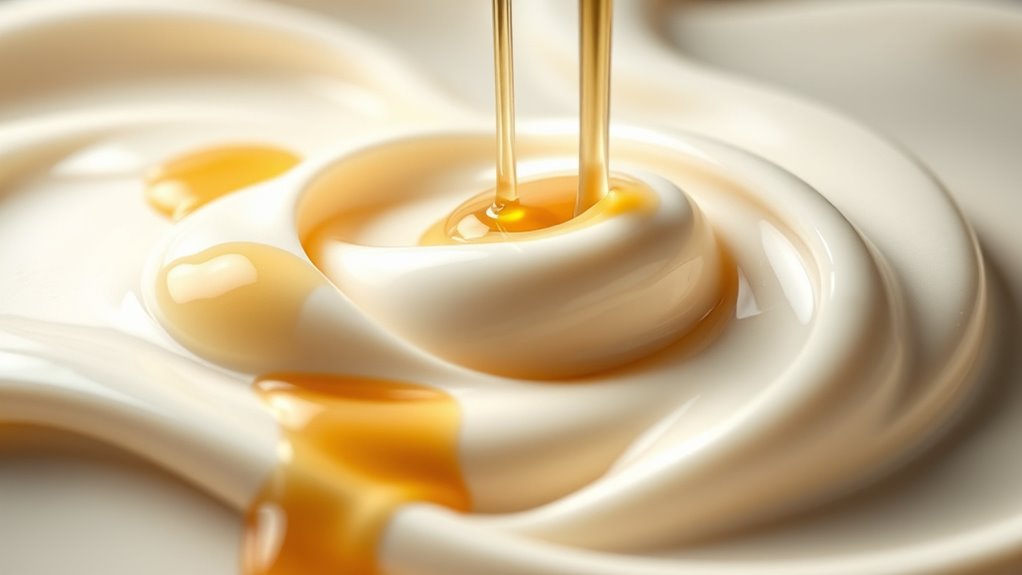

Body and mouthfeel are key to how you experience flavors, adding richness and texture to your tasting. Silk feels smooth and luxurious, emphasizing softness; syrup offers a viscous, sticky sensation that coats your palate, while cream provides a lush, full-bodied richness. These tactile qualities deepen your appreciation and make flavors more memorable. Exploring how each element influences your perception can turn a simple taste into a multisensory journey—keep going, and you’ll discover even more about these sensations.

Get coffee and tea gear delivered free with Prime
- Fast, free delivery on millions of items
- Prime Video, Amazon Music and more included
- Member-only deals all year
Key Takeaways
- Body and mouthfeel refer to the tactile sensations and fullness experienced when tasting beverages like silk, syrup, and cream.
- Silk offers a smooth, luxurious texture that emphasizes softness and delicacy in the mouth.
- Syrup provides a viscous, sticky mouthfeel that enhances sweetness and coats the palate.
- Cream delivers a lush, rounded richness, contributing to a full-bodied sensory experience.
- Recognizing these textures deepens appreciation of beverage craftsmanship and enhances multisensory enjoyment.
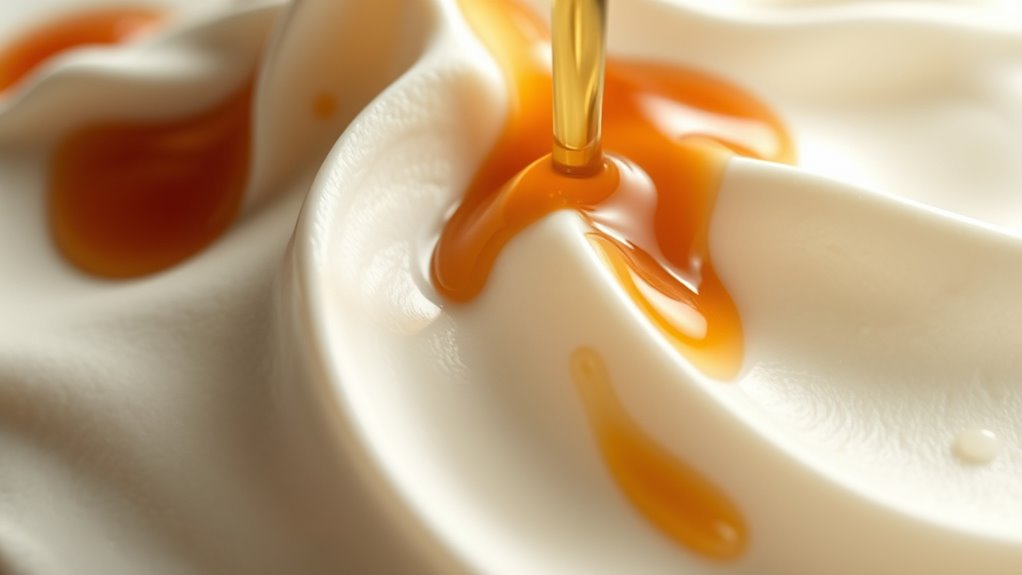
Understanding body and mouthfeel is essential to appreciating the full experience of a beverage or dish. When you sip a creamy latte or taste a rich syrup, you’re not just experiencing flavors—you’re also perceiving the texture, which plays a vital role in how you enjoy what you’re drinking or eating. Body refers to the weight and fullness of a beverage in your mouth, while mouthfeel describes the tactile sensations you experience during consumption. Recognizing how these elements interact helps you appreciate the complexity behind simple pleasures like silk, syrup, and cream.
One of the most striking aspects of mouthfeel is texture contrast. You might notice how a silky smooth custard contrasts with the slight graininess of crushed ice or how a thick syrup coats your palate differently from a frothy foam. These contrasts aren’t accidental; they’re deliberate tools used to heighten sensory perception. When you encounter such variations, your brain actively compares and interprets these tactile cues, enhancing your overall appreciation. The contrast in textures creates excitement and interest, inviting you to explore each sip or bite more deeply. For example, a rich, velvety cream in a dessert balances the sharper, more acidic notes of fruit, creating a harmonious sensory dance that elevates the whole experience.
Texture contrast heightens sensory perception, creating excitement and deepening appreciation through tactile variety and balance.
Your sensory perception is finely tuned to pick up on these subtle differences. When you taste silk, you’re experiencing a smooth, almost luxurious sensation that glides over your tongue, emphasizing softness and finesse. Syrups, on the other hand, introduce a sticky, viscous quality that clings to your palate, delivering sweetness with a slightly dense, syrupy mouthfeel. Creams add a lush, rounded richness that envelops your mouth, providing a full-bodied sensation that complements the flavors. Recognizing these textures allows you to appreciate the craftsmanship behind each component, as well as how they work together to create a balanced, engaging experience.
Understanding body and mouthfeel also involves appreciating how these tactile elements influence your overall perception of flavor. A thick, syrupy consistency can amplify sweetness, while a lighter, silk-like texture can make flavors seem more delicate and refined. When you pay attention to these details, you deepen your connection to the food or drink, transforming a simple tasting into a multisensory journey. Additionally, texture contrast plays a crucial role in elevating the sensory experience by adding layers of interest. Ultimately, embracing texture contrast and sharpening your sensory perception helps you savor each element, making your experience more vivid, memorable, and satisfying.
Frequently Asked Questions
How Does Temperature Affect Mouthfeel Perception?
Temperature greatly influences your sensory temperature and thermal perception, affecting how you perceive mouthfeel. When a beverage is warmer, it often feels richer and creamier, enhancing sensations like silkiness. Cooler drinks can seem lighter and more invigorating, emphasizing crispness. As you experience different temperatures, your thermal perception shifts, making textures feel more or less intense. Adjusting temperature allows you to control the mouthfeel and overall sensory experience, making each sip uniquely satisfying.
What Ingredients Contribute to a Silky Texture?
You notice that ingredients like gelatin and emulsifiers contribute to a silky texture, creating that smooth, mouth-coating sensation. Gelatin provides a soft, melt-in-your-mouth feel, while emulsifiers help blend fats and liquids seamlessly, enhancing the overall mouthfeel. The coincidence of these ingredients working together results in a luxurious, silk-like texture that elevates your tasting experience, making every bite feel rich and velvety.
Can Mouthfeel Influence Flavor Perception?
Yes, mouthfeel can profoundly influence flavor perception through texture perception and sensory integration. When you experience a creamy or silky sensation, it enhances how you perceive sweetness or richness, making flavors seem more intense or smooth. Your brain combines tactile cues with taste, so a pleasant mouthfeel can elevate overall flavor, while an unpleasant one may mask or diminish flavors, highlighting the importance of texture in culinary experiences.
How Do Different Liquids Vary in Body and Viscosity?
Different liquids vary in body and viscosity based on their liquid density and viscosity measurement. You’ll notice that thicker liquids, like syrups or creams, have higher viscosity, making them feel heavier and more substantial in your mouth. Thinner liquids, such as water or juice, have lower viscosity and feel lighter. These differences in viscosity directly influence how you perceive flavor and mouthfeel, shaping your overall sensory experience.
What Role Does Fat Content Play in Mouthfeel?
Imagine a velvet curtain draping over your senses—that’s what fat does to your mouthfeel. Higher fat percentages increase mouthfeel richness, making liquids feel creamier and more luxurious. It’s like adding layers of softness that coat your palate. Fat acts as a natural emollient, enhancing texture and giving you that full-bodied sensation. So, the more fat, the richer and more indulgent your experience becomes.
Conclusion
Now that you’ve explored the nuances of body and mouthfeel—from silky smooth to syrupy and creamy—do you feel inspired to seek out those textures in your next sip or bite? Remember, these sensations can elevate your experience, turning everyday drinks and foods into indulgent delights. So, why not pay closer attention and savor the rich, tactile journey each flavor offers? After all, isn’t life meant to be enjoyed with all your senses?
Halloween Picks
halloween
As an affiliate, we earn on qualifying purchases.