

To find natural sweetness in black coffee, start by choosing high-quality Arabica beans grown at high altitudes, which tend to have sweeter notes. Use proper brewing techniques like pour-over with precise temperature control and medium grind to enhance extraction. Adjust brewing time to balance flavor without bitterness. These steps help unveil the beans’ inherent sweetness and complexity. Keep exploring these factors to discover how small changes can bring out more natural sweetness in your cup.
Key Takeaways
- Select high-altitude Arabica beans with cultivar traits that naturally emphasize sweetness.
- Use precise brewing techniques like pour-over with proper grind size and temperature control.
- Brew at slightly higher temperatures to extract more natural sugars and oils.
- Extend brewing time carefully to enhance sweetness without causing bitterness.
- Focus on bean origin and processing methods to ensure inherent flavor nuances are preserved.

Have you ever wondered if black coffee can taste sweet without added sugar? The answer is yes, and it often depends on the intricate interplay of cultivar nuances and brewing techniques. When you explore different coffee cultivars, you’ll notice that some naturally possess a hint of sweetness in their flavor profile. These nuances are shaped by the specific variety of coffee bean, the region where it’s grown, and the elevation at which it’s cultivated. For example, certain Arabica beans from high-altitude farms tend to develop more complex, sweeter notes compared to their lower-altitude counterparts. Recognizing these subtle differences can help you select beans that inherently carry a sweeter taste, making your black coffee experience richer and more satisfying.
Beyond the beans themselves, brewing techniques play a vital role in revealing the natural sweetness within your coffee. The way you prepare your brew influences how these cultivar nuances are extracted and perceived. For instance, a slow pour-over method allows water to gently interact with the coffee grounds, highlighting delicate flavors and sweet notes. Using a brewing device with precise temperature control guarantees ideal extraction, preventing over-extraction that can lead to bitterness or under-extraction that mutes the beans’ inherent sweetness. Even grind size matters; a medium grind often strikes the right balance, allowing for a full-bodied yet nuanced flavor profile that accentuates any sweet undertones. Proper extraction techniques are essential for unlocking the full potential of your beans’ natural sweetness.
Brewing techniques like pour-over and precise temperature control enhance natural coffee sweetness.
Temperature is another key factor. Hotter water tends to extract more of the coffee’s oils and sugars, often enhancing the perceived sweetness. Conversely, brewing at slightly lower temperatures can emphasize the more subtle, floral, or fruity sweetness in your beans. Experimenting with different brewing times can also make a difference—longer extraction may draw out more sweetness, but it risks introducing bitterness if overdone. The goal is to find that perfect point where the beans’ natural nuances shine through without overpowering other flavor elements.
In essence, discovering sweetness in black coffee is about understanding and leveraging the unique qualities of your beans while refining your brewing approach. When you pay attention to cultivar nuances and carefully choose your brewing techniques, you give yourself the best chance to enjoy a naturally sweet, complex cup without any added sugar. It’s a journey of tasting and adjusting, and once you start to recognize how these factors influence flavor, you’ll find that black coffee can indeed be sweet in its purest form.
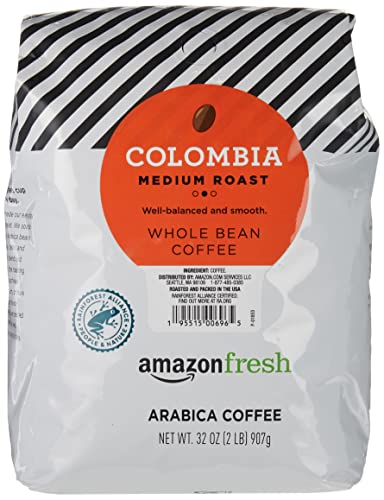
Amazon Fresh, Colombia Whole Bean Coffee Medium Roast, 32 Oz
- Roast Level: Medium roast with smooth finish
- Package Size: 32-ounce whole bean bag
- Coffee Type: 100% Arabica Colombian coffee
As an affiliate, we earn on qualifying purchases.
As an affiliate, we earn on qualifying purchases.
Frequently Asked Questions
Can Adding Milk or Sugar Enhance the Sweetness of Black Coffee?
Adding milk or sugar can definitely enhance the sweetness of black coffee. Milk addition softens the coffee’s bitterness, creating a smoother, sweeter taste. Sugar enhancement directly increases perceived sweetness, making the coffee more palatable if you prefer a sweeter profile. Experiment with small amounts to find your perfect balance. Remember, even a little milk or sugar can transform your coffee experience, making it more enjoyable and tailored to your taste buds.
Which Coffee Bean Origin Naturally Has the Sweetest Flavor Profile?
Ever wondered which coffee bean origin naturally offers the sweetest flavor profile? You’ll find that beans from Ethiopia, especially those from Sidamo or Yirgacheffe regions, boast a vibrant, fruity sweetness that shines through in your cup. The bean origin deeply influences flavor, and Ethiopian beans are renowned for their naturally sweet, floral, and citrus notes. So, next time you seek sweetness without additives, choose Ethiopian beans for a delightful, naturally sweet experience.
How Does Brewing Temperature Affect Perceived Sweetness in Black Coffee?
You’ll find that brew temperature directly influences flavor perception and perceived sweetness in black coffee. When you brew at a slightly lower temperature, around 195-205°F, the coffee’s natural sweetness becomes more pronounced because it extracts fewer bitter compounds. Conversely, higher temperatures can intensify bitterness and mask sweetness. Adjusting your brew temperature helps you highlight the subtle, sweet notes in your coffee, making for a more balanced and enjoyable cup.
Are There Specific Roasting Levels That Bring Out More Sweetness?
Think of roast profiles as musical compositions—light roasts are like lively, intricate melodies, revealing bright, fruity sweetness, while medium roasts blend harmony, emphasizing caramel and chocolate notes. Dark roasts, akin to a deep bass line, can sometimes overshadow delicate flavors. For ideal flavor development, aim for medium roasts, which balance sweetness and complexity, unearth more nuanced sweetness without sacrificing the vibrant character of the beans.
Does the Age or Freshness of Coffee Beans Impact Sweetness?
Yes, the freshness of your coffee beans substantially impacts their sweetness. Proper coffee bean storage keeps beans fresh, preserving their natural sugars and flavors. As beans age, they lose volatile compounds, making the coffee taste flatter and less sweet. To enjoy maximum sweetness, use fresh beans and store them in a cool, airtight container away from light. Freshness vs. age truly makes a difference in your coffee’s sweetness.
Conclusion
Next time you sip your black coffee, remember how a simple pinch of luck—or maybe just your keen taste buds—can uncover unexpected sweetness. Sometimes, the tiniest coincidence, like a perfect brew timing or a fresh bean, transforms bitterness into delight. So, stay curious and attentive; you might just stumble upon that hidden sweetness when you least expect it. After all, life—and coffee—often rewards those who keep an open mind.