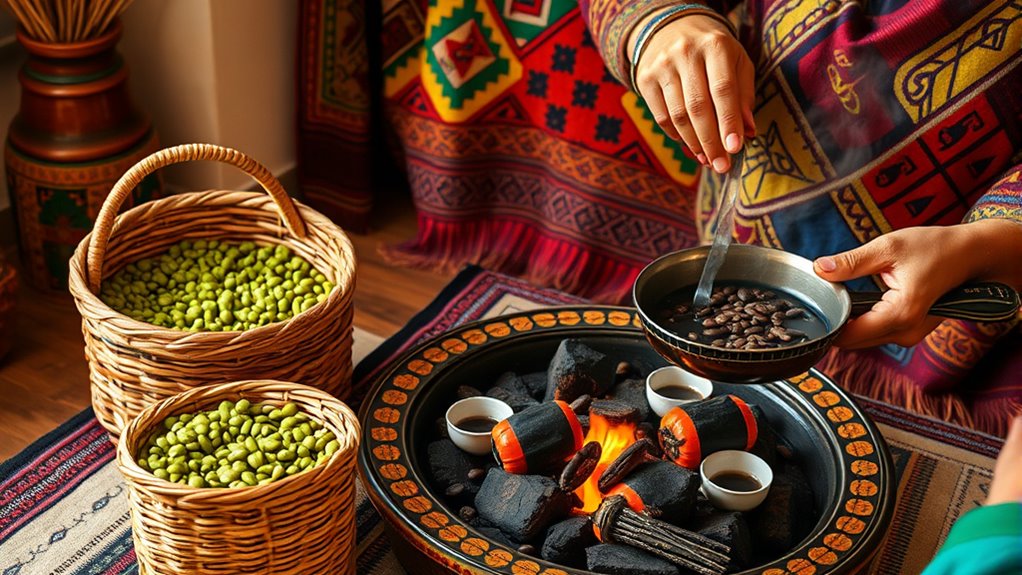

The Ethiopian coffee ceremony is a meaningful social ritual that involves roasting fresh coffee beans over an open flame, grinding them manually, and brewing in a traditional clay pot called a jebena. You’ll experience slow brewing that enhances aroma and flavor, served in small cups with sugar or spices. This process fosters connection, respect, and warmth among participants, emphasizing patience and community. If you explore further, you’ll uncover even deeper cultural significance and tradition in each step.
Key Takeaways
- The Ethiopian coffee ceremony is a social ritual symbolizing hospitality, respect, and community bonding.
- Coffee beans are freshly roasted, ground manually, and brewed slowly in a traditional clay pot called a jebena.
- The process emphasizes patience, attention to detail, and preserves rich flavors and aromas through slow brewing.
- The ceremony unfolds in three rounds, fostering storytelling, small talk, and strengthening social bonds.
- Participating in the ceremony reflects cultural heritage, emphasizing connection, respect, and the importance of shared tradition.
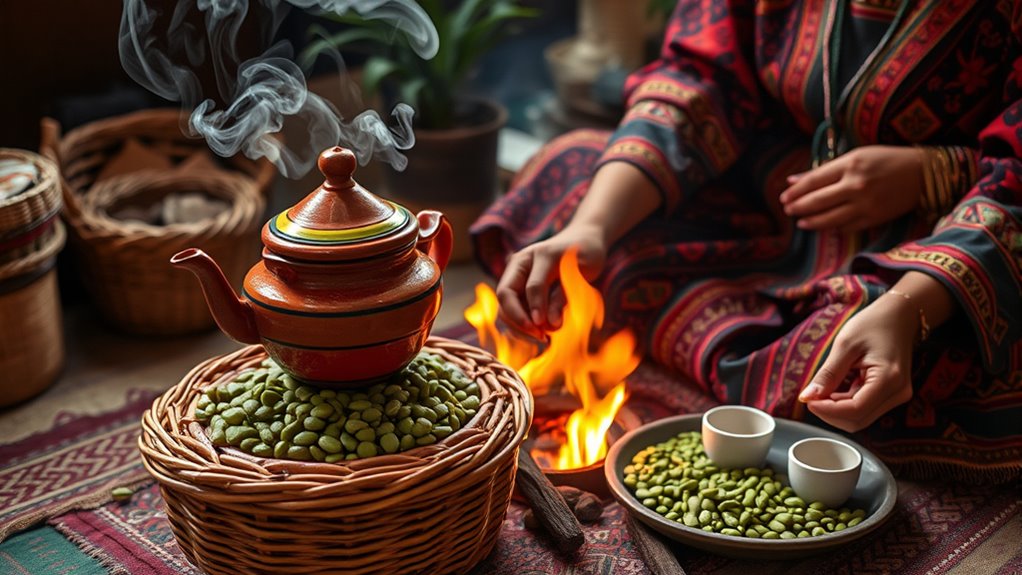
Have you ever experienced the rich tradition of Ethiopia’s coffee ceremony? If not, you’re missing out on a vibrant cultural ritual that goes beyond just drinking coffee. The ceremony is an integral part of Ethiopian social life, embodying hospitality, respect, and community. It’s a slow, deliberate process that reveals a deep appreciation for coffee’s history and brewing techniques. Coffee in Ethiopia isn’t just a beverage; it’s a story steeped in centuries of tradition, dating back to the legendary Queen of Sheba and the legendary discovery by a goat herder named Kaldi. This history influences how the coffee is prepared and enjoyed today.
Experience Ethiopia’s coffee ceremony—an age-old tradition of hospitality, community, and rich brewing artistry.
When you participate in an Ethiopian coffee ceremony, you’ll notice the emphasis on the brewing techniques. Coffee beans are freshly roasted in a pan over an open flame, filling the air with a tantalizing aroma. You’re encouraged to observe, smell, and even participate in the roasting process, which is an essential step. Once roasted to a rich, dark color, the beans are ground using a mortar and pestle—this manual grinding adds to the ceremony’s tactile and communal feel. The ground coffee is then brewed in a jebena, a traditional clay pot that’s designed specifically for this purpose. The brewing technique involves boiling water and pouring it over the coffee grounds, allowing the mixture to simmer gently. This slow brewing process extracts the coffee’s complex flavors and essential oils, resulting in a strong, aromatic brew. Additionally, the freshly roasted coffee beans play a crucial role in ensuring the rich flavor and aroma of the final brew. The entire process is an act of patience and respect, emphasizing the importance of taking time to connect with others. As the coffee brews, small talk and stories flow naturally, reinforcing bonds and honoring tradition. The host carefully pours the coffee into small cups called finjal, often adding sugar or spices like cardamom according to preference. Drinking the coffee is more than just quenching thirst; it’s an experience that symbolizes friendship, warmth, and hospitality. The ceremony typically unfolds in three rounds, each with its own significance, and is accompanied by conversations that may span hours.
Participating in an Ethiopian coffee ceremony gives you a glimpse into a culture that values ritual and community as much as the coffee itself. It’s a reminder that brewing techniques and coffee history aren’t just about making a drink—they’re about creating a moment of connection and shared experience. So, next time you encounter Ethiopian coffee, remember it’s more than just a beverage; it’s a tradition steeped in centuries of meaning.

Ethiopian Rekebot Coffee Tray Set 12 Inch Round Table Top – Traditional Habesha Coffee Ceremony Tray with 6 Cup and Small Mat Included – MDF Wooden Serving Tray (Coffee Set Bundle)
ETHIOPIAN COFFEE CEREMONY TRAY: Traditional rekebot designed for authentic Ethiopian coffee ceremonies, adding cultural elegance to your serving…
As an affiliate, we earn on qualifying purchases.
As an affiliate, we earn on qualifying purchases.
Frequently Asked Questions
What Are the Traditional Utensils Used in the Ceremony?
You’ll use traditional coffee equipment like a jebena, a small clay pot, to brew the coffee. Ceremonial implements include a long-handled tray for serving, small cups called finjan, and a coffee stirrer. These utensils are essential for the ritual, symbolizing hospitality and respect. The jebena’s unique design enhances the aroma, making the experience more meaningful. Using these implements shows reverence for Ethiopian coffee traditions.
How Long Does the Entire Coffee Preparation Process Take?
Imagine you’re stepping into a scene from the 19th century, yet you’re about to experience an Ethiopian coffee ceremony today. The entire process typically takes about 1 to 2 hours, depending on the ceremony’s depth and social setting. The coffee duration is usually around 15-20 minutes, but the ceremony timing includes roasting, brewing, and socializing, making it a meaningful, leisurely event that celebrates community and tradition.
Are There Specific Times or Occasions for Performing the Ceremony?
You perform the Ethiopian Coffee Ceremony during various social occasions, reflecting its cultural significance. It’s common to host the ceremony when welcoming guests, celebrating special events, or marking important milestones. This ritual fosters community and hospitality, making it an essential part of Ethiopian culture. You’ll find it happening regularly in homes and gatherings, emphasizing connection and tradition through the warm, aromatic coffee experience.
What Are the Symbolic Meanings Behind Each Step?
Ever wonder why each step holds deep meaning? You see, the symbolic rituals in the Ethiopian coffee ceremony reflect respect, community, and hospitality. The roasting symbolizes warmth and friendship, while the brewing signifies patience and tradition. Serving the coffee represents sharing and unity, and the final toast honors gratitude. These steps carry immense cultural significance, reminding you of the importance of connection and tradition in Ethiopian life.
How Has the Ceremony Evolved With Modern Influences?
You see that modern rituals and global influences have transformed the Ethiopian Coffee Ceremony, blending traditional elements with contemporary practices. Today, you might find cafes offering curated coffee experiences inspired by the ceremony or incorporating new flavors and tools. While preserving its cultural significance, these adaptations make the ceremony more accessible and relevant worldwide, allowing you to connect with Ethiopian heritage while embracing a more globalized coffee culture.
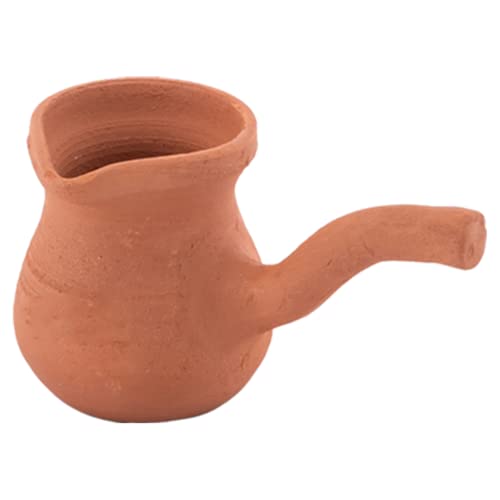
Handmade Clay Turkish Coffee Pot, Terracotta Coffee Maker, Earthen Cezve with Clay Handle, Jezve Ibrik Briki Suitable for the Stovetop (Small 3.2 in)
LEAD-FREE & UNGLAZED: These authentic ceramic coffee pots are made of whole natural unglazed terracotta. Espresso pots are…
As an affiliate, we earn on qualifying purchases.
As an affiliate, we earn on qualifying purchases.
Conclusion
As you participate in the Ethiopian coffee ceremony, remember it’s more than just brewing coffee—it’s a deep cultural tradition fostering community and respect. Some believe the ceremony’s origins date back to ancient Ethiopia, symbolizing hospitality and unity. While evidence supports this, recent studies suggest the practice also serves social bonding and stress relief. Embracing this tradition, you connect with a rich history, appreciating how such rituals preserve identity and foster meaningful relationships.

Bekith Mortar and Pestle Sets 18/8 Brushed Stainless Steel Spice Grinder Pill Crusher Molcajete Herb Bowl
Durable and Stable: Food grade 18/8 stainless steel construction, no mercury, no residual taste, durable and rustproof. Padding…
As an affiliate, we earn on qualifying purchases.
As an affiliate, we earn on qualifying purchases.

Otantik Home Asala Collection Arabic Coffee Cups with Holder, Bone China Porcelain, Set of 6 Finjals with Elegant Stand, Traditional Serving Set for Home and Gatherings (Beige & Silver)
Premium Bone China Porcelain: Made from high-quality porcelain for a refined look, durability, and a luxurious coffee-drinking experience.
As an affiliate, we earn on qualifying purchases.
As an affiliate, we earn on qualifying purchases.